 PDRN Care
PDRN for Desk Workers: Fighting Dull, Tired Office Skin
Dr. Sarah Chen
PhD, Molecular Biology
The Office Is Quietly Aging Your Skin
You don't have to work outdoors to accumulate skin stress. A typical office day stacks several low-grade aggressors on top of each other for eight hours, and the effect on your complexion is real even if no single factor feels dramatic.
- Bone-dry air. Central heating and air conditioning strip humidity out of indoor air, sometimes to desert-like levels. Low ambient humidity accelerates transepidermal water loss, so skin gets progressively more dehydrated over the day — tight, dull, and prone to accentuated fine lines [2].
- Screen light and stillness. Hours of focused screen time mean less blinking (dry, tired eyes) and long stretches of a fixed, slightly frowning expression that reinforces expression lines. Prolonged sitting also slows circulation and lymphatic flow, which can leave the face looking flat and slightly puffy.
- Fluorescent lighting and stale air. Indoor environments aren't UV-free, and poor ventilation plus recirculated particulates add a mild oxidative burden over time [2].
- Stress and skipped basics. Deadlines drive cortisol up and water intake down; the vending-machine lunch and the third coffee don't help either. Chronic low-grade stress is independently unkind to the skin barrier.
None of this is catastrophic on any single day. But repeated five days a week, it produces the classic "office complexion": dehydrated, dull, a little congested, and tired-looking around the eyes.
Why PDRN Suits Office Skin
PDRN (polydeoxyribonucleotide) is a regenerative ingredient that happens to target the exact systems a desk day depletes [1][3]:
- It rehydrates from within. PDRN stimulates fibroblasts to produce more glycosaminoglycans such as hyaluronic acid, which bind water in the dermis. That addresses the deep dehydration dry office air causes, not just the surface [3].
- It calms low-grade inflammation. Through the adenosine A2A receptor, PDRN dampens pro-inflammatory signalling, helping settle the dull, reactive quality of stressed, tired skin [1].
- It supports repair and radiance. By improving fibroblast activity, microcirculation, and cell turnover, PDRN helps restore the "bounce" and glow that a sedentary, low-humidity day flattens [4].
- It's gentle enough for daily use. PDRN is non-sensitising, so it won't add to the barrier stress your environment is already causing.
Think of PDRN as the maintenance layer that keeps a nine-to-five from slowly wearing your skin down.
A Realistic Desk-Worker Routine
You don't need a ten-step ritual. The goal is to build resilience in the morning, top up hydration during the day, and repair at night.
Morning (before you leave):
- Cleanse gently and apply a hydrating PDRN serum to slightly damp skin to lock in water for the day ahead.
- Seal with a moisturiser suited to your skin type.
- Finish with broad-spectrum SPF — indoor light and window-side desks still expose you to UVA.
At your desk (the two-minute midday reset):
- Keep a PDRN hydrating mist in a drawer and spritz over the day to counter dry AC air and refresh a flat-looking complexion.
- Keep a small water bottle in view; a dehydrated body shows on the face first.
- Every hour or so, look away from the screen (the 20-20-20 rule) and take a few deep breaths — it helps your eyes and gives your expression muscles a break.
- If you can, a short walk at lunch restores circulation that eight hours of sitting suppresses.
Evening (repair):
- Double cleanse if you wore SPF and makeup, to fully clear the day's residue.
- Apply a PDRN serum to support overnight repair — this is when skin does most of its regeneration.
- Layer a richer moisturiser to rebuild the barrier that dry office air chipped away at.
- A couple of nights a week, a PDRN sheet mask or overnight mask gives a deeper hydration boost.
Small Habits That Multiply the Effect
Topicals work best alongside the environmental basics:
- Add humidity. A small desk humidifier meaningfully reduces how much water your skin loses to dry indoor air [2].
- Position your screen. Slightly below eye level reduces eye strain and the squint that deepens expression lines.
- Hydrate and snack smart. Water and antioxidant-rich foods (fruit, nuts, greens) support the skin repair PDRN stimulates.
- Move on the hour. Even standing and stretching restarts the circulation and lymphatic flow that keep the face from looking puffy and grey.
The Bottom Line
Desk work doesn't damage skin the way sun or smoking does, but its steady drip of dry air, screen strain, stillness, and stress adds up to a dehydrated, dull, tired complexion over time. PDRN is well matched to all of it: it deeply hydrates, calms low-grade inflammation, and supports the repair and radiance that a sedentary day flattens [1][3][4]. Pair a simple PDRN routine with a midday mist, a desk humidifier, water, and a lunchtime walk, and your skin can leave the office looking a lot better than the office treats it.
References
- [1]Squadrito F, Bitto A, Irrera N, et al.. Pharmacological Activity and Clinical Use of PDRN. Curr Pharm Des. 2017;23(27):3948-3957. doi:10.2174/1381612823666170516153716
- [2]Goh CL, Chuah SY, Tan S. Effect of indoor and outdoor environmental factors on skin barrier function. J Clin Aesthet Dermatol. 2018;11(5):42-48. PMID:29785235
- [3]Colangelo MT, Galli C, Giannelli M. Polydeoxyribonucleotide: A Promising Biological Platform for Dermal Regeneration. Curr Pharm Des. 2020;26(17):2049-2056. doi:10.2174/1381612826666200116150912
- [4]Kim TH, Kim JY, Bae JH, et al.. Biostimulatory effects of polydeoxyribonucleotide for facial skin rejuvenation. J Cosmet Dermatol. 2019;18(6):1767-1773. doi:10.1111/jocd.12958
Recommended Products

DIVE-IN Low Molecular PDRN Serum
Torriden
Lightweight hydrating PDRN serum built around Torriden's signature 5D low-molecular hyaluronic acid complex for deep, layered hydration.
$22–30

PDRN Jelly Mist Serum
Medicube
Dual-texture glow spray with Pink PDRN collagen, niacinamide, glutathione, and ceramide for instant hydration and plump skin.
$28–35
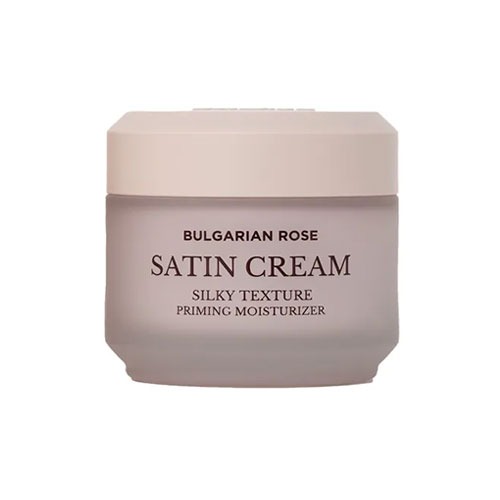
Bulgarian Rose PDRN Glow Serum
Heimish
Brightening PDRN serum pairing salmon polydeoxyribonucleotide with Bulgarian rose water and niacinamide for a radiant, even-toned complexion.
$22–30
Related Posts
PDRN and Blue Light Damage: Protecting Your Skin from Screen Exposure
Blue light (HEV) from screens generates oxidative stress, accelerates pigmentation, and may contribute to premature aging. PDRN's DNA repair and anti-inflammatory mechanisms offer a biological defense. Here's what the evidence says and how to protect your skin in a screen-heavy world.
PDRN for Stressed Skin: How Cortisol Damages Your Skin and How to Repair It
Chronic psychological stress elevates cortisol levels that directly degrade collagen, impair skin barrier function, trigger inflammation, and accelerate visible aging. PDRN counteracts stress-induced skin damage through A2A receptor activation, anti-inflammatory signaling, and fibroblast stimulation. Here is a complete protocol for high-stress periods and long-term skin resilience.
PDRN for Dry Skin: Deep Regeneration Meets Lasting Hydration
Dry skin needs more than surface moisture — it needs cellular repair that restores the barrier from within. PDRN's regenerative properties address the root causes of chronic dryness by stimulating fibroblast activity, supporting barrier repair, and reducing inflammation. Learn how to build a PDRN routine optimized for dry skin.