 PDRN Care
PDRN Ingredient Interactions: What to Combine and What to Avoid
Dr. Sarah Chen
PhD, Molecular Biology
One of PDRN's greatest practical advantages is its compatibility with other skincare ingredients. Because PDRN works through the A2A adenosine receptor pathway and nucleotide salvage — mechanisms that are distinct from how most other actives operate — it can be paired with nearly everything in your routine without conflict [1][2].
But "compatible" and "optimal" are not the same thing. The order you apply ingredients, the time between layers, and which combinations to use morning versus evening all affect how well PDRN and its partner ingredients perform. This guide covers every major pairing.
The Golden Rule: PDRN's Mechanism Does Not Compete
Before diving into specific pairings, understand why PDRN is so broadly compatible. Most ingredient conflicts arise when two products compete for the same receptor, destabilize each other's pH, or create irritation through overlapping pathways. PDRN avoids all three:
- Unique receptor target: PDRN's primary mechanism is A2A adenosine receptor activation [1]. No common skincare ingredient targets this receptor, so there is no competition.
- Neutral pH range: PDRN is stable and effective at skin-normal pH (5-7). It does not require the extreme low pH of vitamin C or the specific formulation conditions of retinol [2].
- Non-irritating: PDRN is anti-inflammatory by nature. Rather than adding irritation (like retinol or AHAs), it actively reduces it — which makes it a buffer that can improve tolerance of other actives [1][3].
Excellent Combinations
PDRN + Niacinamide
Compatibility: Excellent — one of the best pairings in skincare
Niacinamide (vitamin B3) and PDRN work through completely independent mechanisms and complement each other perfectly. Niacinamide regulates sebum production, strengthens the skin barrier, reduces hyperpigmentation, and minimizes pores. PDRN stimulates collagen production, reduces inflammation, and supports DNA repair.
How to layer: Apply in either order — both are water-based and lightweight. Most people apply whichever product has a thinner consistency first.
When to use: Both morning and evening. Neither causes photosensitivity.
Why it works: Niacinamide addresses surface-level concerns (oil, pores, pigmentation) while PDRN addresses deeper cellular repair. Together they cover more anti-aging and skin-health pathways than either alone.
PDRN + Hyaluronic Acid
Compatibility: Excellent
Hyaluronic acid is a humectant that draws water into the skin. PDRN is a regenerative molecule that activates cellular repair. They address different needs and their mechanisms are completely unrelated.
How to layer: Apply hyaluronic acid first on damp skin (it needs water to work effectively), then apply PDRN serum on top. The hyaluronic acid creates a hydrated environment that may actually improve PDRN absorption.
When to use: Both morning and evening.
Product note: Many PDRN products already contain hyaluronic acid in their formulations, so you may not need to layer them separately. Check your product's ingredient list.
PDRN + Peptides
Compatibility: Excellent
Peptides are short chains of amino acids that act as signaling molecules for various skin functions — collagen production, wound healing, muscle relaxation. PDRN works through DNA-level signaling (A2A receptor + nucleotide salvage) while peptides work through protein-level signaling. The two approaches are complementary [1][6].
How to layer: Apply PDRN first (smaller molecules), then peptide serum or cream. If your peptide product is a heavier cream, it goes last.
When to use: Both morning and evening.
Product example: The Medicube PDRN Pink Peptide Serum combines both ingredients in a single product.
PDRN + Centella Asiatica (Cica)
Compatibility: Excellent
Centella's triterpenoid compounds (asiaticoside, madecassoside) stimulate collagen through TGF-beta signaling and provide anti-inflammatory benefits through NF-kB suppression — a completely different pathway from PDRN's A2A receptor mechanism. Using both gives you dual-pathway collagen stimulation and dual-pathway inflammation reduction.
How to layer: Apply PDRN serum first, then cica cream or serum.
When to use: Both morning and evening. Especially effective for post-procedure or irritated skin.
Product example: The Beplain Cica PDRN Cream combines both in one formula.
PDRN + Ceramides
Compatibility: Excellent
Ceramides are lipid molecules that form the skin barrier. PDRN supports barrier repair from the cellular level (DNA repair, cell regeneration); ceramides reinforce the barrier physically. This inside-out plus outside-in approach is highly effective for compromised or dehydrated skin.
How to layer: PDRN serum first, then ceramide moisturizer on top to seal everything in.
When to use: Both morning and evening.
Good Combinations (With Timing Notes)
PDRN + Retinol / Retinoids
Compatibility: Good — PDRN actually helps with retinol tolerance
Retinol drives cell turnover and collagen production through retinoid receptor signaling, but it commonly causes dryness, peeling, and irritation. PDRN's anti-inflammatory properties through A2A receptor activation can help mitigate retinol's side effects [1][3].
How to layer: Apply PDRN serum first, let it absorb for 1-2 minutes, then apply retinol. PDRN creates a calmer cellular environment that may reduce the irritation response to retinol.
When to use: Evening only (retinol is photosensitizing). You can use PDRN alone in the morning.
Pro tip: If you are introducing retinol for the first time, start using PDRN for 2-3 weeks first to build up its anti-inflammatory protection before adding retinol. Products like the Innisfree Retinol PDRN Ampoule combine both ingredients in a pre-balanced formula.
PDRN + Vitamin C (L-Ascorbic Acid)
Compatibility: Good — just mind the application order
Vitamin C is a potent antioxidant that requires a low pH (around 3.5) for optimal absorption. PDRN is stable across a wider pH range. The two do not destabilize each other, but applying them in the right order ensures both work at their best.
How to layer: Apply vitamin C serum first on clean skin (it needs the low pH environment of bare skin). Wait 1-2 minutes for it to absorb and the skin's pH to normalize. Then apply PDRN serum.
When to use: Morning is ideal — vitamin C provides antioxidant protection against daytime environmental stress, and PDRN provides regenerative support. The Dear Klairs Vitamin PDRN Serum combines both ingredients.
Note: If your vitamin C serum stings or causes redness, PDRN applied afterward can help calm the reaction.
PDRN + AHAs (Glycolic Acid, Lactic Acid, Mandelic Acid)
Compatibility: Good — separate by a few minutes
AHAs are exfoliants that work at low pH to dissolve dead skin cells and stimulate cell turnover. PDRN does not interfere with this process, and the fresh, exfoliated skin may actually absorb PDRN more effectively.
How to layer: Apply AHA first, wait 2-3 minutes for it to work and absorb, then apply PDRN. The brief wait allows the AHA to do its job at low pH before you layer on the neutral-pH PDRN.
When to use: Evening preferred. If you use AHAs at higher concentrations, limit to 2-3 times per week. PDRN can be used daily regardless.
Benefit: PDRN's anti-inflammatory and reparative properties help skin recover from the controlled stress of AHA exfoliation [1][7].
PDRN + BHAs (Salicylic Acid)
Compatibility: Good
BHA penetrates oil and exfoliates inside pores. PDRN repairs and regenerates from within. They target different skin functions through different mechanisms.
How to layer: Apply BHA first, wait 1-2 minutes, then PDRN.
When to use: BHA can be used morning or evening; pair with PDRN at the same time.
Combinations That Need Careful Timing
PDRN + Benzoyl Peroxide
Compatibility: Acceptable — but alternate or separate
Benzoyl peroxide is a strong oxidizing agent that kills acne-causing bacteria. While it is unlikely to directly deactivate PDRN when both are applied to the skin, the oxidizing environment is not ideal for DNA fragment stability. Additionally, benzoyl peroxide is drying and irritating, which somewhat works against PDRN's reparative goals.
How to manage: Use benzoyl peroxide as a spot treatment, let it dry completely, then apply PDRN to the rest of your face. Or use benzoyl peroxide in the morning and PDRN in the evening (or vice versa).
Better alternative: If you are using benzoyl peroxide for acne, consider switching to a BHA + PDRN combination, which addresses acne without the oxidation and drying concerns.
PDRN + Strong Chemical Peels
Compatibility: Separate by 24-48 hours
Professional-grade chemical peels (high-concentration glycolic, TCA peels) create significant controlled damage to the skin. Applying any active — including PDRN — to freshly peeled skin can cause stinging and may not be well-absorbed due to the disrupted barrier.
How to manage: After a professional peel, wait until the initial redness and sensitivity subsides (usually 24-48 hours) before resuming PDRN. Once you resume, PDRN's regenerative properties can actually support faster recovery from the peel [4][7].
PDRN After Microneedling
Compatibility: Use with professional guidance
Microneedling creates micro-channels in the skin that dramatically increase product absorption. While PDRN is used in professional settings alongside microneedling treatments, home use of PDRN immediately after microneedling should follow your practitioner's specific instructions.
General guideline: Wait at least 6-12 hours after microneedling before applying topical PDRN, unless your dermatologist specifically advises otherwise. The micro-channels need time to close to prevent potential irritation from other ingredients in the product formula.
For detailed guidance, read our PDRN microneedling guide.
Application Order Cheat Sheet
For a routine that includes multiple actives with PDRN, follow this general order (thinnest to thickest, lowest pH to highest):
Morning
- Cleanser
- Vitamin C serum (if using) — wait 1-2 min
- PDRN serum
- Niacinamide serum (if separate from PDRN)
- Hyaluronic acid (if separate)
- Moisturizer
- Sunscreen
Evening
- Double cleanse
- AHA or BHA (if using) — wait 2-3 min
- PDRN serum
- Retinol (if using) — after PDRN absorbs
- Peptide serum (if using)
- Moisturizer or sleeping mask
Key principle: PDRN goes on relatively early in the routine — after water-based treatments and pH-dependent actives, but before heavier serums, creams, and occlusives. It needs access to skin cell receptors to work, so avoid burying it under layers of product [1][2].
Ingredients That Are Redundant (Not Harmful) with PDRN
PDRN + PN (Polynucleotide)
PN is the broader category of nucleotide polymers that includes PDRN. Using a PDRN product and a separate PN product is not harmful, but it is likely redundant — you are doubling up on similar mechanisms. Choose one or the other.
PDRN + Salmon DNA / Salmon Sperm Extract
Same issue. "Salmon DNA" is often a less purified form of PDRN or PN. Using both is unlikely to cause problems but also unlikely to provide additional benefits beyond what PDRN alone delivers.
The Bottom Line
PDRN is one of the most versatile active ingredients in terms of compatibility. Its unique mechanism of action (A2A receptor + nucleotide salvage) means it rarely competes with other actives. The main considerations are:
- Apply pH-dependent actives first (vitamin C, AHAs) and let them work before layering PDRN
- PDRN goes before heavier products — it needs to reach cell receptors
- PDRN can buffer irritating actives — use it alongside retinol to reduce irritation
- Avoid strong oxidizers (benzoyl peroxide) in direct contact with PDRN
- Wait after procedures (peels, microneedling) before resuming PDRN
When in doubt, PDRN can almost certainly be added to your current routine. Its anti-inflammatory nature means it is more likely to make your other products work better, not worse.
References
- [1]Squadrito F, Bitto A, Irrera N, et al.. Pharmacological Activity and Clinical Use of PDRN. Curr Pharm Des. 2017;23(27):3948-3957. doi:10.2174/1381612823666170516153716
- [2]Colangelo MT, Galli C, Giannelli M. Polydeoxyribonucleotide: A Promising Biological Platform for Dermal Regeneration. Curr Pharm Des. 2020;26(17):2049-2056. doi:10.2174/1381612826666200210100726
- [3]Bitto A, Polito F, Irrera N, et al.. Polydeoxyribonucleotide reduces cytokine production and the severity of collagen-induced arthritis by stimulation of adenosine A2A receptor. Arthritis Res Ther. 2011;13(1):R28. doi:10.1186/ar3254
- [4]Galeano M, Bitto A, Altavilla D, et al.. Polydeoxyribonucleotide stimulates angiogenesis and wound healing in the genetically diabetic mouse. Wound Repair Regen. 2008;16(2):208-217. doi:10.1111/j.1524-475X.2008.00361.x
- [5]Kim TH, Kim JY, Bae JH, et al.. Biostimulatory effects of polydeoxyribonucleotide for facial skin rejuvenation. J Cosmet Dermatol. 2019;18(6):1767-1773. doi:10.1111/jocd.12958
- [6]Veronesi F, Dallari D, Sabbioni G, et al.. Polydeoxyribonucleotides (PDRNs): From Physical Chemistry to Biological Activities and Clinical Applications. Int J Mol Sci. 2017;18(9):1927. doi:10.3390/ijms18091927
- [7]Shin J, Park G, Lee J, Bae H. The Effect of Polydeoxyribonucleotide on Chronic Non-Healing Wounds. Arch Plast Surg. 2018;45(6):514-520. doi:10.5999/aps.2018.00547
Recommended Products

5 PDRN Collagen Intense Vitalizing Serum
COSRX
Multi-PDRN formula with 5 types of PDRN from salmon, centella, rice, lactobacillus, and sea grapes plus low-molecular collagen.
$30–40
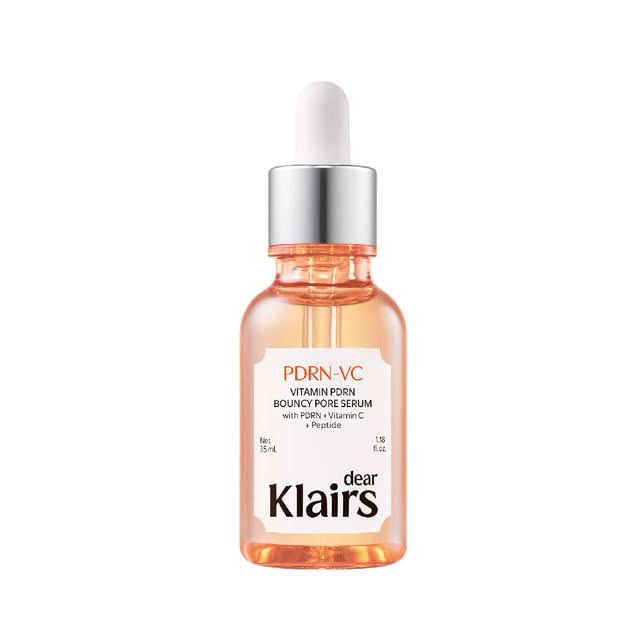
Vitamin PDRN Bouncy Pore Serum
Dear, Klairs
Vitamin-enriched PDRN serum targeting enlarged pores with a bouncy, lightweight texture.
$17–24
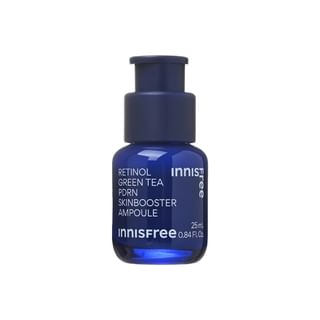
Retinol Green Tea PDRN Skin Booster Ampoule
innisfree
Green tea-powered retinol ampoule with PDRN for gentle yet effective anti-aging and skin renewal.
$28–42
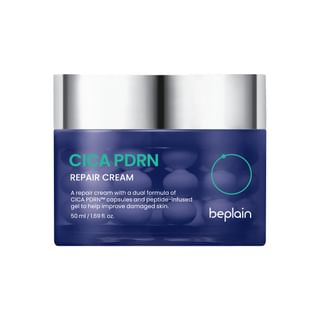
Cica PDRN Repair Cream
beplain
Minimalist cica cream with PDRN for sensitive skin repair, redness relief, and barrier restoration.
$20–28
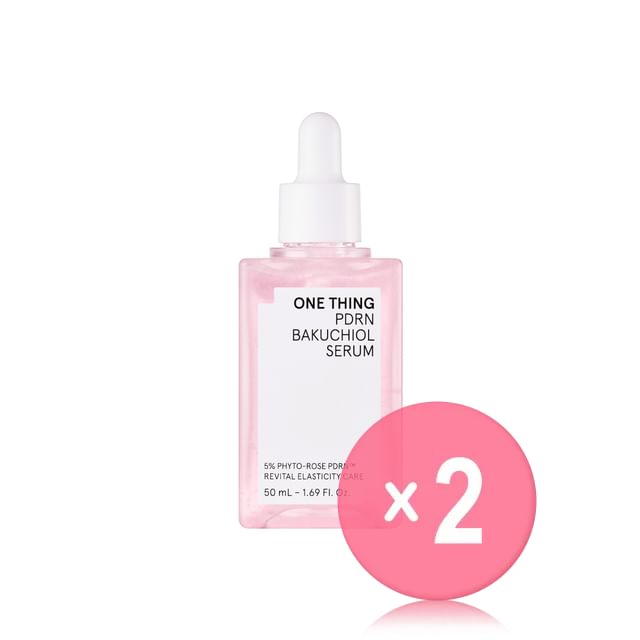
PDRN Bakuchiol Serum
ONE THING
Retinol-alternative serum pairing plant-based bakuchiol with PDRN for gentle yet effective anti-aging.
$18–24
Related Posts
How to Build a PDRN Skincare Routine: Morning & Night Guide
A step-by-step guide to building an effective PDRN skincare routine. Learn where PDRN fits in your morning and evening regimen, how to layer it with other actives, and which products to pair it with.
What is PDRN? The Complete Guide to Salmon DNA Skincare
PDRN (Polydeoxyribonucleotide) is a DNA-derived skincare ingredient extracted from salmon. Learn what PDRN means, how it works, its benefits for skin, and the different product types available.
PDRN and Hyaluronic Acid: Why This Combination Works So Well
PDRN rebuilds skin from the inside while hyaluronic acid hydrates from the outside. Learn how to layer these two ingredients for maximum benefit, which products combine them, and why the pairing makes scientific sense.