 PDRN Care
PDRN Seasonal Skincare Guide: How to Adapt Your Routine Year-Round
Dr. Sarah Chen
PhD, Molecular Biology
Why Your PDRN Routine Needs Seasonal Adjustment
Most skincare advice treats your routine as a static set of products and steps that you lock in and repeat indefinitely. In practice, this approach leaves results on the table. Environmental conditions — temperature, humidity, UV intensity, wind exposure, allergen load — shift dramatically across seasons, and each of these factors directly affects how your skin functions and how PDRN performs on it .
Temperature and humidity alter the skin's barrier function, sebum production, and transepidermal water loss (TEWL) in measurable ways. In cold, dry winter air, TEWL can increase by 10-25% compared to summer, while sebum production drops significantly . In high summer humidity, the barrier is more hydrated but excess sebum and sweat can interfere with product absorption. UV intensity — the single most important environmental factor for skin aging — varies by a factor of 5-10x between winter and summer at temperate latitudes , fundamentally changing the balance between damage and repair that your routine must manage.
PDRN's mechanism of action does not change with the seasons. It activates adenosine A2A receptors, stimulates fibroblast proliferation, supplies nucleotide building blocks, and reduces inflammation regardless of whether it is January or July . But the delivery vehicle, the layering context, the frequency of application, and the complementary ingredients that surround PDRN in your routine all need to adapt to ensure that the active ingredient reaches the dermis effectively and that the skin environment supports its biological activity.
This guide breaks down the specific adjustments your PDRN routine needs for each season, covering product format swaps, layering order changes, frequency modifications, and storage considerations.
Spring: Transition, Repair, and Allergen Defense
Spring is a transitional season — your skin is emerging from the drier, thicker state of winter into a period of increasing humidity, UV intensity, and allergen exposure. The key priorities are barrier repair from winter damage, gradual lightening of product textures, and managing the skin reactivity that spring allergens can trigger.
What happens to your skin in spring
- Barrier recovery. Winter leaves the stratum corneum depleted of ceramides and natural moisturizing factors. Spring's increasing humidity begins to normalize TEWL, but the barrier is still compromised and vulnerable to irritation .
- Increased allergen exposure. Pollen and other airborne allergens trigger low-grade inflammatory responses in the skin, even in people without diagnosed allergies. This inflammation upregulates MMPs and can counteract the collagen-building effects of PDRN if left unmanaged.
- Rising UV intensity. UV levels increase sharply from March through May. Many people underestimate spring UV because the temperatures are still moderate, leading to unprotected exposure that causes cumulative photodamage .
- Sebum production begins to increase. As temperatures warm, sebaceous glands become more active. The heavy creams and balms of winter may start to feel too occlusive.
PDRN routine adjustments for spring
Product format shift: Begin transitioning from winter's rich PDRN creams to lighter textures. A gel-cream hybrid or a lightweight PDRN lotion for morning use, while keeping your richer PDRN cream for evenings only. This is not an abrupt swap — phase it over 2-3 weeks as temperatures stabilize. If mornings are still cold, keep the cream; shift to the lighter format only when daytime temperatures consistently stay above 15C (60F).
Layering order: Introduce or reintroduce a dedicated antioxidant serum (vitamin C) between cleansing and PDRN application in the morning. As UV exposure increases, the photoprotective synergy between vitamin C and sunscreen becomes more important. PDRN stimulates repair, vitamin C prevents damage — together they shift the balance toward net collagen gain even as UV pressure rises .
PDRN format pick for spring: A lightweight PDRN serum like Torriden Dive-In PDRN Serum works well for morning application — hydrating without heaviness, absorbing quickly, and layering well under sunscreen. For evening, maintain your winter ampoule or cream to continue supporting barrier recovery.
Address allergen-related inflammation: If you notice increased redness, itching, or sensitivity during high-pollen days, PDRN's anti-inflammatory properties through A2A receptor activation become therapeutically relevant . Consider adding a PDRN mist like Anua PDRN Hydrating Mist for midday reapplication — it delivers a fresh dose of anti-inflammatory nucleotides over sunscreen without disrupting your makeup or UV protection layer.
Sunscreen upgrade: If you were using SPF 30 in winter (some people reduce SPF in low-UV months), move to SPF 50+ broad-spectrum starting in March. Do not wait for summer — the UV index in April and May at most latitudes is high enough to cause significant photodamage, and spring sun is deceptive because it feels mild.
Spring evening routine
Your spring evening routine can begin to simplify compared to winter. Drop the ultra-rich sleeping mask frequency from 4-5 nights per week down to 2-3. On other nights, a PDRN ampoule sealed with a medium-weight night cream provides adequate overnight repair without the heaviness that increasingly warm nighttime temperatures make uncomfortable.
Summer: UV Defense, Lightweight Delivery, and Smart Application
Summer presents the most challenging environment for any skincare routine. High UV intensity drives aggressive collagen degradation through MMP upregulation, while heat and humidity change the way products sit on the skin and penetrate the epidermis . Your PDRN routine must shift decisively toward damage prevention in the morning and targeted repair in the evening.
What happens to your skin in summer
- Maximum UV damage. UV radiation is the primary external driver of collagen loss. Summer UV intensity can be 5-10x higher than winter levels, causing direct DNA damage to keratinocytes and fibroblasts, generating reactive oxygen species (ROS), and upregulating MMPs that degrade existing collagen .
- Increased sebum and sweat. Higher temperatures stimulate sebaceous glands and eccrine sweat glands. Product absorption patterns change: water-based products penetrate faster, while occlusive creams can trap heat and cause miliaria (heat rash) or exacerbate acne.
- Higher humidity helps the barrier. The good news: ambient humidity reduces TEWL and helps maintain stratum corneum hydration naturally . Less barrier support is needed from your products, freeing up space in your routine.
- Chlorine and salt water exposure. Swimming introduces barrier-stripping chemicals (chlorine) or dehydrating salt that can compromise PDRN delivery if not properly managed.
PDRN routine adjustments for summer
Product format shift: Move fully to lightweight, aqueous PDRN formats for daytime. Serums and essences absorb quickly, do not contribute to greasiness or sunscreen disruption, and deliver PDRN effectively into skin that is already well-hydrated by ambient humidity . Save creams and masks entirely for evening use — and even then, opt for lighter gel-cream textures rather than rich balms unless you live in a dry-climate summer (desert, high altitude).
Morning routine streamlining: In summer, fewer layers is better for the morning. A simplified morning routine for summer looks like this:
- Gentle water-based cleanser (or just water if your skin is not oily)
- Lightweight PDRN serum or essence
- SPF 50+ sunscreen (generously applied, reapplied every 2 hours during outdoor exposure)
The PDRN serum step can replace both your hydrating toner and your serum step from other seasons — the skin does not need the extensive hydration layering that colder, drier weather demands. Let the PDRN serum absorb for 1-2 minutes, then apply sunscreen directly over it.
PDRN format pick for summer: Torriden Dive-In PDRN Serum excels in summer — its lightweight, watery texture absorbs completely and layers invisibly under sunscreen. For an even lighter option, a PDRN toner like Numbuzin No.9 PDRN Toner applied in 2-3 layers provides hydration and nucleotide delivery without any residue.
Midday PDRN reapplication: Summer is the season where a PDRN mist earns its place in your routine. After sunscreen reapplication (which should happen every 2 hours during outdoor exposure), a spritz of Anua PDRN Hydrating Mist delivers refreshing hydration and a supplemental dose of PDRN to counteract the accelerated UV-driven collagen degradation happening throughout the day .
Evening repair focus: Summer evenings are critical for PDRN because this is when you repair the UV damage accumulated during the day. After thorough double cleansing (essential to remove sweat, sunscreen, and environmental pollutants), apply your most concentrated PDRN ampoule or serum. The A2A receptor activation from PDRN directly counteracts UV-induced inflammation, while the nucleotide supply supports the DNA repair processes fibroblasts activate in response to UV damage .
Retinoid caution: Many dermatologists recommend reducing retinoid use in summer — not because retinoids cause sun sensitivity per se (they do not absorb UV), but because the increased photosensitivity from accelerated cell turnover, combined with higher UV exposure, increases the risk of post-inflammatory hyperpigmentation if sunscreen discipline lapses. If you continue retinoids in summer, reduce frequency to 1-2 nights per week and be absolutely rigorous with sun protection. PDRN can partially compensate for reduced retinoid frequency by maintaining fibroblast stimulation through the A2A pathway .
Summer evening routine
- Double cleanse (oil cleanser + gentle gel cleanser)
- Lightweight hydrating toner (1-2 layers)
- PDRN ampoule or concentrated serum (3-4 drops, pressed in)
- Lightweight gel-cream moisturizer
- PDRN sleeping mask 1-2 nights per week (optional, skip in very humid climates)
Fall: Recovery, Rebuilding, and Gradual Intensification
Fall is the repair season — the time to assess and recover from summer's UV damage while gradually rebuilding the intensity of your routine ahead of winter. Many dermatologists consider fall the optimal season for aggressive anti-aging intervention because UV levels are declining (reducing the damage-versus-repair imbalance), temperatures are still moderate (the barrier has not yet been challenged by cold and dry air), and the skin is ready for stronger actives.
What happens to your skin in fall
- Cumulative summer damage manifests. The photodamage from summer does not always appear immediately — hyperpigmentation, fine lines from collagen degradation, and textural roughness from impaired cell turnover often become visible in September and October .
- Decreasing humidity. Ambient moisture begins to drop, and TEWL starts to increase. The barrier needs gradually increasing support from occlusive products .
- Temperature fluctuations. Fall's variable weather — warm afternoons, cool mornings — can trigger barrier stress as the skin adapts to temperature swings.
- Lower UV intensity. Declining UV levels create an opportunity: you can introduce or increase photosensitizing actives (retinoids, AHAs) with less risk than in summer.
PDRN routine adjustments for fall
Product format shift: Begin transitioning back to richer PDRN formats. Replace your lightweight summer PDRN serum with a gel-cream for mornings by mid-fall, and reintroduce your richer PDRN night cream for evenings. The exact timing depends on your climate — in warmer regions, this shift may not happen until November; in northern climates, start in September.
Reintroduce or increase retinoids: Fall is the ideal time to restart or increase retinoid use. Lower UV levels reduce the risk of photosensitivity complications, and the retinoid-PDRN combination is the most effective topical strategy for repairing summer's collagen damage . Increase retinoid frequency from summer's 1-2 nights to 3-4 nights per week over a 4-week period, always followed by a PDRN ampoule or serum to deliver nucleotide substrates and reduce retinoid-induced irritation through A2A receptor activation.
Targeted repair treatments: Consider scheduling professional PDRN treatments (skin boosters, microneedling with PDRN) in fall. The reduced UV exposure minimizes post-procedure hyperpigmentation risk, and the professional PDRN delivery accelerates the repair of summer's deeper collagen damage that topical products alone address too slowly .
Address hyperpigmentation: If summer left you with sun spots or uneven tone, fall is the time to address them. PDRN's anti-inflammatory properties support the use of pigment-targeting actives like niacinamide, alpha arbutin, and tranexamic acid by calming the inflammatory triggers that can worsen hyperpigmentation. Layer these actives before your PDRN step to allow direct skin contact, then apply PDRN over them — the nucleotides support the cellular repair processes that clear pigment while the anti-inflammatory effect prevents new melanin overproduction.
PDRN format pick for fall: Abib PDRN Overnight Mask is ideal for fall evenings — it provides the increasing occlusion your skin needs as humidity drops while delivering sustained PDRN release during the overnight repair window. Use 3-4 nights per week, alternating with a medium-weight PDRN cream on other nights.
Fall evening routine
- Double cleanse
- Hydrating toner (2-3 layers as humidity drops)
- Retinoid (3-4 nights per week)
- Wait 15-20 minutes
- PDRN ampoule (3-4 drops)
- Peptide serum
- PDRN sleeping mask or medium-weight night cream
Winter: Maximum Barrier Support and Deep Repair
Winter is the most demanding season for your skin barrier. Cold outdoor temperatures, dry heated indoor air, and wind exposure create an environment of chronic moisture loss that can undermine PDRN's effectiveness if the barrier is not adequately supported . Your winter PDRN strategy should focus on maximum hydration, rich occlusive delivery, and protecting the barrier integrity that PDRN needs to function.
What happens to your skin in winter
- Dramatically increased TEWL. Cold air holds less moisture, and heated indoor air has humidity levels as low as 20-30% — well below the 40-60% range optimal for skin barrier function. TEWL can increase by 25% or more, leading to chronic dehydration of the stratum corneum .
- Reduced sebum production. Cold temperatures slow sebaceous gland activity, removing the natural lipid film that helps trap moisture. Skin that is oily in summer may become normal or even dry in winter.
- Barrier dysfunction cascade. Chronic dehydration and reduced sebum trigger a cascade: the lipid bilayer of the stratum corneum becomes disordered, intercellular ceramides are depleted, TEWL increases further, and low-grade inflammation develops as a result of barrier compromise . This inflammation upregulates MMPs and can counteract the collagen-building effects of PDRN.
- Reduced UV exposure. Lower UV intensity does reduce one source of collagen damage, but it does not eliminate it — UVA radiation penetrates clouds and windows, and snow reflection can increase UV exposure significantly at higher altitudes or latitudes.
PDRN routine adjustments for winter
Product format shift: Move fully to rich, emollient PDRN formats for both morning and evening. Cream-based PDRN products should replace serums as your primary delivery vehicle because the emulsion format provides three critical benefits in winter: occlusion that reduces TEWL, emollient lipids that fill gaps in the depleted lipid barrier, and sustained-release delivery that keeps PDRN in contact with the skin longer . Light, watery serums evaporate too quickly in dry winter air and can actually worsen dehydration if they pull moisture from the skin without an occlusive seal.
Layer aggressively: Winter is the season for maximum layering — the approach that feels excessive in summer is exactly right for winter. A comprehensive winter PDRN layering strategy looks like this:
- Hydrating toner (3-4 layers)
- Hydrating essence or lightweight PDRN serum
- PDRN cream (generous application)
- Occlusive barrier cream or sleeping mask
Each layer adds to the cumulative hydration and creates a progressively denser moisture barrier. Apply each layer to damp skin — never let your skin dry between steps, as dry skin absorbs subsequent layers less effectively.
PDRN format pick for winter: A rich PDRN cream provides the combination of nucleotide delivery and barrier support that winter skin needs most. For an intensive treatment, apply a PDRN sleeping mask like Abib PDRN Overnight Mask 4-5 nights per week. The extended overnight contact with a thick occlusive layer maximizes PDRN delivery into a dermis that would otherwise be compromised by barrier dysfunction.
Increase hydrating toner layers: If you use 1-2 layers of hydrating toner in summer, use 3-4 in winter. Each layer adds hygroscopic molecules (hyaluronic acid, glycerin, beta-glucan) to the stratum corneum that attract and hold water. A PDRN toner like Numbuzin No.9 PDRN Toner delivers nucleotides alongside hydration in these essential base layers.
Humidifier strategy: Run a humidifier in your bedroom to maintain 40-50% relative humidity during sleep. This single environmental modification can reduce overnight TEWL by 15-20%, directly improving the conditions for PDRN's overnight activity . Your skin care products work in the context of their environment — if the air is pulling moisture out of your skin at the same rate you are putting it in, even the best routine produces diminished results.
Maximize retinoid-PDRN synergy: Winter's lower UV levels make this the optimal season for maximum retinoid use. If you tolerate it, retinoid application 4-5 nights per week combined with PDRN's anti-inflammatory A2A receptor activation provides the strongest possible collagen-stimulating protocol . The key is barrier management: retinoids can exacerbate winter barrier dysfunction if the surrounding routine does not provide adequate hydration and occlusion. Always apply PDRN cream or mask over retinoid, and ensure the hydrating toner base layers are in place before retinoid application.
Winter morning routine
- Cream cleanser or micellar water (no foaming cleansers)
- Hydrating toner (3-4 layers on damp skin)
- Vitamin C serum (antioxidant protection — UVA still penetrates in winter)
- PDRN cream (generous application to face, neck, hands)
- Occlusive moisturizer (if PDRN cream alone is not rich enough)
- SPF 50+ (yes, even in winter — UVA does not take a season off)
Winter evening routine
- Double cleanse (balm cleanser + cream cleanser)
- Hydrating toner (3-4 layers)
- Retinoid (4-5 nights per week if tolerated)
- Wait 15-20 minutes
- PDRN ampoule (concentrated evening dose)
- Peptide serum
- Rich PDRN night cream or PDRN sleeping mask
- Lip balm and hand cream (extremities need extra protection)
PDRN Storage Across Seasons
Environmental conditions affect PDRN product stability as well as your skin. Proper storage ensures the nucleotide fragments remain active and effective throughout their shelf life. For comprehensive storage guidance, see our PDRN storage and shelf life guide.
Temperature considerations
- Heat sensitivity. Most PDRN products should be stored below 25C (77F). In summer, if your bathroom regularly exceeds this temperature, move PDRN products to a cooler location — a bedroom drawer, a skincare fridge, or any consistently cool, dark space. Do not store PDRN products in direct sunlight or in a car.
- Cold tolerance. PDRN products can generally be stored at refrigerator temperatures (4-8C) without degradation, and many users prefer the cooling sensation of a chilled PDRN serum, particularly in summer. However, do not freeze PDRN products — ice crystal formation can denature the nucleotide fragments and destroy efficacy.
- Temperature cycling. Avoid repeated exposure to temperature swings (e.g., moving products between a hot bathroom and a cold bedroom daily). Consistent storage temperature is more important than any specific temperature within the acceptable range.
Humidity and packaging
- High humidity. In humid summer climates, ensure PDRN products in jars are sealed tightly after each use. Moisture ingress can promote microbial growth and degrade preservative systems. Pump and dropper bottles are preferable to open jars in humid environments.
- Dry winter air. Low humidity does not typically affect product stability, but it can cause water-based PDRN products to thicken slightly over time as surface evaporation occurs. If a PDRN serum becomes noticeably thicker, it is still effective — the concentration of active ingredients has not changed.
Travel considerations
When traveling between climate zones, your PDRN products may experience conditions very different from your home storage. Use insulated pouches for air travel (cargo holds can reach near-freezing temperatures), and bring travel-sized PDRN products that you can use within 2-3 weeks rather than exposing your full-sized bottles to variable conditions.
Seasonal Product Rotation Summary
| Product Format | Spring | Summer | Fall | Winter |
|---|---|---|---|---|
| PDRN Toner | 2 layers AM/PM | 1-2 layers AM/PM | 2-3 layers AM/PM | 3-4 layers AM/PM |
| PDRN Serum | AM primary | AM + midday mist | AM transitional | Supporting layer |
| PDRN Cream | PM only | PM only (gel-cream) | AM + PM by late fall | AM + PM primary |
| PDRN Sleeping Mask | 2-3x/week PM | 1-2x/week PM | 3-4x/week PM | 4-5x/week PM |
| PDRN Mist | As needed | Midday essential | As needed | As needed |
| Retinoid Frequency | 3x/week | 1-2x/week | 3-4x/week | 4-5x/week |
Climate-Specific Adjustments
The seasonal framework above assumes a temperate four-season climate. If you live in a different climate zone, adapt accordingly.
Tropical and subtropical climates
In consistently hot, humid environments, follow the summer protocol year-round with minor adjustments for any cooler months. Lightweight PDRN serums and essences are your primary formats. Focus on oil control, sunscreen discipline, and evening repair. The barrier requires less occlusive support because humidity prevents excessive TEWL, but UV damage is a year-round concern requiring consistent SPF 50+ and PDRN's reparative properties .
Arid and desert climates
Desert climates combine high UV intensity with low humidity — a challenging combination. Follow the summer UV protection strategy for sunscreen and PDRN repair, but use the winter barrier support strategy for hydration and occlusion. You may need PDRN creams year-round rather than seasonal serum-to-cream rotation. Humidifier use is beneficial in all seasons, not just winter.
Cold northern climates
Regions with extended winters (6-8 months of cold, dry conditions) should extend the winter protocol accordingly and compress the spring/summer transitions. Professional PDRN treatments are particularly valuable in these climates because the prolonged barrier stress of extended winters limits topical product efficacy — professional delivery bypasses the barrier entirely .
Common Seasonal Mistakes
Not adjusting at all
The most common mistake is running the same routine year-round. A rich PDRN cream that is essential in winter causes breakouts in summer. A lightweight PDRN serum that performs beautifully in humidity leaves skin dehydrated and tight in dry winter air. PDRN's mechanism of action is constant, but the delivery context must change .
Switching too abruptly
Transitioning from full winter protocol to full summer protocol overnight shocks the skin. Phase transitions over 2-3 weeks, swapping one product at a time. Start with the morning routine (where lighter textures are needed first as daytime temperatures warm) and adjust the evening routine 1-2 weeks later.
Dropping sunscreen in winter
UV radiation, particularly UVA, is present year-round. UVA penetrates clouds and glass, meaning indoor UV exposure near windows contributes to photoaging even in winter. Snow reflection can double UV exposure at ground level. Maintain SPF 50+ broad-spectrum sunscreen in every season — the collagen that PDRN helps you build is only preserved if you protect it from UV degradation .
Over-occluding in summer
Applying thick PDRN creams and sleeping masks in hot, humid weather does not deliver more PDRN — it traps heat, increases the risk of miliaria and folliculitis, and can actually impair PDRN absorption by creating a physical barrier too thick for the aqueous nucleotide fragments to penetrate efficiently. In summer, lighter is better: let the ambient humidity do the hydration work and focus your PDRN delivery through fast-absorbing aqueous formats .
Neglecting indoor climate
Central heating in winter and air conditioning in summer both create dry indoor environments that your skin spends most of its time in. Your routine should respond to the climate your skin actually experiences — which, for most people, is indoor climate for 80-90% of the day. A humidifier in winter and careful air-conditioning management in summer are skincare tools as important as any product. For more on managing your skin's environment alongside your PDRN routine, explore our guides on PDRN for dry skin and PDRN for skin barrier repair.
The Bottom Line
Seasonal adjustment is not about having four completely different routines. It is about understanding the three or four key variables that change with each season — humidity, UV intensity, temperature, allergen load — and making targeted modifications to your PDRN delivery format, layering density, retinoid frequency, and occlusion level. The core of your routine remains constant: PDRN for fibroblast stimulation, sunscreen for protection, and retinoid for collagen gene activation . The delivery context adapts.
Think of it as the same engine with different tires for different road conditions. The PDRN mechanism works year-round — your job is to give it the best conditions to do its work in every season.
For a complete breakdown of how to build your base PDRN routine before seasonal adjustments, see our PDRN skincare routine guide. For product-specific reviews to find the best PDRN formats for each season, explore our category guides for oily skin and dry skin.
References
- [1]Squadrito F, Bitto A, Irrera N, Pizzino G, Pallio G, Minutoli L, Altavilla D. Pharmacological Activity and Clinical Use of PDRN. Current Pharmaceutical Design. 2017;23(27):3948-3957. doi:10.2174/1381612823666170516153716
- [2]Engebretsen KA, Johansen JD, Kezic S, Linneberg A, Thyssen JP. The effect of environmental humidity and temperature on skin barrier function and dermatitis. Journal of the European Academy of Dermatology and Venereology. 2016;30(2):223-249. doi:10.1111/jdv.13301
- [3]Galeano M, Bitto A, Altavilla D, et al.. Polydeoxyribonucleotide stimulates angiogenesis and wound healing in the genetically diabetic mouse. Wound Repair and Regeneration. 2008;16(2):208-217. doi:10.1111/j.1524-475X.2008.00361.x
- [4]Colangelo MT, Galli C, Giannelli M. Polydeoxyribonucleotide: A Promising Biological Platform for Dermal Regeneration. Current Pharmaceutical Design. 2020;26(17):2049-2056. doi:10.2174/1381612826666200116154430
- [5]Matsumura Y, Ananthaswamy HN. Toxic effects of ultraviolet radiation on the skin. Toxicology and Applied Pharmacology. 2004;195(3):298-308. doi:10.1016/j.taap.2003.08.019
- [6]Rawlings AV, Harding CR. Moisturization and skin barrier function. Dermatologic Therapy. 2004;17(s1):43-48. doi:10.1111/j.1396-0296.2004.04S1005.x
Recommended Products

DIVE-IN Low Molecular PDRN Serum
Torriden
Lightweight hydrating PDRN serum built around Torriden's signature 5D low-molecular hyaluronic acid complex for deep, layered hydration.
$22–30
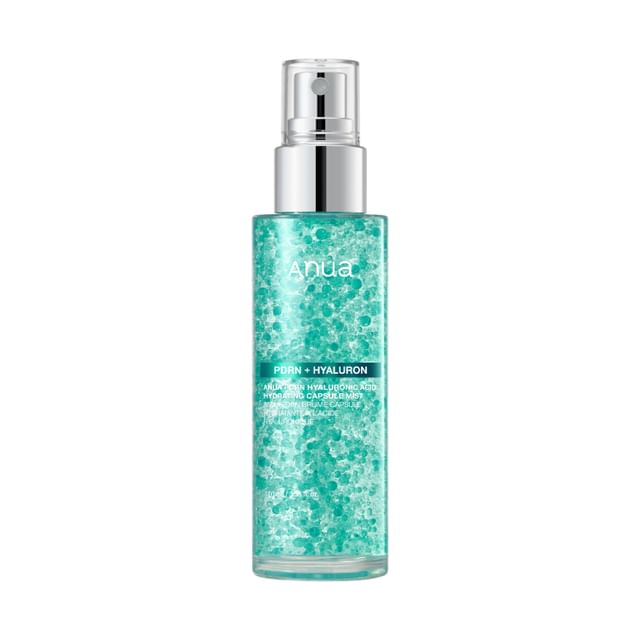
PDRN Hyaluronic Acid Hydrating Capsule Mist
Anua
Hydrating capsule mist with PDRN and hyaluronic acid for instant moisture boost throughout the day.
$19–26

PDRN Collagen Overnight Face Mask Firming Jelly
Abib
Overnight jelly mask with plant-based PDRN and 300Da low-molecular collagen for plumping and firming while you sleep.
$30–40

No.9 NAD+ PDRN Glow Boosting Toner
Numbuzin
Essence-like toner with 1,000 ppm pure salmon PDRN, NAD+, and 50 types of peptides for luminous radiance.
$22–30
Related Posts
How to Build a PDRN Skincare Routine: Morning & Night Guide
A step-by-step guide to building an effective PDRN skincare routine. Learn where PDRN fits in your morning and evening regimen, how to layer it with other actives, and which products to pair it with.
PDRN Product Storage and Shelf Life: How to Keep Your Products Effective
Does PDRN expire? How should you store PDRN serums and creams? Learn about PDRN product stability, optimal storage conditions, shelf life, and signs your product has gone bad.
PDRN for Dry Skin: Deep Regeneration Meets Lasting Hydration
Dry skin needs more than surface moisture — it needs cellular repair that restores the barrier from within. PDRN's regenerative properties address the root causes of chronic dryness by stimulating fibroblast activity, supporting barrier repair, and reducing inflammation. Learn how to build a PDRN routine optimized for dry skin.