 PDRN Care
The Best PDRN Skincare Routine for Your 50s: Age-Defying Results
Dr. Sarah Chen
PhD, Molecular Biology
Why Your 50s Require a Fundamentally Different PDRN Approach
Your 50s are not simply a continuation of your 40s routine with minor upgrades. The biology of your skin has shifted in ways that demand a fundamentally rethought strategy. By this decade, cumulative collagen loss typically exceeds 30% compared to age 25, and the rate of loss has not merely continued — it has accelerated . The fibroblasts that remain in your dermis are fewer in number, smaller in size, and significantly less responsive to the growth factor signals that once triggered robust collagen synthesis . In practical terms, the same PDRN stimulus that produced visible results in your 40s now requires augmentation, longer exposure times, and richer delivery vehicles to achieve equivalent biological effects.
The defining biological event of this decade for most women is the postmenopausal state. While perimenopause may have begun in your late 40s, by your early-to-mid 50s the estrogen decline is complete, and its impact on the skin is profound. Research has demonstrated that women lose approximately 30% of their skin collagen in the first five years following menopause, with continued decline of roughly 2.1% per year thereafter . This is not a subtle change — it is a dramatic remodeling of the dermis that manifests as visible thinning, loss of firmness, deepening wrinkles, increased fragility, and impaired wound healing. The skin becomes drier as sebaceous gland activity declines alongside estrogen, and the lipid barrier becomes less efficient at retaining moisture.
For men in their 50s, the changes are less abrupt but still significant. Testosterone continues its gradual decline, reducing dermal thickness and slowing cellular turnover. Cumulative photodamage reaches a tipping point where chronic UV exposure from earlier decades produces visible changes — solar elastosis, lentigines, and textural roughness — that overlay the intrinsic aging process.
PDRN remains uniquely valuable for 50s skin precisely because its mechanism of action bypasses the hormonal dependency that limits many other regenerative approaches. By activating adenosine A2A receptors on fibroblasts and supplying nucleotide building blocks through the salvage pathway, PDRN stimulates cellular repair and collagen synthesis through a pathway that functions independently of estrogen or testosterone signaling . This makes PDRN one of the few topical active ingredients that can directly address the fibroblast sluggishness that defines 50s skin without requiring hormonal support to be effective.
However, the strategy must change. Your 50s PDRN routine should emphasize richer delivery vehicles (creams and balms over lightweight serums), longer contact times (overnight masks, occlusive layering), higher concentrations, and regular professional treatments that deliver PDRN directly into the dermis at concentrations no topical product can achieve .
Understanding Menopausal Skin: The Science Behind the Shift
Before building your routine, it helps to understand exactly what menopause does to the skin — because each change informs a specific aspect of your PDRN strategy.
Collagen and elastin collapse
Estrogen is a direct regulator of collagen synthesis in the skin. It stimulates fibroblasts to produce type I and type III collagen through estrogen receptor-beta signaling, and it inhibits the matrix metalloproteinases (MMPs) that break collagen down . When estrogen levels fall, both sides of this equation shift against you: production drops while degradation increases. The result is accelerated net collagen loss that compounds the chronological decline already underway . Elastin fibers, which provide skin's snap-back resilience, also deteriorate — they fragment, calcify, and lose their elastic properties, contributing to sagging and loss of facial contour.
Barrier dysfunction and chronic dryness
Estrogen supports ceramide synthesis in the stratum corneum and maintains sebaceous gland activity. Without it, the lipid barrier thins, transepidermal water loss (TEWL) increases, and the skin becomes chronically dry — not merely "less hydrated" but fundamentally less capable of retaining moisture . This barrier dysfunction creates a cascade: increased TEWL triggers low-grade inflammation, which upregulates MMPs, which accelerates collagen degradation. Breaking this cycle is essential for any effective 50s routine.
Reduced microcirculation
Blood flow to the skin decreases with age, and the postmenopausal period accelerates this decline. Reduced microcirculation means less oxygen and fewer nutrients reaching the dermal fibroblasts, further limiting their ability to produce collagen even when stimulated. PDRN's documented ability to upregulate VEGF (vascular endothelial growth factor) and improve local angiogenesis is particularly relevant here — it helps restore the supply lines that keep fibroblasts functional .
Slower wound healing
The combination of reduced fibroblast activity, impaired microcirculation, and barrier dysfunction means that skin in the 50s heals more slowly from any insult — whether a professional treatment, a minor abrasion, or simple environmental irritation . This has practical implications for your routine: stronger active ingredients that would have been tolerated easily in your 40s may now cause prolonged irritation, and professional treatments require longer recovery windows.
Morning Routine: Protection, Hydration, and Regenerative Priming
Your morning routine in your 50s serves a specific strategic purpose: protect the collagen you have, maintain barrier hydration throughout the day, and deliver a sustained regenerative signal that primes fibroblasts for the more intensive repair work of your evening routine.
Step 1: Cream Cleanser (Ultra-Gentle, No Foam)
In your 50s, foaming cleansers of any kind are contraindicated. The skin's lipid barrier is too compromised and sebum production too low to withstand the stripping effect of surfactants, even mild ones. Use a cream or balm cleanser with a pH of 5.0-5.5 that melts into the skin and removes overnight products without disrupting the barrier. Look for cleansers that include ceramides, squalane, or glycerin to deposit a protective film as they cleanse. Micellar water is an acceptable alternative for mornings when you simply need to refresh — saturate a cotton pad and press gently rather than wiping.
Step 2: Hydrating Toner or Essence (Barrier Support)
Apply a hydrating toner or essence to damp skin immediately after cleansing. In your 50s, this step is no longer optional — it is essential for creating the hydrated substrate that PDRN needs to penetrate effectively. Look for formulations containing hyaluronic acid (multi-molecular weight), panthenol, and beta-glucan. A PDRN-infused toner adds an initial layer of nucleotide delivery while preparing the skin for the more concentrated steps that follow. Pat multiple layers into the skin if it feels dry — the "seven skins" method of applying thin, repeated layers works exceptionally well for postmenopausal skin that struggles to absorb a single thick application.
Step 3: Antioxidant Serum (Vitamin C or Alternative)
Apply a vitamin C serum (15-20% L-ascorbic acid) or, if your skin can no longer tolerate L-ascorbic acid without irritation, switch to a gentler derivative such as ascorbyl glucoside or ethyl ascorbic acid. Vitamin C remains critical in your 50s for two reasons: it is an essential cofactor for prolyl hydroxylase, the enzyme that stabilizes newly synthesized collagen , and it provides photoprotective antioxidant defense that becomes more important as the skin's endogenous antioxidant capacity declines with age. Without adequate vitamin C, even PDRN-stimulated collagen cannot form stable triple-helix structures. Allow 1-2 minutes for absorption before the next step.
Step 4: PDRN Cream (Core Step)
In your 50s, the morning PDRN delivery vehicle should shift from a lightweight serum to a richer cream format. The reason is biological, not cosmetic: cream vehicles provide occlusive properties that slow TEWL, maintain a hydrated microenvironment that enhances PDRN bioavailability at the cell surface, and deliver emollient lipids that the barrier-compromised 50s skin desperately needs . A product like Rejuran Nutritive Cream or Isntree GIM PDRN Firming Cream delivers PDRN in a matrix of ceramides and nourishing lipids that simultaneously address barrier repair and fibroblast stimulation.
Apply a generous amount — more than you would have used in your 40s — to face, neck, and decolletage. Press into the skin with flat palms using gentle, sustained pressure. Do not rub. The skin in your 50s is thinner, more fragile, and more susceptible to mechanical damage from friction.
Step 5: PDRN Eye Cream
The periorbital area in your 50s requires specialized attention. Under-eye hollowing deepens as orbital fat pads continue to atrophy, crow's feet are now at-rest wrinkles (visible without expression), and the eyelid skin may show crepiness or hooding. A dedicated PDRN eye cream like Medi-Peel PDRN Eye Cream delivers concentrated nucleotides to this ultra-thin skin while providing the emollience needed to smooth fine lines. Apply with your ring finger using gentle tapping motions — never drag or pull the periorbital skin.
Step 6: Sunscreen (SPF 50+, Mineral Preferred)
This step is more critical now than at any previous age. Your skin has less collagen, thinner melanocyte distribution (leading to uneven pigmentation with UV exposure), and reduced capacity to repair UV-induced DNA damage . Use a broad-spectrum SPF 50+ sunscreen every single day. Mineral formulations (zinc oxide and/or titanium dioxide) are strongly preferred for 50s skin — they sit on the surface rather than absorbing into increasingly thin, sensitive skin, and they provide immediate protection without the chemical processing that organic UV filters require. Choose a formulation that provides some moisturizing benefit rather than a matte, oil-control finish — your skin needs the hydration.
Evening Routine: Maximum Repair and Regeneration
The evening routine is where your 50s protocol delivers its most intensive work. Without UV exposure to counter, you can deploy the strongest concentrations, the richest vehicles, and the longest contact times. Fibroblast activity follows a circadian rhythm with peak synthetic activity during nighttime hours, making the overnight period the optimal window for aggressive PDRN delivery .
Step 1: Double Cleanse (Thorough but Protective)
Begin with an oil-based cleanser or cleansing balm to dissolve sunscreen, makeup, and accumulated environmental pollutants. Follow with a cream cleanser (not a foaming gel). The double cleanse must be thorough — residual sunscreen film will physically block PDRN penetration — but must not strip. In your 50s, even the double cleanse can leave skin feeling tight if the products are too harsh. If this happens, switch to a single-step cleansing balm that handles both oil-soluble and water-soluble impurities without a second pass.
Step 2: Hydrating Toner (Multi-Layer)
Apply your hydrating toner in 2-3 layers to damp skin. Evening hydration prep is even more important than morning because the overnight PDRN treatments that follow need a well-hydrated dermal environment to penetrate effectively. The toner layer also serves as a buffer between cleansing and active ingredients, reducing the risk of irritation from retinoid or PDRN application on "bare" skin.
Step 3: Retinoid Application (Adjusted for 50s Tolerance)
Retinoid use in your 50s requires careful recalibration. The skin is thinner, more reactive, and slower to recover from irritation than it was a decade ago. Yet retinoids remain among the most proven topical anti-aging agents, with robust evidence for collagen gene upregulation, epidermal thickening, and photoaging reversal . The goal is to maintain retinoid exposure at the highest concentration your skin can tolerate without chronic irritation.
Retinoid strategy for your 50s:
- If you have been using retinoids consistently through your 40s: You can likely continue with retinal (retinaldehyde) 2-3 nights per week. However, monitor for signs of cumulative barrier disruption — persistent tightness, flaking that does not resolve within 24 hours, or increased sensitivity to products that previously caused no reaction. If these appear, reduce frequency before reducing concentration.
- If you are new to retinoids or returning after a break: Start with encapsulated retinol at 0.3% applied 1-2 nights per week. Build frequency over 8-12 weeks (not the 4-6 weeks typical for younger skin). The slower timeline accounts for the delayed barrier recovery characteristic of 50s skin.
- If retinoids cause persistent irritation: Bakuchiol is a plant-based retinoid alternative with clinical evidence for collagen stimulation and anti-aging effects without the irritation profile of retinoids. It can be used nightly and pairs well with PDRN.
Apply the retinoid to dry skin and wait 20 minutes before proceeding. The wait time is longer than in your 40s because thinner skin absorbs actives faster, increasing the risk of irritation if layers are applied too quickly.
Step 4: PDRN Ampoule or Concentrated Serum
After the retinoid wait time, apply a concentrated PDRN ampoule — the highest-concentration PDRN product in your routine. In your 50s, the evening PDRN application is where you push for maximum nucleotide delivery. Ampoules typically contain 3-7% PDRN in a concentrated aqueous vehicle that drives penetration into the superficial dermis . Apply 4-5 drops to face and neck, pressing into the skin with sustained palm pressure for 30-60 seconds. On retinoid nights, PDRN application after retinoid serves dual purposes: delivering regenerative nucleotides and calming retinoid-induced inflammation through A2A receptor-mediated anti-inflammatory signaling .
Step 5: Peptide Treatment
Layer a dedicated peptide serum over the PDRN ampoule. In your 50s, multi-pathway stimulation is not optional — it is necessary. Fibroblast density is low enough that relying on a single pathway (PDRN alone or retinoid alone) produces insufficient response . Copper peptide (GHK-Cu) is particularly valuable for 50s skin because it promotes both collagen synthesis and wound healing, accelerating recovery from the microtrauma of retinoid use and professional treatments . Matrixyl (palmitoyl pentapeptide-4) and its variants stimulate collagen through TGF-beta signaling — a third pathway distinct from both PDRN's A2A mechanism and retinoid-mediated gene transcription.
Step 6: Rich Night Cream or PDRN Sleeping Mask
Seal everything in with the richest occlusive layer your skin will tolerate. In your 50s, the overnight occlusive step has a specific biological purpose beyond simply moisturizing: it reduces TEWL to near zero, maintaining the hydrated microenvironment that fibroblasts require for collagen synthesis . When the skin surface dries out, even well-stimulated fibroblasts produce less collagen because the extracellular matrix dehydrates.
A PDRN-infused night cream like Abib PDRN Intensive Cream provides a final layer of nucleotide delivery alongside barrier-restoring lipids. Alternatively, use a PDRN sleeping mask 3-4 nights per week for even more intensive overnight treatment. On the remaining nights, a ceramide-rich barrier cream provides the occlusion without the active PDRN layer — giving the skin some variation in stimulus, which some dermatologists believe helps maintain fibroblast responsiveness over time.
Step 7: Neck and Decolletage Extension
Every step of your evening routine should extend to the neck and decolletage. In your 50s, these areas often show more visible aging than the face because they received less consistent skincare attention in earlier decades, have fewer sebaceous glands, and accumulate photodamage that is now manifesting as crepiness, dyspigmentation, and deep horizontal lines. Use slightly less retinoid on the neck (the skin is thinner and more reactive) but the same concentration of PDRN. Add an extra layer of occlusive cream to the decolletage, which tends to be the driest area.
Which PDRN Formats Work Best for 50s Skin
Not all PDRN product formats perform equally on mature skin. The delivery vehicle matters more in your 50s than at any earlier age because of the fundamental changes in skin barrier function, thickness, and hydration capacity.
Creams: Your New Daily Workhorse
In earlier decades, PDRN serums may have been the star of your routine. In your 50s, PDRN creams should take center stage for daily use. The emulsion format provides three advantages for mature skin: occlusive properties that reduce TEWL, emollient lipids that fill intercellular spaces in the compromised lipid barrier, and sustained-release delivery that keeps PDRN in contact with the skin for longer periods . Creams are particularly effective for morning application, when you need the combined benefits of PDRN delivery, barrier protection, and a comfortable base under sunscreen.
Ampoules: Evening Concentration Boost
Reserve concentrated PDRN ampoules for evening use, where the higher PDRN concentration (typically 3-7%) can work during the extended overnight contact period without the interference of sunscreen or environmental stressors. Ampoules penetrate more readily than creams because of their aqueous vehicle, making them ideal for layering under richer occlusive products .
Sleeping Masks: Extended-Release Overnight Delivery
PDRN sleeping masks combine occlusion with prolonged PDRN release — an ideal combination for 50s skin that benefits from both extended active delivery and barrier protection. Use 3-4 nights per week in place of or on top of your night cream.
Serums: Supporting Role
Lightweight PDRN serums still have a role in your 50s, particularly as a midday reapplication if your skin feels tight or dry. However, they are no longer sufficient as the sole PDRN delivery vehicle for daily use — their lack of occlusive properties means they evaporate and lose contact with the skin too quickly for the slower, less responsive fibroblasts of 50s skin.
Combining PDRN with Retinol Safely in Your 50s
The PDRN-retinoid combination remains the most potent topical anti-aging strategy available, but executing it safely in your 50s requires more nuance than at earlier ages .
Why the combination still matters
Retinoids upregulate collagen gene expression at the transcriptional level — they literally tell fibroblasts to make more collagen . PDRN provides the nucleotide substrates and A2A receptor activation those fibroblasts need to execute the retinoid-induced program . Together, they address both the signal (retinoid) and the cellular capacity to respond (PDRN). In your 50s, when fibroblast responsiveness is low, you need both sides of this equation working simultaneously to produce meaningful results.
The safe protocol
- Frequency: Retinoid 2-3 nights per week maximum (down from 3-4 in your 40s)
- Type: Retinal (retinaldehyde) for experienced users; encapsulated retinol 0.5% for those with sensitivity; bakuchiol nightly as an alternative
- Buffer: Always apply PDRN after retinoid, never before. PDRN's anti-inflammatory A2A receptor activation helps manage retinoid-induced irritation
- Recovery nights: Alternate retinoid nights with PDRN-only nights. On recovery nights, apply PDRN ampoule without retinoid and follow with a barrier-repair cream heavy in ceramides. This gives the barrier time to recover while maintaining regenerative stimulus
- Warning signs: If you develop persistent redness, peeling that lasts more than 48 hours, or stinging upon application of previously tolerated products, pause retinoid use for one week while continuing PDRN. PDRN alone will support barrier recovery through its anti-inflammatory and tissue repair mechanisms
Professional PDRN Treatments in Your 50s
Professional treatments are no longer optional in your 50s — they are the backbone of an effective age-management strategy. The gap between what topical PDRN can deliver (upper dermis, limited concentration) and what your skin needs (mid-to-deep dermis, high concentration) is wider than at any previous age .
PDRN Skin Boosters (Every 2-3 Months)
Injectable PDRN skin boosters like Rejuran Healer deliver purified PDRN directly into the mid-dermis at concentrations 10-100x higher than any topical product. Clinical studies demonstrate significant improvements in skin thickness, elasticity, and hydration following treatment series . In your 50s, a treatment every 2-3 months provides sustained deep-dermis stimulation. Each session involves microinjections across the face (and ideally the neck), with results accumulating over 2-4 weeks as fibroblasts respond to the concentrated PDRN stimulus.
PDRN + Microneedling (Monthly)
Professional microneedling creates controlled micro-channels that dramatically enhance topical PDRN delivery into the dermis while simultaneously triggering a wound-healing response that upregulates collagen synthesis . The combination is especially valuable for 50s skin because it addresses the penetration limitation of topical products through a physical rather than chemical mechanism — the micro-channels bypass the impaired barrier entirely. Monthly sessions provide consistent regenerative stimulus. Note that healing time after microneedling is longer in your 50s (5-7 days versus 2-3 days in younger skin), so plan accordingly.
Combination Protocols
The most effective professional approach for 50s skin typically combines modalities:
- PDRN skin boosters + radiofrequency microneedling every 2-3 months for deep-dermis collagen remodeling
- Professional microneedling with PDRN between booster sessions for mid-dermis stimulation
- LED therapy (red light, 630-660nm) weekly or bi-weekly to enhance fibroblast activity and PDRN's regenerative effects through photobiomodulation
Realistic Expectations: What PDRN Can and Cannot Do in Your 50s
Setting honest expectations is essential for maintaining motivation and making informed decisions about your skincare investment.
What PDRN can realistically achieve
- Improved skin texture and smoothness — visible within 4-6 weeks of consistent use
- Increased hydration and plumpness — PDRN's effect on glycosaminoglycan production improves dermal water retention
- Reduction in fine lines — particularly superficial lines driven by dehydration and surface-level collagen loss
- Enhanced skin firmness — gradual improvement over 3-6 months as collagen density increases
- Faster recovery from professional treatments — PDRN accelerates wound healing, reducing downtime from laser, microneedling, and injectable procedures
- Improved skin radiance and reduced dullness — enhanced microcirculation brings more oxygen and nutrients to the surface
What PDRN alone cannot do
- Reverse deep structural sagging — gravity-driven descent of facial fat pads and bone resorption require surgical or injectable volume replacement
- Eliminate deep-set wrinkles — nasolabial folds, marionette lines, and deep forehead furrows have structural causes that topical products cannot fully address
- Replace lost estrogen — PDRN bypasses the need for estrogen signaling, but it cannot replicate the full scope of estrogen's effects on the skin. Women on HRT who add PDRN typically see better results than either approach alone
- Produce overnight results — fibroblast stimulation takes time. Expect 8-12 weeks for meaningful improvement, with continued gains over 6-12 months of consistent use
The realistic outcome of a comprehensive 50s PDRN routine is skin that looks and behaves 5-10 years younger than its chronological age — not skin that looks 30 again, but skin that is healthier, firmer, better hydrated, and more resilient than it would be without intervention.
Expert Tips for Maximizing PDRN Results in Your 50s
Layer strategically, not aggressively
More products do not necessarily mean better results. In your 50s, the skin's capacity to absorb multiple active layers is reduced by the impaired barrier and thinner epidermis. Focus on 2-3 high-quality active layers (vitamin C or retinoid + PDRN + peptides) sealed with a rich occlusive, rather than stacking 6-7 thin active layers that overwhelm the skin's absorptive capacity.
Prioritize consistency over intensity
A moderate PDRN routine used consistently for 12 months will outperform an aggressive routine used sporadically. Fibroblast stimulation is cumulative — regular, sustained signaling produces ongoing collagen synthesis, while intermittent use allows collagen degradation to catch up between bursts of activity . Build your routine around what you will realistically do every single day, not what sounds ideal on paper.
Extend everything to your hands
The hands are one of the most age-revealing body areas and respond well to PDRN treatment. After applying your morning PDRN cream to face and neck, rub the residual product into the backs of your hands. At night, apply a dedicated layer of PDRN cream to your hands and wear cotton gloves to bed for enhanced penetration. For more on hand care, see our guide to PDRN for aging hands.
Hydrate internally
Topical hydration is necessary but not sufficient in your 50s. Declining estrogen reduces the skin's ability to bind water internally, and the thirst sensation diminishes with age, leading many people over 50 to be chronically mildly dehydrated. Adequate water intake (at least 2 liters per day, more in dry climates or with physical activity) supports the dermal hydration that PDRN needs to function effectively.
Consider the whole picture
PDRN is a powerful tool, but it works best as part of a comprehensive approach. Regular professional treatments, sun protection, adequate sleep (7-8 hours — growth hormone release during deep sleep supports collagen synthesis), a diet rich in protein and vitamin C (both essential for collagen production), and — for women for whom it is medically appropriate — hormone replacement therapy all amplify the benefits of a topical PDRN routine. Skincare in your 50s is a systemic endeavor, and the skin reflects the health of the entire body more transparently than at any younger age.
Track your progress with photos
Take standardized photos (same lighting, same angle, same time of day) monthly. Changes in your 50s are real but gradual, and day-to-day observation in the mirror often misses them. Monthly photo comparison provides the objective evidence of improvement that sustains motivation through the 3-6 month window before results become unmistakable. For guidance on what to look for, see our article on PDRN before and after results.
Weekly Schedule at a Glance
| Day | Morning | Evening |
|---|---|---|
| Monday | Cleanser, toner, vitamin C, PDRN cream, eye cream, SPF | Double cleanse, toner, retinoid, PDRN ampoule, peptides, night cream |
| Tuesday | Cleanser, toner, vitamin C, PDRN cream, eye cream, SPF | Double cleanse, toner, PDRN ampoule, peptides, PDRN sleeping mask |
| Wednesday | Cleanser, toner, vitamin C, PDRN cream, eye cream, SPF | Double cleanse, toner, retinoid, PDRN ampoule, peptides, night cream |
| Thursday | Cleanser, toner, vitamin C, PDRN cream, eye cream, SPF | Double cleanse, toner, PDRN ampoule, peptides, PDRN sleeping mask |
| Friday | Cleanser, toner, vitamin C, PDRN cream, eye cream, SPF | Double cleanse, toner, retinoid, PDRN ampoule, peptides, night cream |
| Saturday | Cleanser, toner, vitamin C, PDRN cream, eye cream, SPF | Double cleanse, toner, gentle exfoliant, PDRN ampoule, peptides, PDRN sleeping mask |
| Sunday | Cleanser, toner, vitamin C, PDRN cream, eye cream, SPF | Double cleanse, toner, PDRN ampoule, peptides, barrier cream |
Adjust retinoid frequency down if you experience irritation, and increase PDRN sleeping mask nights if your skin feels dry. The schedule is a framework, not a rigid protocol — listen to your skin and adapt weekly based on how it responds. For more detail on building PDRN routines, see our complete PDRN skincare routine guide and the PDRN routine for your 40s.
The Bottom Line
Your 50s represent a decade of opportunity, not decline. The biological changes are real and significant, but PDRN's unique mechanism of action — working through adenosine A2A receptors independently of hormonal signaling — makes it one of the most effective tools available for mature skin regeneration . The key is adapting your approach: richer formulations, longer contact times, strategic retinoid pairing, multi-pathway stimulation with peptides, and regular professional treatments. With consistency and realistic expectations, a well-designed PDRN routine can meaningfully improve skin quality, firmness, and resilience throughout your 50s and beyond.
To understand how long PDRN takes to work and what results to expect at different timepoints, explore our detailed timeline guide. And if you are building your first PDRN routine or transitioning from your 40s protocol, our PDRN for mature skin article provides additional context on ingredient selection and product recommendations tailored to this life stage.
References
- [1]Squadrito F, Bitto A, Irrera N, Pizzino G, Pallio G, Minutoli L, Altavilla D. Pharmacological Activity and Clinical Use of PDRN. Current Pharmaceutical Design. 2017;23(27):3948-3957. doi:10.2174/1381612823666170516153716
- [2]Colangelo MT, Galli C, Giannelli M. Polydeoxyribonucleotide: A Promising Biological Platform for Dermal Regeneration. Current Pharmaceutical Design. 2020;26(17):2049-2056. doi:10.2174/1381612826666200116154430
- [3]Brincat M, Versi E, Moniz CF, Magos A, de Trafford J, Studd JW. Skin collagen changes in postmenopausal women receiving different regimens of estrogen therapy. Obstetrics & Gynecology. 1987;70(1):123-127.
- [4]Varani J, Dame MK, Rittie L, et al.. Decreased collagen production in chronologically aged skin: roles of age-dependent alteration in fibroblast function and defective mechanical stimulation. American Journal of Pathology. 2006;168(6):1861-1868. doi:10.2353/ajpath.2006.051302
- [5]Kim TH, Kim JY, Bae JH, et al.. Biostimulatory effects of polydeoxyribonucleotide for facial skin rejuvenation. Journal of Cosmetic Dermatology. 2019;18(6):1767-1773. doi:10.1111/jocd.12958
- [6]Galeano M, Bitto A, Altavilla D, et al.. Polydeoxyribonucleotide stimulates angiogenesis and wound healing in the genetically diabetic mouse. Wound Repair and Regeneration. 2008;16(2):208-217. doi:10.1111/j.1524-475X.2008.00361.x
- [7]Veronesi F, Dallari D, Sabbioni G, Carubbi C, Martini L, Fini M. Polydeoxyribonucleotides (PDRNs): From Physical Chemistry to Biological Activities and Clinical Applications. International Journal of Molecular Sciences. 2017;18(9):1927. doi:10.3390/ijms18091927
Recommended Products

Nutritive Cream c-PDRN
Rejuran
Rich nourishing cream with 0.2% c-PDRN and hyaluronic acid for deep hydration and youthful glass skin.
$50–70

Gim PDRN Hydro Firming Cream
Isntree
Hydrating firming cream with Korean seaweed PDRN, hyaluronic acid, and peptides for improved skin elasticity.
$22–28
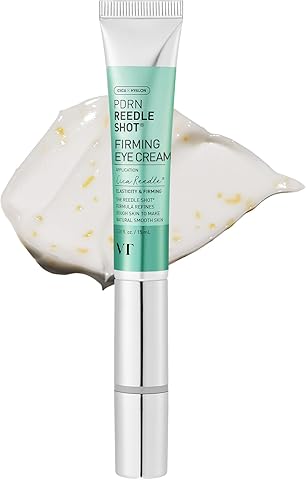
Phyto Exosome PDRN Lifting Shot Eye Cream
Medi-Peel
Specialized eye treatment with phyto exosomes, PDRN, and lifting peptides for under-eye firming.
$30–40

PDRN Intensive Cream 1.5 Tube
Abib
Deep hydration with 1.5% salmon DNA PDRN, ceramides, panthenol, and peptides for barrier reinforcement.
$35–45
Related Posts
The Best PDRN Skincare Routine for Your 40s
In your 40s, collagen loss accelerates to 1-2% per year while fibroblast density measurably declines and hormonal shifts thin the dermis further. A PDRN routine for this decade must be more aggressive — higher concentrations, strategic retinoid alternation, peptide layering, and regular professional treatments to maintain dermal density where prevention alone is no longer enough.
PDRN for Mature Skin Over 50: Rebuilding Collagen at Any Age
After 50, collagen production slows dramatically — but PDRN can restart the process. Learn how PDRN addresses the specific challenges of mature skin, from deep wrinkles to loss of firmness.
PDRN for Wrinkles: How DNA Fragments Rebuild Aging Skin
Wrinkles form when collagen breaks down faster than your skin can replace it. PDRN reverses this imbalance by activating your skin's own regenerative machinery — stimulating fibroblasts, building new collagen, and restoring dermal thickness. Here is how it works and what results to expect.