 PDRN Care
PDRN vs Cica (Centella Asiatica): K-Beauty's Top Repair Ingredients Compared
Dr. Sarah Chen
PhD, Molecular Biology
K-Beauty's Two Favorite Repair Ingredients
If you have spent any time in the K-beauty world, you have encountered both of these ingredients repeatedly. Cica — shorthand for Centella asiatica — has been a cornerstone of Korean skincare for years, appearing in everything from toners to sleeping masks as the go-to ingredient for calming, soothing, and repairing compromised skin. PDRN is the newer entrant — a DNA-derived regenerative compound that has moved from Korean aesthetic clinics into mainstream topical products at remarkable speed. Both ingredients share a reputation for healing and repair, but they achieve these effects through entirely different biological pathways. This guide compares their science, their wound healing mechanisms, their anti-inflammatory properties, and whether combining them delivers the ultimate repair strategy.
What Is PDRN?
PDRN (polydeoxyribonucleotide) is a purified mixture of DNA fragments derived from salmon sperm cells, with molecular weights ranging from 50 to 1500 kDa [1][4]. It was developed originally for clinical wound healing and tissue regeneration in orthopedic and vascular medicine, and has been used in Korean dermatology clinics for over a decade before becoming available in topical skincare formulations [1][2].
How PDRN works
PDRN exerts its biological effects through two primary mechanisms [1][2][4]:
- A2A adenosine receptor activation: PDRN fragments bind to A2A receptors on fibroblasts, endothelial cells, and immune cells, triggering intracellular signaling cascades that promote fibroblast proliferation, collagen synthesis, VEGF-mediated angiogenesis (new blood vessel formation), and anti-inflammatory responses through suppression of NF-kB, TNF-alpha, and IL-6.
- Nucleotide salvage pathway: PDRN supplies deoxyribonucleotide building blocks that cells can incorporate directly into DNA repair and replication processes, bypassing the metabolically expensive de novo synthesis pathway. This is especially valuable for cells under stress — such as those in damaged or aging tissue — that are operating with limited energy reserves.
Together, these mechanisms make PDRN a regenerative agent that enhances the skin's intrinsic repair capacity at the cellular level [1][4].
What Is Cica (Centella Asiatica)?
Centella asiatica is a herbaceous plant that has been used in traditional Asian medicine for centuries and has become one of the most researched botanical ingredients in modern dermatology [5][6][7]. In K-beauty, it is commonly referred to as "cica" — a name derived from cicatrization, the medical term for scar formation and wound healing.
The active compounds in centella
Centella asiatica's biological activity comes from a group of pentacyclic triterpene compounds [5][6][7]:
- Asiaticoside: A glycoside that is converted to asiatic acid in the body; stimulates type I collagen synthesis in fibroblasts.
- Madecassoside: Another glycoside, converted to madecassic acid; has strong anti-inflammatory and antioxidant properties.
- Asiatic acid: Directly stimulates collagen production and promotes wound healing through TGF-beta signaling.
- Madecassic acid: Inhibits pro-inflammatory mediators and supports extracellular matrix remodeling.
The standardized extract containing a defined ratio of these compounds is known as TECA (titrated extract of Centella asiatica) or sometimes Centella Asiatica Triterpene Fraction (CATTF) [5][6].
How centella works
Centella's wound healing and skin repair effects operate through several pathways [5][6][7][8]:
- Collagen synthesis stimulation: Asiaticoside and asiatic acid increase type I collagen production in dermal fibroblasts, primarily through activation of the TGF-beta/Smad signaling pathway [5][6]. This is a different collagen-stimulation mechanism than PDRN's A2A receptor pathway.
- Anti-inflammatory activity: Madecassoside and madecassic acid inhibit NF-kB activation and reduce the production of pro-inflammatory cytokines (TNF-alpha, IL-1beta, IL-6) and inflammatory mediators like iNOS and COX-2 [5][7].
- Antioxidant protection: Centella compounds scavenge free radicals and upregulate antioxidant enzymes, reducing oxidative stress in skin tissue [7].
- Wound healing promotion: In wound models, centella extracts accelerate re-epithelialization, increase tensile strength of healing tissue, and promote angiogenesis in the wound bed [6][8]. The wound healing effect has been demonstrated in both animal models and clinical studies.
- ECM remodeling: Centella influences the balance between collagen synthesis and degradation by modulating matrix metalloproteinase (MMP) activity, helping to prevent both excessive scarring and excessive collagen breakdown [5][6].
Mechanisms Compared: DNA-Level Repair vs. Triterpene-Mediated Healing
Both PDRN and cica are fundamentally repair-oriented ingredients, but they work at different levels of biological organization.
PDRN operates at the molecular and cellular level [1][2][4]. Its A2A receptor activation triggers specific intracellular signaling cascades in fibroblasts and immune cells, and its nucleotide building blocks feed directly into DNA repair machinery. PDRN's approach is precise — it targets the adenosine signaling system and the nucleotide salvage pathway, two well-defined molecular mechanisms. Its collagen-stimulating effect comes from fibroblast activation and proliferation rather than from direct transcriptional regulation of collagen genes.
Centella operates through phytochemical modulation of multiple pathways [5][6][7]. Its triterpene compounds interact with TGF-beta receptors, NF-kB signaling, antioxidant response elements, and MMP regulation. Centella's approach is broader — its mixture of active compounds influences wound healing, inflammation, oxidative stress, and extracellular matrix remodeling simultaneously. Its collagen-stimulating effect comes primarily from TGF-beta/Smad pathway activation, a different route than PDRN's A2A receptor mechanism.
In simple terms: PDRN gives your cells the building blocks and activation signals they need to regenerate from the DNA level up. Centella provides a cocktail of plant-derived compounds that modulate healing, inflammation, and matrix remodeling from the outside in. Both arrive at improved skin repair, but through non-overlapping biological pathways — which is precisely why they work so well together.
Anti-Inflammatory Pathways: Same Outcome, Different Routes
Both PDRN and cica are known for their anti-inflammatory properties, but understanding how each reduces inflammation reveals why the combination is so effective.
PDRN's anti-inflammatory mechanism
PDRN reduces inflammation through A2A adenosine receptor activation [1][2]. When PDRN fragments bind to A2A receptors on immune cells and fibroblasts, the resulting intracellular signaling cascade suppresses NF-kB translocation to the nucleus, which reduces the transcription of pro-inflammatory genes including TNF-alpha, IL-6, and IL-8. This pathway also promotes the release of anti-inflammatory mediators. The A2A pathway is well-established in pharmacology as a potent anti-inflammatory mechanism — it is the same pathway targeted by certain anti-inflammatory drugs [1][4].
Centella's anti-inflammatory mechanism
Centella reduces inflammation through its triterpene compounds, particularly madecassoside and madecassic acid [5][7]. These compounds inhibit NF-kB through a different upstream pathway than PDRN — they interfere with IKK (IkB kinase) activation and reduce the phosphorylation and degradation of IkB-alpha, the protein that normally holds NF-kB inactive in the cytoplasm. Centella's triterpenes also directly inhibit COX-2 and iNOS expression, reducing prostaglandin and nitric oxide production in inflamed tissue [7].
Both pathways converge on NF-kB suppression, but they arrive there through different upstream signals. PDRN uses receptor-mediated adenosine signaling. Centella uses direct modulation of the IKK/IkB/NF-kB cascade by triterpene compounds. This means that using both ingredients simultaneously may provide more complete NF-kB suppression than either alone — a concept pharmacologists call "convergent pathway inhibition."
Wound Healing: The Core Shared Strength
Wound healing is the area where PDRN and cica share the most common ground, and it is the reason both have earned reputations as repair ingredients.
PDRN in wound healing
PDRN's wound healing evidence comes from extensive clinical use in medicine [1][2][4]. Injectable PDRN has been used to treat diabetic foot ulcers, chronic wounds, and post-surgical tissue repair, with clinical trials demonstrating accelerated healing, improved tissue quality, and enhanced angiogenesis. The mechanism involves A2A receptor-mediated stimulation of fibroblast proliferation, VEGF release (which promotes new blood vessel formation to supply healing tissue), and provision of nucleotide building blocks for the rapid cell division required during wound repair [1][4]. Topical PDRN has been shown to improve post-procedure recovery and support skin rejuvenation [2][3].
Centella in wound healing
Centella's wound healing reputation has an even longer history — it has been used for wound care in traditional medicine for centuries, and modern research has validated these effects [5][6][8]. Centella extracts accelerate every phase of wound healing: they promote fibroblast proliferation and migration during the proliferative phase, increase collagen synthesis to strengthen new tissue, enhance angiogenesis in the wound bed, and accelerate re-epithelialization (the regrowth of the epidermal layer) [6][8]. Clinical applications have included treatment of burns, surgical wounds, and hypertrophic scars [5][6]. The TECA extract (standardized centella) has been the subject of controlled clinical studies showing improved wound closure rates and better cosmetic outcomes [6].
How their wound healing mechanisms complement each other
PDRN and centella promote wound healing through non-overlapping pathways, which means the combination targets more phases and mechanisms of the healing process:
- Fibroblast activation: PDRN activates fibroblasts via A2A receptors [1]; centella activates them via TGF-beta signaling [5][6]. Dual activation through independent pathways.
- Collagen synthesis: PDRN promotes collagen through fibroblast proliferation and metabolic support [1][2]; centella promotes collagen through TGF-beta/Smad transcriptional upregulation [5][6]. Different regulatory mechanisms producing the same structural protein.
- Angiogenesis: PDRN drives angiogenesis through VEGF release from A2A receptor activation [1][4]; centella supports angiogenesis through triterpene-mediated vascular growth factor modulation [6]. Parallel pro-angiogenic signals.
- Anti-inflammation: PDRN suppresses NF-kB via A2A signaling [1]; centella suppresses NF-kB via IKK pathway inhibition [5][7]. Convergent anti-inflammatory effects through divergent upstream pathways.
Side Effects: Two of the Gentlest Active Ingredients Available
Centella side effects
Centella asiatica has an excellent safety profile with decades of topical use [5][6][7]:
- Very rare allergic contact dermatitis: Isolated case reports of contact allergy to centella exist, primarily to the whole plant extract rather than purified triterpene compounds [6].
- No irritation: Standardized centella extracts (TECA) do not cause irritation, stinging, or burning at standard cosmetic concentrations [5].
- No photosensitivity: Centella does not increase UV sensitivity and may provide mild photoprotective effects through its antioxidant activity [7].
- No purging: Centella does not accelerate cell turnover, so there is no purging or retinization-like period [5].
PDRN side effects
PDRN is equally gentle [1][2][3]:
- No reported irritation: Clinical studies report no significant adverse effects from topical PDRN [2][3].
- No photosensitivity: PDRN does not thin the stratum corneum or increase UV susceptibility [1][4].
- Active anti-inflammatory action: PDRN does not merely avoid irritation — it actively reduces inflammation, making it therapeutic for already-irritated skin [1][2].
- No purging period: PDRN works through regeneration, not accelerated turnover [1].
Both ingredients belong to the rare category of active ingredients that provide meaningful biological effects without any adaptation period, irritation risk, or photosensitivity concern. This shared gentleness is a significant reason why both have become staples in products marketed toward sensitive and reactive skin.
Can You Use PDRN and Cica Together?
Yes — and the K-beauty industry has already embraced this combination enthusiastically. Several popular products combine PDRN and centella in single formulations, and the scientific rationale for doing so is strong.
As detailed above, PDRN and centella work through entirely different molecular pathways [1][5]. There are no known conflicts between their mechanisms, no pH incompatibilities, and no receptor competition. Here is why the combination makes particular sense:
- Multi-pathway repair: The combination engages A2A receptor signaling (PDRN), TGF-beta signaling (centella), nucleotide salvage (PDRN), and triterpene-mediated modulation (centella) simultaneously [1][5][6]. This is a broader therapeutic attack on skin damage than either ingredient provides alone.
- Convergent anti-inflammation: Both ingredients suppress NF-kB, but through different upstream mechanisms [1][5][7]. This convergent inhibition may provide more robust anti-inflammatory protection, which is particularly valuable for chronically inflamed conditions like rosacea or persistent post-acne redness.
- Comprehensive collagen support: PDRN stimulates collagen via fibroblast activation and nucleotide supply [1][2], while centella stimulates collagen via TGF-beta/Smad transcriptional activation [5][6]. Engaging both pathways simultaneously may produce greater collagen synthesis than either alone.
- Both ingredients are gentle enough for compromised skin: Unlike combining potent actives such as retinol and AHAs, combining PDRN and centella carries no risk of compounding irritation [1][2][5]. The combination is suitable even for post-procedure skin, active rosacea, or severely compromised barriers.
How to layer them in a routine
Morning routine:
- Gentle cleanser
- Cica toner (calming, barrier-supporting base layer)
- PDRN serum (regenerative active treatment)
- Cica cream or moisturizer (soothing occlusive layer)
- Sunscreen
Evening routine:
- Double cleanse
- PDRN toner (regenerative prep step)
- PDRN serum (concentrated regenerative treatment during nighttime repair)
- Cica cream or sleeping mask (anti-inflammatory and barrier-supportive overnight)
Simplified approach:
- Use a product that combines both ingredients — several K-beauty brands now offer cica + PDRN creams, toners, and serums that deliver both in one step
Head-to-Head Comparison Table
| Factor | PDRN | Cica (Centella Asiatica) |
|---|---|---|
| Source | Salmon sperm cell DNA fragments [1][4] | Centella asiatica plant triterpenes [5][6] |
| Primary mechanism | A2A receptor activation, nucleotide salvage [1][4] | TGF-beta signaling, triterpene modulation [5][6] |
| Collagen effect | Fibroblast proliferation and activation via A2A [1][2] | TGF-beta/Smad transcriptional upregulation [5][6] |
| Anti-inflammatory pathway | A2A-mediated NF-kB suppression [1] | IKK pathway inhibition, COX-2/iNOS suppression [5][7] |
| Wound healing evidence | Extensive — diabetic ulcers, chronic wounds, post-surgical [1][4] | Extensive — burns, surgical wounds, traditional use [5][6][8] |
| Antioxidant activity | Minimal direct antioxidant effect [1] | Significant — free radical scavenging, antioxidant enzyme upregulation [7] |
| Angiogenesis | Strong — VEGF release via A2A activation [1][4] | Moderate — triterpene-mediated vascular support [6] |
| Irritation potential | Very low — no reported irritation [2][3] | Very low — rare allergic reactions to whole extract [5][6] |
| Sun sensitivity | None [1] | None — mild photoprotective effect [7] |
| Suitable skin types | All types, especially sensitive and post-procedure [1][2] | All types, especially sensitive and irritated [5][6] |
| Onset of results | 4-8 weeks for visible improvement [3] | 4-8 weeks for barrier and calming benefits [5] |
| Clinical evidence | 20+ years in clinical medicine, growing topical data [1][4] | Centuries of traditional use + modern clinical studies [5][6] |
When to Choose PDRN Over Cica
PDRN is the better primary ingredient when [1][2][3]:
- Collagen regeneration and skin firmness are your top priorities — PDRN's A2A receptor mechanism provides a more direct and potent fibroblast-activating signal than centella's TGF-beta pathway [1][2]
- You are recovering from aesthetic procedures — PDRN was originally developed for clinical tissue regeneration, and its nucleotide-supply mechanism is specifically relevant to the rapid cell division required after laser, microneedling, or peels [2][4]
- You want to target aging-related dermal thinning — PDRN's fibroblast proliferation effect directly addresses the reduction in fibroblast density and activity that characterizes aging dermis [1][3]
- Angiogenesis support is important — PDRN's VEGF-stimulating effect is stronger and more specific than centella's vascular support, which may matter for improving blood flow to healing or aging tissue [1][4]
When to Choose Cica Over PDRN
Cica is the better primary ingredient when [5][6][7]:
- Acute irritation and redness are your immediate concern — centella's combination of anti-inflammatory, antioxidant, and soothing effects provides fast-acting calming for reactive skin [5][7]
- Antioxidant protection is a priority — centella provides significant direct antioxidant activity that PDRN lacks, which may be relevant for environmental stress defense [7]
- You are dealing with scarring concerns — centella's historical and clinical evidence for scar prevention and treatment (including hypertrophic scars) is more extensive than PDRN's [5][6]
- You prefer plant-derived ingredients — centella is a botanical extract, while PDRN is an animal-derived (salmon) DNA product; this matters to some consumers [5]
- You are on a tight budget — centella products tend to be available at lower price points than PDRN products, reflecting the lower cost of botanical extraction
The Best Approach: Using Both
For skin repair, barrier recovery, and anti-inflammatory support, the combination of PDRN and cica is one of the strongest pairings available in K-beauty — and the market clearly agrees, given the proliferation of products that combine both ingredients.
The science makes the case clearly:
- Cica handles the phytochemical modulation — its triterpenes suppress inflammation through IKK/NF-kB inhibition, scavenge free radicals, stimulate collagen via TGF-beta, and support wound healing through re-epithelialization and ECM remodeling [5][6][7].
- PDRN handles the cellular regeneration — its DNA fragments activate A2A receptors to drive fibroblast proliferation, supply nucleotide building blocks for DNA repair, stimulate VEGF for angiogenesis, and suppress inflammation through adenosine signaling [1][2][4].
Together, they create a multi-layered repair system that addresses skin damage from the molecular level (PDRN's nucleotide salvage and A2A activation) to the tissue level (centella's ECM remodeling and antioxidant protection). The combination is particularly powerful for three use cases: post-procedure recovery, where both repair mechanisms accelerate healing; chronic sensitivity and rosacea, where dual anti-inflammatory pathways provide more comprehensive calming; and aging skin, where collagen stimulation through two independent pathways may produce greater results than either ingredient alone.
The Bottom Line
Cica and PDRN are both repair-first ingredients with gentle side effect profiles and strong clinical evidence, but they work through fundamentally different biological mechanisms [1][5]. Centella's triterpene compounds modulate inflammation, provide antioxidant protection, and stimulate collagen through TGF-beta signaling [5][6]. PDRN's DNA fragments activate A2A adenosine receptors, supply nucleotide building blocks for DNA repair, and stimulate fibroblast proliferation and angiogenesis [1][4]. If you must choose one, let your priorities guide the decision: acute calming and antioxidant protection favor cica, while deep regeneration and collagen restoration favor PDRN [1][5]. But the most effective approach is to use both — their non-overlapping mechanisms, shared gentleness, and convergent anti-inflammatory effects make the PDRN + cica combination one of the most scientifically compelling repair strategies in modern skincare.
References
- [1]Squadrito F, Bitto A, Irrera N, et al.. Pharmacological Activity and Clinical Use of PDRN. Curr Pharm Des. 2017;23(27):3948-3957. doi:10.2174/1381612823666170516153716
- [2]Colangelo MT, Galli C, Giannelli M. Polydeoxyribonucleotide: A Promising Biological Platform for Dermal Regeneration. Curr Pharm Des. 2020;26(17):2049-2056.
- [3]Kim TH, Kim JY, Bae JH, et al.. Biostimulatory effects of polydeoxyribonucleotide for facial skin rejuvenation. J Cosmet Dermatol. 2019;18(6):1767-1773. doi:10.1111/jocd.12958
- [4]Veronesi F, Dallari D, Sabbioni G, Carubbi C, Martini L, Fini M. Polydeoxyribonucleotides (PDRNs): From Physical Chemistry to Biological Activities and Clinical Applications. Int J Mol Sci. 2017;18(9):1927. doi:10.3390/ijms18091927
- [5]Bylka W, Znajdek-Awizen P, Studzinska-Sroka E, Brzezinska M. Centella asiatica in cosmetology. Postepy Dermatol Alergol. 2013;30(1):46-49. doi:10.5114/pdia.2013.33378
- [6]Brinkhaus B, Lindner M, Schuppan D, Hahn EG. Chemical, pharmacological and clinical profile of the East Asian medical plant Centella asiatica. Phytomedicine. 2000;7(5):427-448. doi:10.1016/S0944-7113(00)80065-3
- [7]Gohil KJ, Patel JA, Gajjar AK. Pharmacological Review on Centella asiatica: A Potential Herbal Cure-all. Indian J Pharm Sci. 2010;72(5):546-556. doi:10.4103/0250-474X.78519
- [8]Sawatdee S, Choochuay K, Chanthorn W, Srichana T. Evaluation of the topical spray containing Centella asiatica extract and its efficacy on excision wounds in rats. Acta Pharm. 2016;66(2):233-244. doi:10.1515/acph-2016-0018
Recommended Products
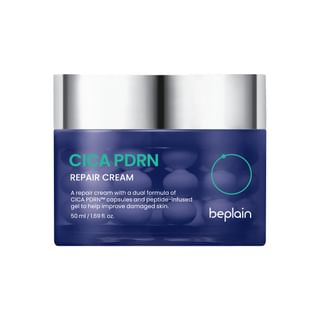
Cica PDRN Repair Cream
beplain
Minimalist cica cream with PDRN for sensitive skin repair, redness relief, and barrier restoration.
$20–28
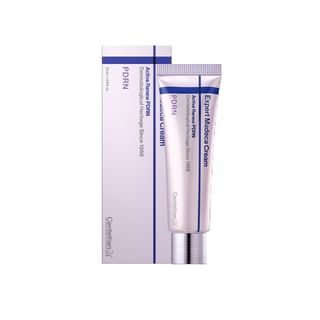
Expert Madeca Cream Active Renew PDRN
Centellian24
Centella asiatica meets PDRN in this intensive renewal cream for calming, firming, and barrier repair.
$14–20

PDRN Pink Cica Soothing Toner
Medicube
Radiance-boosting toner with salmon PDRN DNA and centella asiatica (cica) for texture refinement and soothing.
$22–30

5 PDRN Collagen Intense Vitalizing Serum
COSRX
Multi-PDRN formula with 5 types of PDRN from salmon, centella, rice, lactobacillus, and sea grapes plus low-molecular collagen.
$30–40
Related Posts
What is PDRN? The Complete Guide to Salmon DNA Skincare
PDRN (Polydeoxyribonucleotide) is a DNA-derived skincare ingredient extracted from salmon. Learn what PDRN means, how it works, its benefits for skin, and the different product types available.
PDRN vs Retinol: Comparing Two Anti-Aging Powerhouses
PDRN and retinol are two of the most talked-about anti-aging ingredients, but they work through entirely different mechanisms. PDRN activates cellular regeneration via the A2A receptor, while retinol drives cell turnover through retinoid receptor signaling. We compare their science, side effects, and best use cases.
PDRN for Sensitive Skin: Why It's One of the Safest Active Ingredients
Sensitive skin limits which actives you can use — but PDRN is an exception. Learn why PDRN's anti-inflammatory mechanism makes it uniquely suited for reactive, rosacea-prone, and easily irritated skin.