 PDRN Care
Allantoin
How to Combine with PDRN
Allantoin pairs effortlessly with PDRN — both are non-irritating and non-photosensitizing, so they can be used together in any routine step, morning or evening, with no waiting period required.
Morning
Apply PDRN serum first, then an allantoin-containing moisturizer or cream. Both are safe under sunscreen and will not increase photosensitivity.
Evening
Layer PDRN serum followed by an allantoin-rich cream. The overnight repair window allows both ingredients to maximize their cell-renewal and tissue-repair activity.
Intensive
After professional procedures (microneedling, peels, laser), use a PDRN + allantoin cream as the primary recovery product to accelerate healing while protecting the compromised barrier.
Best For
Skin concerns where this combination performs particularly well.
Sensitive and Reactive Skin
Allantoin's anti-irritant and soothing properties make it safe for even the most reactive skin, while PDRN delivers regenerative signaling without inflammation — together they provide active repair that sensitive skin can actually tolerate.
Post-Procedure Recovery
After microneedling, chemical peels, or laser treatments, the skin barrier is compromised. Allantoin protects and accelerates epidermal healing while PDRN drives fibroblast-level tissue repair — a full-thickness recovery strategy.
Dry and Flaky Skin
Allantoin's gentle keratolytic action removes dead surface cells without stripping, while its humectant properties improve hydration. Combined with PDRN's cellular repair, it restores both texture and moisture from within.
What is it?
Allantoin is a naturally occurring nitrogenous compound found in comfrey root (Symphytum officinale), sugar beet, wheat sprouts, and chamomile, and is also a metabolic byproduct of uric acid oxidation in most mammals. In modern skincare, it is produced synthetically for consistency and purity. The U.S. FDA officially recognizes allantoin as a Category I skin protectant at concentrations of 0.5%–2%, making it one of very few cosmetic ingredients with both an established safety profile and formal regulatory endorsement for protective claims. Its use in wound healing dates back centuries — comfrey poultices were applied to wounds and bone fractures in medieval European medicine, long before the active compound was identified. Allantoin's mechanism of action is multifaceted and unusually gentle. It stimulates cell proliferation in the stratum germinativum (basal layer), accelerating the turnover of damaged or aged keratinocytes without the irritation associated with chemical exfoliants like AHAs or retinoids. Simultaneously, it acts as a keratolytic agent, softening the intercellular matrix of the stratum corneum to promote gentle desquamation of dead surface cells. This dual action — proliferative from below, keratolytic from above — creates a self-renewing surface without disrupting the skin barrier. Additionally, allantoin is a modest humectant, capable of binding water in the stratum corneum and improving skin hydration. What makes allantoin exceptional among active ingredients is its anti-irritant and soothing profile. It suppresses irritation from other topical actives, reduces transepidermal water loss (TEWL) at compromised sites, and has demonstrated wound-healing acceleration in multiple in vivo models. This rare combination of cell-turnover promotion without irritation makes allantoin one of the most universally tolerated active ingredients in dermatology — suitable for neonatal skin, post-procedure care, and the most reactive skin types.
How It Works
- 1
Stimulates Basal Cell Proliferation
Allantoin promotes mitotic activity in the stratum germinativum, accelerating the production of fresh keratinocytes that replace damaged or aged surface cells.
- 2
Keratolytic Desquamation
It softens the intercellular cement of the stratum corneum, enabling gentle shedding of dead surface cells without the irritation of chemical exfoliants.
- 3
Moisture Binding and Barrier Support
As a humectant, allantoin binds water in the upper epidermis, reducing transepidermal water loss and supporting the skin barrier that PDRN's deeper repair depends on.
- 4
Anti-Irritant Buffering
Allantoin suppresses inflammatory responses to topical actives and environmental stressors, creating a calmer environment for PDRN's A2A receptor-mediated regeneration to proceed without interference.
Role in PDRN
In PDRN-based skincare protocols, allantoin serves as the gentle surface-repair partner that complements PDRN's deep cellular regeneration. While PDRN activates fibroblast proliferation and collagen synthesis through the adenosine A2A receptor pathway in the dermis, allantoin works at the epidermal level — stimulating keratinocyte turnover in the basal layer and promoting soft desquamation of the stratum corneum. The result is a full-thickness renewal strategy: PDRN rebuilds from within while allantoin resurfaces from above, and neither component causes irritation. This combination is especially valuable in post-procedure and sensitive skin contexts, where the skin barrier is compromised and irritation tolerance is at its lowest. Allantoin's anti-irritant properties effectively buffer any transient sensitivity from active ingredient penetration, while its wound-healing acceleration works in concert with PDRN's tissue-repair signaling. Several Korean PDRN creams include allantoin as a co-active ingredient precisely because it allows the formulation to deliver regenerative actives into freshly treated or reactive skin without triggering inflammation or barrier disruption.
Clinical Data
Allantoin has a long-established safety and efficacy record, forming the basis of its FDA Category I skin protectant classification. In vivo wound-healing studies have demonstrated that allantoin at 1%–2% accelerates epithelial migration and fibroblast activation at wound margins, reducing healing time in superficial wounds and post-procedure recovery models. A comparative study on post-laser skin recovery found that allantoin-containing formulations reduced erythema duration and TEWL more effectively than placebo vehicles. Cell proliferation assays confirm that allantoin stimulates mitosis in the basal layer of the epidermis without cytotoxicity, distinguishing it from harsher keratolytic agents. While large-scale randomized controlled trials specifically pairing allantoin with PDRN are not yet published, the complementary mechanisms — epidermal turnover via allantoin plus dermal regeneration via PDRN — are well-supported by the independent evidence bases for each ingredient.
Product Formats in the Wild
Common ways this ingredient is delivered in clinical and consumer products.
Beplain Cica PDRN Cream
Topical cream
Combines PDRN with allantoin and centella asiatica for a multi-pathway soothing and regenerative cream designed for sensitive skin.
Centellian24 Madeca PDRN Cream
Topical cream
Features allantoin alongside PDRN and madecassoside, targeting post-procedure recovery and barrier repair in a single formulation.
Found in These Products
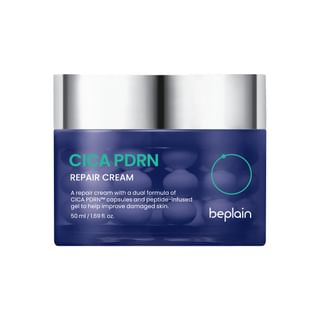
Cica PDRN Repair Cream
beplain
Minimalist cica cream with PDRN for sensitive skin repair, redness relief, and barrier restoration.
$20–28
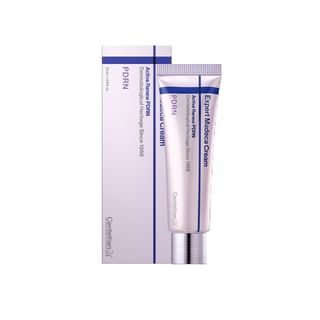
Expert Madeca Cream Active Renew PDRN
Centellian24
Centella asiatica meets PDRN in this intensive renewal cream for calming, firming, and barrier repair.
$14–20