 PDRN Care
PDRN Under Eye Treatment: Rejuvenate the Delicate Eye Area
The under-eye area is one of the first regions to show signs of aging and fatigue due to its exceptionally thin skin (approximately 0.5mm, compared to 2mm on the cheeks), limited sebaceous glands, and constant movement from blinking and facial expressions. Dark circles, fine lines, hollowing, and crepey texture in this area are among the most common aesthetic complaints. Traditional treatments range from topical eye creams with limited penetration to hyaluronic acid fillers that carry risks of the Tyndall effect and vascular compromise in this delicate zone.
How It Works
PDRN under-eye treatment requires specialized technique due to the delicacy and sensitivity of the periorbital area. The procedure begins with thorough cleansing and application of a topical anesthetic cream to the under-eye area, which is left on for 20-30 minutes. The practitioner may also use cold compresses to reduce sensitivity.
After removing the numbing cream and cleansing with antiseptic, the practitioner uses an ultra-fine needle (typically 32-33 gauge) or a short cannula to deliver PDRN into the periorbital dermis. The injection technique is critical — the product must be placed in the superficial dermis at a depth of approximately 0.5-1mm to avoid visible lumps in the thin under-eye skin. A serial micropuncture technique is most common, with tiny deposits (0.01-0.02ml) placed at regular intervals along the infraorbital rim and the skin overlying the tear trough.
Some practitioners use a cannula entry technique, inserting a blunt-tip cannula from a single entry point lateral to the eye and fanning the product across the under-eye area. This approach minimizes bruising risk in the highly vascular periorbital region. The total volume injected per eye is typically 0.3-0.5ml of the specialized eye-area PDRN formulation.
After injection, gentle pressure is applied with gauze to minimize bruising, followed by application of a cooling and soothing eye mask or serum. The entire procedure takes approximately 20-30 minutes. Post-treatment instructions include avoiding rubbing the eyes, sleeping face-up for the first night, and applying cold compresses if any swelling occurs. Most swelling and injection marks resolve within 2-5 days.
Benefits
Recommended Products (4)

PDRN+ 2% Flat Eyebag Cream
Leaders Cosmetics
All-in-one eye formula with PDRN and SPILANTHOX for under-eye puffiness, bags, and contour definition.
$18–26
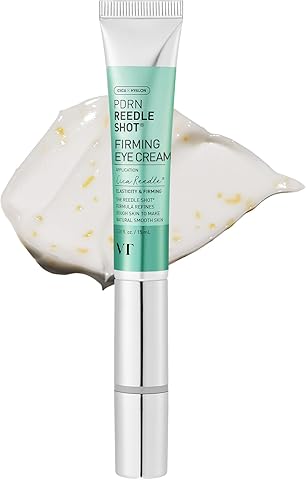
Phyto Exosome PDRN Lifting Shot Eye Cream
Medi-Peel
Specialized eye treatment with phyto exosomes, PDRN, and lifting peptides for under-eye firming.
$30–40

PDRN Pink Peptide Eye Cream
Medicube
Targets dark circles and fine lines with salmon DNA PDRN, retinol, peptides, and niacinamide — 22.5% moisture increase in 1 week.
$25–35

PDRN Collagen Hydrating Eye Cream Serum
Mixsoon
Plant-derived PDRN eye treatment from rice with collagen and peptides for deep hydration and fine line reduction.
$25–35
PDRN under-eye treatment has emerged as a safer, more natural alternative that regenerates the periorbital skin itself rather than simply masking or filling the problem. Specialized PDRN products designed for the eye area — such as Rejuran I (Eye) — use a lower viscosity formulation optimized for the thin periorbital skin. When injected into the under-eye dermis, PDRN stimulates fibroblasts to produce new collagen, thickening the tissue that has become translucent with age and allowing it to better conceal underlying blood vessels and orbital structures.
The treatment addresses multiple under-eye concerns simultaneously. Collagen stimulation firms and tightens crepey skin. Increased glycosaminoglycan production hydrates the area from within, reducing the sunken appearance. Anti-inflammatory effects calm the vascular congestion responsible for dark purple-blue discoloration. And improved microcirculation from PDRN-stimulated angiogenesis replaces damaged capillaries that contribute to hemosiderin staining and puffiness.
PDRN under-eye treatments are particularly valued for their safety profile compared to under-eye fillers. Because PDRN is a tissue regenerator rather than a volumizing agent, it does not carry the risk of the Tyndall effect (bluish discoloration from superficial HA filler), lumpiness, or migration that can complicate filler treatments in this sensitive area. The results are natural and progressive, with the skin quality improving over a series of 3-5 treatments spaced 2-4 weeks apart.
Frequently Asked Questions
How does PDRN under-eye treatment compare to under-eye filler?
Does PDRN under-eye treatment hurt?
How long does swelling last after under-eye PDRN?
What is Rejuran I and how is it different from regular Rejuran?
Other PDRN Treatments
PDRN Body Rejuvenation
PDRN body rejuvenation extends the regenerative benefits of polydeoxyribonucleotide treatment beyond…
PDRN Facial
The PDRN facial has become one of the most sought-after aesthetic treatments in Korean dermatology a…
PDRN Injection
PDRN injection is the most direct and clinically validated method of delivering polydeoxyribonucleot…
PDRN LED Therapy
PDRN and LED (Light Emitting Diode) therapy is a non-invasive combination treatment that pairs the r…
PDRN Lip Treatment
PDRN lip treatment is an emerging aesthetic procedure that uses polydeoxyribonucleotide to rejuvenat…
PDRN Mesotherapy
PDRN mesotherapy is a refined injectable technique that delivers polydeoxyribonucleotide into the me…
PDRN Microneedling
PDRN microneedling combines two powerful skin regeneration techniques into a single synergistic trea…
PDRN Neck Treatment
The neck is one of the earliest areas to show signs of aging, yet it is routinely overlooked in skin…
PDRN Reedle Shot
The PDRN Reedle Shot represents an innovative approach to PDRN delivery that bridges the gap between…
PDRN Scalp Treatment
PDRN scalp treatment is a regenerative approach to hair restoration that delivers polydeoxyribonucle…