 PDRN Care
PDRN and the Gut-Skin Axis: How Internal Health Affects Topical Results
Dr. Sarah Chen
PhD, Molecular Biology
The Gut-Skin Connection: More Than a Wellness Trend
The relationship between gut health and skin appearance has been recognized in traditional medicine for centuries, but only in the past decade has modern research revealed the precise biological mechanisms connecting these two organ systems. The gut-skin axis — a bidirectional communication network linking intestinal microbiota, immune regulation, and cutaneous health — is now one of the most active areas of dermatological research .
For anyone using PDRN in their skincare routine, understanding this connection is not merely academic. The internal environment of your body directly determines how effectively topical ingredients like PDRN can perform their regenerative functions. Systemic inflammation originating in the gut can undermine collagen synthesis, impair fibroblast activity, and compromise the very skin barrier through which PDRN must be absorbed .
How the Gut-Skin Axis Works
The Microbiome as Immune Regulator
Your intestinal tract hosts approximately 38 trillion microorganisms — bacteria, fungi, viruses, and archaea — that collectively form the gut microbiome . Far from being passive residents, these organisms actively regulate your immune system. Approximately 70 percent of your body's immune cells reside in the gut-associated lymphoid tissue (GALT), where they are continuously educated by microbial signals.
When the gut microbiome is diverse and balanced, it promotes immune tolerance and anti-inflammatory signaling. Beneficial bacteria produce short-chain fatty acids (SCFAs) like butyrate, propionate, and acetate that strengthen the intestinal barrier, reduce systemic inflammation, and support regulatory T-cell function .
Intestinal Permeability and Systemic Inflammation
When the gut microbiome becomes imbalanced — a state called dysbiosis — the consequences extend far beyond digestive symptoms. Dysbiosis increases intestinal permeability (often called "leaky gut"), allowing bacterial endotoxins like lipopolysaccharide (LPS) to enter the bloodstream . This triggers a systemic inflammatory response that elevates circulating levels of pro-inflammatory cytokines including TNF-alpha, IL-1beta, and IL-6.
These cytokines travel through the bloodstream to every organ, including the skin. Once they reach the dermis, they activate matrix metalloproteinases (MMPs) that degrade collagen, impair fibroblast function, and accelerate the visible signs of aging .
The Neuroendocrine Connection
The gut-skin axis also operates through neuroendocrine pathways. Stress hormones triggered by gut inflammation — particularly cortisol — directly suppress collagen synthesis and increase sebum production. The enteric nervous system communicates with the skin through neuropeptides like substance P, which can trigger inflammation, vasodilation, and mast cell degranulation in cutaneous tissue .
How Gut Dysfunction Limits Topical PDRN Efficacy
Understanding how gut-derived inflammation specifically interferes with PDRN's mechanisms of action helps explain why some people see dramatic results from PDRN while others experience only modest improvement.
Impaired Fibroblast Response
PDRN works primarily by activating the adenosine A2A receptor on dermal fibroblasts, stimulating them to produce collagen, elastin, and glycosaminoglycans . However, fibroblasts operating in a chronically inflamed environment show reduced responsiveness to regenerative signals. Elevated TNF-alpha levels shift fibroblasts from a synthetic (collagen-producing) phenotype toward a catabolic (collagen-degrading) phenotype .
In practical terms, if your gut is generating constant low-grade inflammation, your fibroblasts may respond less robustly to PDRN stimulation. The receptor activation still occurs, but the downstream collagen synthesis is dampened by competing inflammatory signals.
Accelerated Collagen Degradation
Even when PDRN successfully stimulates new collagen production, systemic inflammation can accelerate its breakdown. Gut-derived inflammatory cytokines upregulate MMP-1, MMP-3, and MMP-9 — enzymes that specifically cleave collagen fibers . This creates a futile cycle where new collagen is degraded almost as quickly as it is formed, resulting in minimal net improvement despite consistent PDRN use.
Compromised Skin Barrier
The skin barrier — the stratum corneum — determines how effectively topical PDRN can penetrate to reach dermal fibroblasts. Gut dysbiosis impairs skin barrier function through multiple mechanisms: reduced ceramide production, increased transepidermal water loss, and altered antimicrobial peptide expression . A compromised barrier may paradoxically allow more PDRN penetration but simultaneously creates an inflammatory environment that counteracts its regenerative effects.
Disrupted Microcirculation
PDRN enhances skin quality partly through promoting angiogenesis — the formation of new blood vessels that improve nutrient delivery to the dermis . Systemic inflammation from gut dysbiosis causes endothelial dysfunction, impairing the vasculature's ability to respond to PDRN's pro-angiogenic signaling. The VEGF stimulation occurs, but the vascular endothelium is less capable of forming healthy new vessels.
PDRN's Anti-Inflammatory Role in Context
Interestingly, PDRN itself possesses significant anti-inflammatory properties that partially counteract gut-derived inflammation at the skin level. By activating the A2A adenosine receptor, PDRN suppresses NF-kB signaling and reduces local production of TNF-alpha, IL-6, and IL-1beta .
This means PDRN is not merely a victim of systemic inflammation — it actively fights back against it in the skin. However, there are limits to what topical anti-inflammatory action can achieve when the body is continuously generating new inflammatory signals from a dysbiotic gut. PDRN can reduce local skin inflammation, but it cannot resolve the upstream source.
This is precisely why optimizing gut health alongside your PDRN skincare routine produces synergistic benefits. By reducing the inflammatory burden at its source, you allow PDRN's regenerative mechanisms to operate at full capacity without constantly battling incoming inflammatory signals.
Oral PDRN Supplements vs. Topical: A Gut-Skin Perspective
The emergence of oral PDRN supplements adds another dimension to the gut-skin axis conversation. Oral PDRN is absorbed through the intestinal tract and enters systemic circulation, potentially delivering anti-inflammatory and regenerative benefits from the inside out.
How Oral PDRN May Support Gut Health
Emerging research suggests that PDRN's anti-inflammatory properties may benefit the intestinal lining itself. The A2A receptor is expressed on intestinal epithelial cells, and adenosine signaling plays a role in maintaining intestinal barrier integrity . While clinical studies specifically examining oral PDRN's effects on gut permeability are still limited, the theoretical framework is compelling.
Combining Oral and Topical PDRN
A combined approach — oral PDRN for systemic anti-inflammatory support and topical PDRN for direct dermal stimulation — addresses the gut-skin axis from both directions simultaneously. The oral form helps reduce the systemic inflammatory load that limits topical efficacy, while the topical form delivers concentrated regenerative stimulation directly to target cells.
Practical Considerations
Oral PDRN supplements typically provide 100 to 300 mg of polydeoxyribonucleotide per serving. For supporting topical PDRN results, consistent daily supplementation for at least eight to twelve weeks is generally needed before meaningful skin improvements become visible. This timeline reflects the gradual reduction in systemic inflammation rather than direct topical effects.
Practical Strategies for Optimizing PDRN Results Through Gut Health
Dietary Foundations
Increase fiber diversity. Different fiber types feed different beneficial bacterial species. Aim for 30 or more unique plant foods per week — fruits, vegetables, whole grains, legumes, nuts, and seeds. This diversity supports a robust microbiome that produces abundant anti-inflammatory SCFAs .
Include fermented foods daily. Kimchi, sauerkraut, kefir, yogurt with live cultures, miso, and kombucha introduce beneficial bacteria directly into the gut ecosystem. A Stanford study found that consuming six servings of fermented foods daily for ten weeks significantly reduced systemic inflammatory markers.
Minimize ultra-processed foods. Emulsifiers, artificial sweeteners, and refined seed oils commonly found in processed foods have been shown to disrupt gut barrier integrity and promote dysbiosis . Reducing these supports the intestinal lining that keeps inflammatory endotoxins contained.
Prioritize omega-3 fatty acids. Found in fatty fish, walnuts, chia seeds, and flaxseeds, omega-3s reduce intestinal inflammation and support beneficial bacterial species. They also directly benefit skin health by improving barrier lipid composition.
Targeted Supplementation
Probiotics. Look for strains with evidence for skin health benefits: Lactobacillus rhamnosus, Lactobacillus plantarum, and Bifidobacterium longum have the most research supporting gut-skin axis improvements . Take consistently for a minimum of eight weeks before evaluating results.
Prebiotics. Inulin, fructooligosaccharides (FOS), and galactooligosaccharides (GOS) feed beneficial gut bacteria. These can be obtained through diet (garlic, onions, bananas, asparagus) or supplements.
L-glutamine. This amino acid is the primary fuel source for intestinal epithelial cells and supports gut barrier repair. Doses of 5 to 10 grams daily have been shown to reduce intestinal permeability in clinical settings.
Zinc carnosine. Specifically studied for its ability to strengthen the gut lining and reduce intestinal inflammation. A dose of 75 mg twice daily has demonstrated gut-protective effects.
Lifestyle Factors
Manage stress. Chronic psychological stress disrupts the gut microbiome through the gut-brain axis, increasing intestinal permeability and promoting dysbiosis . Regular stress management practices — meditation, exercise, adequate social connection — support gut integrity and reduce the inflammatory burden on skin.
Prioritize sleep. Circadian disruption alters gut microbial composition and increases intestinal permeability. Seven to nine hours of consistent sleep supports both gut barrier function and the nocturnal collagen synthesis that PDRN enhances.
Exercise regularly. Moderate physical activity increases microbial diversity and SCFA production. However, excessive high-intensity exercise without adequate recovery can temporarily increase intestinal permeability — balance is key.
Signs Your Gut May Be Limiting Your PDRN Results
Consider gut health optimization if you identify with several of these patterns:
- You have been using PDRN consistently for eight or more weeks with minimal visible improvement
- You experience frequent bloating, gas, irregular bowel movements, or food sensitivities
- Your skin is simultaneously experiencing breakouts, redness, or sensitivity alongside aging concerns
- You notice that your skin looks significantly worse after periods of dietary indulgence or stress
- You have a history of antibiotic use, particularly multiple courses or long-term use
- You experience skin improvements during vacation (reduced stress and potentially better diet) that disappear upon returning to your normal routine
A Combined Inside-Out Protocol
For those ready to address the gut-skin axis alongside their PDRN skincare routine, here is an integrated approach:
Topical Protocol (External)
- Morning: Hydrating toner, PDRN serum, moisturizer, SPF
- Evening: Double cleanse, PDRN serum, PDRN cream or sleeping mask
- Weekly: PDRN sheet mask or intensive treatment two to three times per week
Internal Protocol (Gut Support)
- Daily probiotic (multi-strain, minimum 10 billion CFU) taken with breakfast
- Prebiotic fiber through diet — aim for 25 to 35 grams daily from diverse plant sources
- Omega-3 supplement (1,000 to 2,000 mg EPA/DHA combined) with meals
- Optional: Oral PDRN supplement (100 to 300 mg daily)
- Optional: L-glutamine (5 g daily) if gut permeability is suspected
Timeline Expectations
When combining gut health optimization with topical PDRN, most people notice a meaningful acceleration of skin results beginning around weeks four to six — approximately when gut microbial shifts begin reducing systemic inflammatory markers . Full synergistic benefits typically emerge by week twelve, as the reduced inflammatory environment allows PDRN-stimulated collagen to accumulate without excessive enzymatic degradation.
Frequently Asked Questions
Can poor gut health completely negate topical PDRN benefits?
Not completely. PDRN still activates the A2A receptor and stimulates fibroblasts regardless of gut status . However, severe gut dysbiosis with high systemic inflammation can significantly reduce the net collagen gains from PDRN use by simultaneously upregulating collagen-degrading enzymes. Addressing gut health does not make PDRN work — it removes the brakes that prevent PDRN from working at full capacity.
How do I know if my gut is affecting my skin?
The most reliable indicators are a combination of digestive symptoms (bloating, irregular motility, food sensitivities) alongside skin issues that do not respond proportionally to topical treatment quality . If you are using well-formulated PDRN products consistently for eight or more weeks without meaningful improvement, and you have any digestive irregularities, gut health optimization is worth pursuing.
Should I take oral PDRN instead of using it topically?
They serve different functions and work best together rather than as replacements for each other. Oral PDRN provides systemic anti-inflammatory support and nucleotide building blocks distributed throughout the body. Topical PDRN delivers concentrated receptor activation directly to dermal fibroblasts in target areas . The combination addresses the gut-skin axis from both directions.
How long does it take to fix gut health enough to see better PDRN results?
Meaningful shifts in gut microbial composition can occur within two to four weeks of dietary changes, but reductions in systemic inflammatory markers typically require six to twelve weeks of consistent gut-supportive practices . Plan for a minimum three-month combined protocol before evaluating whether internal optimization has improved your topical PDRN response.
Are there specific skin conditions where the gut-skin axis is especially relevant?
Yes. Acne, rosacea, eczema, and psoriasis all have well-documented associations with gut dysbiosis . If you are using PDRN to address any of these inflammatory skin conditions, gut health optimization is particularly important because these conditions involve overactive inflammatory pathways that directly counteract PDRN's regenerative mechanisms.
References
- [1]Squadrito F, Bitto A, Irrera N, Pizzino G, Pallio G, Minutoli L, Altavilla D. Pharmacological Activity and Clinical Use of PDRN. Current Pharmaceutical Design. 2017;23(27):3948-3957. doi:10.2174/1381612823666170516153716
- [2]Colangelo MT, Galli C, Gentile P. Polydeoxyribonucleotide: A Promising Biological Platform for Dermal Regeneration. Current Pharmaceutical Design. 2020;26(17):2049-2056. doi:10.2174/1381612826666200113152555
- [3]Salem I, Ramser A, Isham N, Ghannoum MA. The Gut Microbiome as a Major Regulator of the Gut-Skin Axis. Frontiers in Microbiology. 2018;9:1459. doi:10.3389/fmicb.2018.01459
- [4]De Pessemier B, Grine L, Debaere M, Maes A, Paetzold B, Callewaert C. Gut-Skin Axis: Current Knowledge of the Interrelationship between Microbial Dysbiosis and Skin Conditions. Microorganisms. 2021;9(2):353. doi:10.3390/microorganisms9020353
- [5]Bitto A, Polito F, Irrera N, D'Ascola A, Avenoso A, Nastasi G, Campo GM, Micali A, Squadrito F, Altavilla D. Polydeoxyribonucleotide reduces cytokine production and the severity of collagen-induced arthritis by stimulation of adenosine A2A receptor. Arthritis Research & Therapy. 2011;13(1):R28. doi:10.1186/ar3258
- [6]Galeano M, Bitto A, Altavilla D, Minutoli L, Polito F, Calò M, Lo Cascio P, Stagno d'Alcontres F, Squadrito F. Polydeoxyribonucleotide stimulates angiogenesis and wound healing in the genetically diabetic mouse. Wound Repair and Regeneration. 2008;16(2):208-217. doi:10.1111/j.1524-475X.2008.00361.x
- [7]Kim TH, Kim JH, Lee SH, Park ES. Biostimulatory effects of polydeoxyribonucleotide for facial skin rejuvenation. Journal of Cosmetic Dermatology. 2019;18(6):1767-1773. doi:10.1111/jocd.12958
- [8]O'Neill CA, Monteleone G, McLaughlin JT, Paus R. The gut-skin axis in health and disease: A paradigm with therapeutic implications. BioEssays. 2016;38(11):1167-1176. doi:10.1002/bies.201600008
Recommended Products

Crystal Luxe Collagen + PDRN
Dr. Ora
Drinkable beauty supplement combining collagen with PDRN for internal skin regeneration support.
$50–70

5 PDRN Collagen Intense Vitalizing Serum
COSRX
Multi-PDRN formula with 5 types of PDRN from salmon, centella, rice, lactobacillus, and sea grapes plus low-molecular collagen.
$30–40
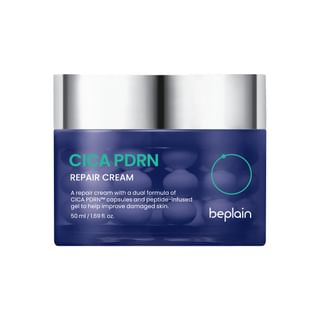
Cica PDRN Repair Cream
beplain
Minimalist cica cream with PDRN for sensitive skin repair, redness relief, and barrier restoration.
$20–28
PDRN Calming Serum
Isntree
Gentle, fast-absorbing PDRN serum formulated with centella and green tea to calm reactive skin while promoting cellular repair.
$25–35
Related Posts
PDRN and the Skin Microbiome: What Science Tells Us
The skin microbiome plays a crucial role in barrier function, immune regulation, and overall skin health. This deep dive explores how PDRN's anti-inflammatory properties may support a healthy microbiome, the role of nucleotides in microbial balance, and how to combine PDRN with prebiotic skincare.
PDRN for Sensitive Skin: Why It's One of the Safest Active Ingredients
Sensitive skin limits which actives you can use — but PDRN is an exception. Learn why PDRN's anti-inflammatory mechanism makes it uniquely suited for reactive, rosacea-prone, and easily irritated skin.
PDRN Supplements: Do Oral PDRN Products Work?
Oral PDRN supplements are growing in popularity, but do they actually work? This guide examines the science, bioavailability, and what to look for.