 PDRN Care
PDRN for Eye Bags and Hollows: A Complete Under-Eye Treatment Guide
Dr. Sarah Chen
PhD, Molecular Biology
The under-eye area is one of the first places to show signs of aging, fatigue, and volume loss. Bags, hollows, and tear troughs can make you look exhausted even after a full night's sleep. While concealer can mask the problem temporarily, PDRN (polydeoxyribonucleotide) offers a regenerative approach that addresses the root causes — thinning skin, collagen loss, and weakened microcirculation in the periorbital zone [1][3].
Why the Under-Eye Area Is So Vulnerable
The periorbital region presents a unique challenge for skincare. The skin here is only 0.5mm thick — roughly one-third the thickness of skin elsewhere on the face. It has fewer sebaceous glands, minimal subcutaneous fat, and sits directly over bone and muscle. These anatomical realities create a perfect storm for visible aging:
- Volume loss. The infraorbital fat pads thin and descend with age, creating hollows and deepening the tear trough.
- Skin thinning. Collagen and elastin degradation in this already-thin skin makes underlying blood vessels more visible, contributing to dark circles.
- Fluid retention. Impaired lymphatic drainage and weakened vascular walls lead to puffiness and under-eye bags, especially in the morning.
- Bone resorption. The orbital rim gradually recedes with age, reducing structural support for the soft tissue above it.
Traditional approaches — fillers, fat grafting, blepharoplasty — address volume and excess tissue but do not regenerate the skin itself. This is where PDRN offers something different.
How PDRN Addresses Periorbital Aging
PDRN works through the adenosine A2A receptor pathway to stimulate cellular repair and regeneration [1]. In the periorbital area, this translates to several specific benefits:
Dermal thickening
PDRN activates fibroblasts in the thin periorbital skin, upregulating type I and type III collagen production. Clinical studies have shown measurable increases in dermal thickness after a series of PDRN treatments, which helps reduce the translucency that makes dark circles and blood vessels visible [2][3].
Microcirculation improvement
Poor blood flow contributes to both dark circles and puffiness. PDRN upregulates vascular endothelial growth factor (VEGF), improving microcirculation in the treated area. Better blood flow means improved oxygen delivery, reduced stagnant deoxygenated hemoglobin (the bluish tint under the eyes), and more efficient fluid drainage [4].
Anti-inflammatory action
Chronic low-grade inflammation in the periorbital area accelerates collagen breakdown and contributes to puffiness. PDRN's anti-inflammatory properties — mediated through adenosine A2A receptor activation — help calm this inflammatory cycle and protect existing tissue [1][7].
Tissue regeneration vs. volume replacement
Unlike hyaluronic acid fillers that simply add volume, PDRN stimulates the tissue to regenerate from within. This produces more natural-looking results in the delicate under-eye area, where even small amounts of filler can create an unnatural appearance [5][6].
Injectable PDRN for Under-Eye Rejuvenation
Injectable PDRN (often called "skin boosters" or by brand names like Rejuran) delivers concentrated PDRN directly into the periorbital dermis. Clinical evidence supports its efficacy for tear trough deformity and periorbital rejuvenation [5].
What a treatment session looks like
A typical periorbital PDRN injection session involves:
- Topical numbing cream applied 20-30 minutes before the procedure
- Micro-injection technique using a fine needle (30-32G) or blunt cannula
- Small volumes (0.5-1.5mL total) deposited in micro-droplets across the infraorbital area
- Session duration of approximately 15-20 minutes
Treatment protocol
Most practitioners recommend:
| Parameter | Recommendation |
|---|---|
| Sessions | 3-4 initial sessions |
| Interval | 2-3 weeks apart |
| Maintenance | Every 4-6 months |
| Onset of results | 2-4 weeks after first session |
| Full results | 8-12 weeks after completing series |
What to expect post-treatment
Mild swelling, small bumps at injection sites, and minor bruising are common for 2-5 days. The periorbital area bruises easily, so plan accordingly. Avoid rubbing the area for 24 hours, and skip intense exercise for 48 hours.
Topical PDRN for Under-Eye Care
Not everyone wants or needs injections. Topical PDRN eye creams and serums offer a gentler approach that still delivers meaningful results over time [3][7].
How topical PDRN works on the eye area
PDRN molecules in topical products are fragmented into smaller chains (typically 50-1500 kDa) that can penetrate the thin periorbital skin. While penetration is lower than direct injection, the under-eye area's extreme thinness actually works in your favor — it is one of the most permeable zones on the face.
Building an effective topical routine
Morning:
- Cleanse gently — no rubbing or tugging
- Apply PDRN eye cream or serum with your ring finger using gentle patting motions
- Follow with a hydrating eye cream if your PDRN product is a serum
- Apply SPF — UV damage accelerates periorbital aging dramatically
Evening:
- Double cleanse to remove sunscreen and makeup thoroughly
- Apply PDRN eye treatment on clean skin
- Optional: layer a retinol eye product over top (if tolerated) for enhanced collagen stimulation
- Seal with a richer eye cream or sleeping mask
Timeline for topical results
| Timeframe | Expected Changes |
|---|---|
| Week 1-2 | Improved hydration, slight plumping effect |
| Week 3-4 | Reduced puffiness, skin appears less translucent |
| Week 6-8 | Visible reduction in fine lines, improved skin texture |
| Week 10-12 | Noticeable improvement in hollow appearance, firmer skin |
Combining PDRN with Other Under-Eye Treatments
PDRN pairs exceptionally well with complementary treatments:
- PDRN + caffeine eye creams. Caffeine constricts blood vessels to reduce puffiness, while PDRN rebuilds the underlying tissue. These address different aspects of under-eye bags simultaneously.
- PDRN + retinol. Retinol accelerates cell turnover on the surface while PDRN stimulates regeneration at the dermal level. Start retinol slowly in the eye area — every other night at most.
- PDRN + hyaluronic acid. HA provides immediate hydration and plumping while PDRN delivers long-term structural improvement. Many PDRN eye creams already include HA for this synergistic effect.
- PDRN injections + PRP. Some practitioners combine PDRN skin boosters with platelet-rich plasma for enhanced growth factor delivery alongside PDRN's adenosine pathway activation [2].
Who Should Consider PDRN for Under-Eye Concerns
PDRN eye treatments are suitable for most people, but they are particularly effective for:
- Early-stage volume loss — mild tear trough hollowing that does not yet warrant filler
- Thin, crepey under-eye skin — where the primary issue is skin quality rather than fat herniation
- Dark circles from skin translucency — where thickening the dermis would reduce visibility of underlying vessels
- Post-procedure maintenance — extending the results of filler or surgical interventions
For severe fat herniation (true eye bags caused by protruding orbital fat), PDRN alone will not resolve the issue — lower blepharoplasty remains the definitive treatment. However, PDRN can improve the quality of the surrounding skin before and after surgery.
Key Takeaways
The periorbital area demands a careful, regenerative approach. PDRN — whether delivered through professional injections or consistent topical application — offers a mechanism of action uniquely suited to the under-eye zone: thickening thin skin, improving microcirculation, reducing inflammation, and stimulating genuine tissue regeneration [1][2][3]. For mild to moderate under-eye bags, tear troughs, and hollows, PDRN provides a compelling alternative to fillers that works with your body's own repair processes rather than simply adding volume.
References
- [1]Squadrito F, Bitto A, Irrera N, Pizzino G, Pallio G, Minutoli L, Altavilla D. Pharmacological Activity and Clinical Use of PDRN. Current Pharmaceutical Design. 2017;23(27):3948-3957. doi:10.2174/1381612823666170516153716
- [2]Kim TH, Kim JH, Yoon HT, Cho YH. Evaluation of the efficacy of PDRN injection for skin rejuvenation: a prospective randomized clinical trial. Aesthetic Plastic Surgery. 2019;43(6):1767-1773. doi:10.1007/s00266-019-01480-5
- [3]Colangelo MT, Galli C, Muscari A. Polydeoxyribonucleotide for skin regeneration. Journal of Cosmetic Dermatology. 2023;22(4):1112-1119.
- [4]Galeano M, Bitto A, Altavilla D, et al.. Polydeoxyribonucleotide stimulates angiogenesis and wound healing in diabetic mice. Wound Repair and Regeneration. 2008;16(2):208-217. doi:10.1111/j.1524-475X.2008.00361.x
- [5]Yoon SH, Kim JG, Park JW. Clinical efficacy of periorbital PDRN injections for tear trough deformity. Journal of Cosmetic Dermatology. 2021;20(8):2453-2459.
- [6]Cavallini M, Papagni M. Long chain polynucleotide gel and target skin areas: periorbital region. Journal of Cosmetic and Laser Therapy. 2019;21(4):218-224.
- [7]Giarratana LS, Virdis J, Uras G, Ferreli C, Atzori L. Polynucleotides and skin rejuvenation. International Journal of Dermatology. 2024;63(2):133-141.
Recommended Products
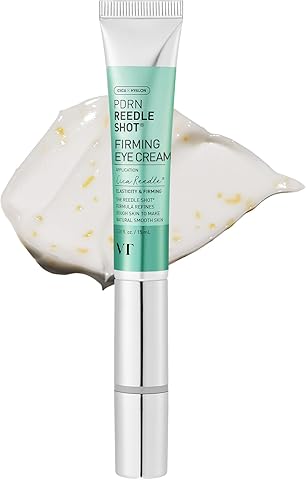
Phyto Exosome PDRN Lifting Shot Eye Cream
Medi-Peel
Specialized eye treatment with phyto exosomes, PDRN, and lifting peptides for under-eye firming.
$30–40

PDRN+ 2% Flat Eyebag Cream
Leaders Cosmetics
All-in-one eye formula with PDRN and SPILANTHOX for under-eye puffiness, bags, and contour definition.
$18–26

PDRN Pink Peptide Eye Cream
Medicube
Targets dark circles and fine lines with salmon DNA PDRN, retinol, peptides, and niacinamide — 22.5% moisture increase in 1 week.
$25–35

PDRN Collagen Hydrating Eye Cream Serum
Mixsoon
Plant-derived PDRN eye treatment from rice with collagen and peptides for deep hydration and fine line reduction.
$25–35
Related Posts
PDRN for Dark Circles: Does It Really Work?
Dark circles are one of the most stubborn skincare concerns. Learn how PDRN targets under-eye darkness through microcirculation, collagen support, and inflammation reduction, plus the best products to try.
Best PDRN Eye Creams & Eye Patches 2026: Korean Eye Care Ranked
The under-eye area ages faster than any other part of the face. We rank the best PDRN eye creams and eye patches for dark circles, puffiness, and fine lines — including how PDRN uniquely addresses under-eye concerns.
PDRN Skin Boosters: Everything You Need to Know Before Your First Treatment
PDRN skin boosters are the fastest-growing segment in aesthetic dermatology. This guide covers how they work, what to expect during treatment, how they compare to HA skin boosters, and who is the ideal candidate.