 PDRN Care
PDRN for Joint Health and Cartilage Repair: Beyond Skincare
Dr. Sarah Chen
PhD, Molecular Biology
PDRN Beyond the Skin
Most people encounter PDRN through the skincare world, where it has become a cornerstone ingredient in Korean beauty products and aesthetic medicine. But the biological mechanisms that make PDRN effective for skin rejuvenation, namely A2A receptor activation, nucleotide supply for tissue repair, anti-inflammatory signaling, and angiogenesis promotion, are not skin-specific. These same processes are fundamental to healing and regeneration throughout the body, and the field of orthopedic medicine has been exploring PDRN's potential for joint health with increasingly compelling results .
This article examines the science behind PDRN's applications in joint health and cartilage repair, areas where its regenerative properties may have even more profound clinical impact than in dermatology.
How Joints Degenerate
To understand how PDRN helps joints, it is important to understand what goes wrong in joint disease.
Cartilage breakdown
Articular cartilage, the smooth tissue covering the ends of bones in a joint, has extremely limited self-repair capacity. It contains no blood vessels, no nerves, and a sparse population of chondrocytes (cartilage cells) embedded in an extracellular matrix of type II collagen and proteoglycans. When cartilage is damaged by injury, overuse, or age-related degeneration, the chondrocytes cannot proliferate fast enough to repair the damage. The result is progressive cartilage thinning, eventually leading to bone-on-bone contact .
Chronic inflammation
Osteoarthritis, the most common joint disease, involves a chronic inflammatory cycle. Cartilage degradation products activate synovial cells, which release pro-inflammatory cytokines including TNF-alpha, IL-1beta, and IL-6. These cytokines further accelerate cartilage breakdown, creating a self-perpetuating cycle of inflammation and destruction. The synovial membrane becomes inflamed and thickened, producing excess fluid that causes joint swelling .
Reduced blood supply
The tissues surrounding an arthritic joint often have compromised microcirculation. Reduced blood flow means less oxygen and fewer nutrients reach the joint capsule, synovium, and periarticular tissues, further limiting the body's capacity for repair .
PDRN's Mechanisms in Joint Health
PDRN addresses each of these pathological processes through its established biological mechanisms.
Anti-inflammatory action via A2A receptor
The adenosine A2A receptor pathway that PDRN activates is one of the most important anti-inflammatory mechanisms in the body. In joint tissue, A2A activation on synovial macrophages and chondrocytes reduces the production of TNF-alpha, IL-1beta, and IL-6, the key cytokines driving osteoarthritic inflammation .
A landmark study demonstrated that PDRN significantly reduced the severity of collagen-induced arthritis in an animal model, with treated subjects showing markedly lower inflammatory markers and less cartilage destruction than controls . The anti-inflammatory effect was comparable to established arthritis treatments, with the important advantage of also promoting tissue repair rather than merely suppressing symptoms.
Chondrocyte support
Chondrocytes, like fibroblasts in the skin, require nucleotides for DNA synthesis during cell division and for producing the mRNA that encodes cartilage matrix proteins. PDRN provides these nucleotides through the salvage pathway, reducing the metabolic cost of chondrocyte proliferation and matrix production . In a joint environment where chondrocytes are already metabolically stressed, this supplementation can make the difference between net cartilage loss and stabilization or gradual repair.
Angiogenesis in periarticular tissues
While cartilage itself is avascular, the surrounding tissues, including the synovial membrane, subchondral bone, and periarticular soft tissues, depend on blood supply for healing. PDRN's ability to upregulate VEGF and promote new capillary formation improves oxygen and nutrient delivery to these supporting structures . Better periarticular blood flow supports the overall joint environment and may indirectly benefit cartilage health by improving the composition of synovial fluid.
Nucleotide supplementation for tissue repair
Beyond chondrocyte support, PDRN provides building blocks for repair of all joint-related tissues: tendons, ligaments, synovial membrane, and subchondral bone. Each of these tissues contains cells that benefit from enhanced nucleotide availability during repair processes .
Clinical Evidence for PDRN in Joint Conditions
Osteoarthritis
Multiple clinical studies have examined intra-articular PDRN injection for knee osteoarthritis. The results consistently show improvement in pain scores, joint function, and inflammatory markers compared to placebo injections. PDRN injection has demonstrated efficacy comparable to hyaluronic acid injection (the current standard for viscosupplementation) with the added benefit of active tissue repair rather than purely mechanical lubrication .
The anti-inflammatory effects are measurable: synovial fluid analysis after PDRN injection shows reduced concentrations of pro-inflammatory cytokines and degradative enzymes (matrix metalloproteinases) that break down cartilage .
Plantar fasciitis
A randomized clinical trial comparing PDRN injection to saline injection for chronic plantar fasciitis demonstrated significantly greater pain reduction and functional improvement in the PDRN group . Plantar fasciitis involves chronic inflammation and degeneration of the plantar fascia, a condition that shares pathological features with joint degeneration. The study found that PDRN reduced pain visual analog scale scores by more than 50 percent, with improvements maintained at follow-up.
Tendinopathy
Chronic tendon disorders, including rotator cuff tendinopathy and Achilles tendinopathy, involve similar degenerative processes: chronic inflammation, reduced blood supply, and impaired tissue repair. PDRN injection into affected tendons has shown promising results in early clinical studies, with improvements in pain, function, and imaging-based measures of tendon quality .
Post-surgical joint recovery
After joint surgery, including arthroscopy and ligament reconstruction, tissue healing determines functional outcomes. PDRN injection during or after surgery may accelerate healing of repaired tissues through the same mechanisms that benefit wound healing in dermatology: nucleotide supply, anti-inflammatory modulation, and angiogenesis .
PDRN vs. Other Joint Health Treatments
PDRN vs. hyaluronic acid injection
Hyaluronic acid (HA) injection is the established standard for knee osteoarthritis viscosupplementation. HA works primarily as a lubricant, improving the mechanical properties of synovial fluid and providing a cushioning effect. It does not actively repair cartilage or address the underlying inflammatory process in a sustained manner.
PDRN works through biological mechanisms rather than mechanical ones. It reduces inflammation, stimulates tissue repair, and promotes angiogenesis. Some clinicians now combine PDRN and HA injections to achieve both mechanical and biological benefits simultaneously .
PDRN vs. PRP (platelet-rich plasma)
PRP delivers a concentrated cocktail of growth factors from the patient's own blood. These growth factors stimulate tissue repair and modulate inflammation. The challenge with PRP is variability: the growth factor concentration depends on the patient's platelet count, the preparation method, and other factors that are difficult to standardize.
PDRN offers a standardized, reproducible treatment with a well-characterized mechanism of action. Unlike PRP, its efficacy does not depend on the patient's own biology. PDRN and PRP can also be combined, with PRP providing growth factor signals and PDRN providing the nucleotide building blocks for cells to respond to those signals .
PDRN vs. corticosteroid injection
Corticosteroid injection provides powerful anti-inflammatory relief but does not promote tissue repair. In fact, repeated corticosteroid injection can accelerate cartilage degradation and weaken tendons. PDRN provides anti-inflammatory benefits without these destructive side effects and simultaneously supports tissue regeneration .
Current Limitations and Future Directions
While the evidence for PDRN in joint health is encouraging, several important caveats apply.
Limited large-scale trials
Most studies on PDRN for joint conditions involve relatively small patient populations. Larger randomized controlled trials are needed to definitively establish optimal dosing, frequency, and long-term outcomes for joint applications .
Cartilage regeneration vs. cartilage preservation
PDRN has clearly demonstrated the ability to reduce inflammation, slow cartilage breakdown, and support tissue repair. Whether it can regenerate cartilage that has already been lost, rather than simply preserving what remains, is less certain. The avascular nature of cartilage makes true regeneration exceptionally challenging regardless of the treatment approach .
Topical vs. injectable for joints
Unlike dermatology, where topical PDRN has meaningful applications, joint conditions require injectable delivery. Topical PDRN applied to the skin over a joint cannot penetrate to the joint capsule in therapeutic concentrations. Joint-targeted PDRN treatment is therefore a clinical procedure, not a home remedy .
Regulatory status
PDRN injection for joint conditions is approved and widely used in some countries, particularly in South Korea and Italy, where it originated. In other markets, it may be used off-label or be unavailable. Regulatory status varies, and patients should consult with qualified orthopedic or sports medicine specialists .
What This Means for Skincare Users
If you are already using PDRN for skincare, understanding its joint health applications provides broader context for the ingredient's biological significance. PDRN is not merely a cosmetic ingredient; it is a pharmacologically active biological molecule with documented therapeutic effects across multiple organ systems .
For those with both skin aging concerns and joint issues, it is worth noting that injectable PDRN treatments in dermatology and orthopedics use the same core molecule. The difference lies in the delivery site and concentration, not the mechanism of action. This cross-disciplinary validation strengthens the scientific credibility of PDRN as a regenerative agent .
Frequently Asked Questions
Can topical PDRN skincare products help my joint pain?
No. Topical PDRN products are designed for skin penetration and cannot reach joint structures in therapeutic concentrations. Joint-targeted PDRN treatment requires intra-articular injection by a qualified physician .
Is PDRN injection for joints the same product as Rejuran for skin?
The active molecule is the same (polydeoxyribonucleotide), but the formulations, concentrations, and regulatory approvals differ. Joint injections use preparations specifically designed and approved for intra-articular use. Do not use dermatologic PDRN products for joint injection .
How does PDRN compare to glucosamine and chondroitin supplements?
Oral glucosamine and chondroitin are widely used but have mixed evidence for efficacy. They work by providing precursors for cartilage matrix production. PDRN works through a completely different mechanism (A2A receptor activation, nucleotide supply, anti-inflammatory effects) and is administered by injection directly to the affected joint. The two approaches are not interchangeable but could theoretically complement each other .
Is PDRN joint treatment covered by insurance?
Coverage varies by country and insurance plan. In South Korea, where PDRN joint injection is well-established, some insurance plans cover the treatment for documented osteoarthritis. In other markets, it may be considered an elective or investigational treatment. Check with your insurer and treating physician .
References
- [1]Squadrito F, Bitto A, Irrera N, Pizzino G, Pallio G, Minutoli L, Altavilla D. Pharmacological Activity and Clinical Use of PDRN. Current Pharmaceutical Design. 2017;23(27):3948-3957. doi:10.2174/1381612823666170516153716
- [2]Kim JK, Chung JY. Effectiveness of polydeoxyribonucleotide injection versus normal saline injection for treatment of chronic plantar fasciitis: a prospective randomized clinical trial. Annals of Rehabilitation Medicine. 2015;39(5):741-748. doi:10.5535/arm.2015.39.5.741
- [3]Veronesi F, Dallari D, Sabbioni G, Carubbi C, Martini L, Fini M. Polydeoxyribonucleotides (PDRNs) From Biological to Pharmacological Activities. Current Pharmaceutical Design. 2017;23(27):3973-3981. doi:10.2174/1381612823666170628095040
- [4]Bitto A, Polito F, Irrera N, D'Ascola A, Avenoso A, Nastasi G, Campo GM, Micali A, Squadrito F, Altavilla D. Polydeoxyribonucleotide reduces cytokine production and the severity of collagen-induced arthritis. Immunology. 2011;134(3):339-348. doi:10.1111/j.1365-2567.2011.03492.x
- [5]Galeano M, Bitto A, Altavilla D, Minutoli L, Polito F, Calo M. Polydeoxyribonucleotide stimulates angiogenesis and wound healing. Wound Repair and Regeneration. 2008;16(2):208-217. doi:10.1111/j.1524-475X.2008.00361.x
Recommended Products

Rejuran Healer
Pharmaresearch Products
The original Korean PDRN skin booster — c-PDRN derived from salmon DNA for skin rejuvenation and barrier repair.
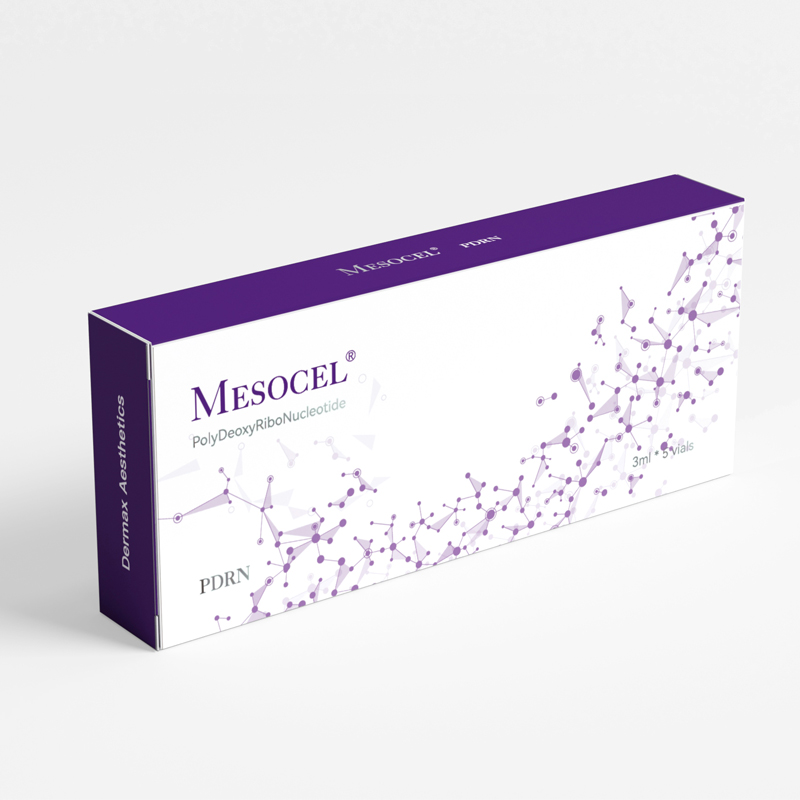
PDRN Mesotherapy Injection
Mesocel
Advanced mesotherapy solution with PDRN and 36 active ingredients for comprehensive skin rejuvenation by injection.
$150–400 per session

Nucleofill Medium
Promoitalia
High-concentration polynucleotide gel for deep skin biorestructuring — Italian-engineered PN technology for tissue regeneration.
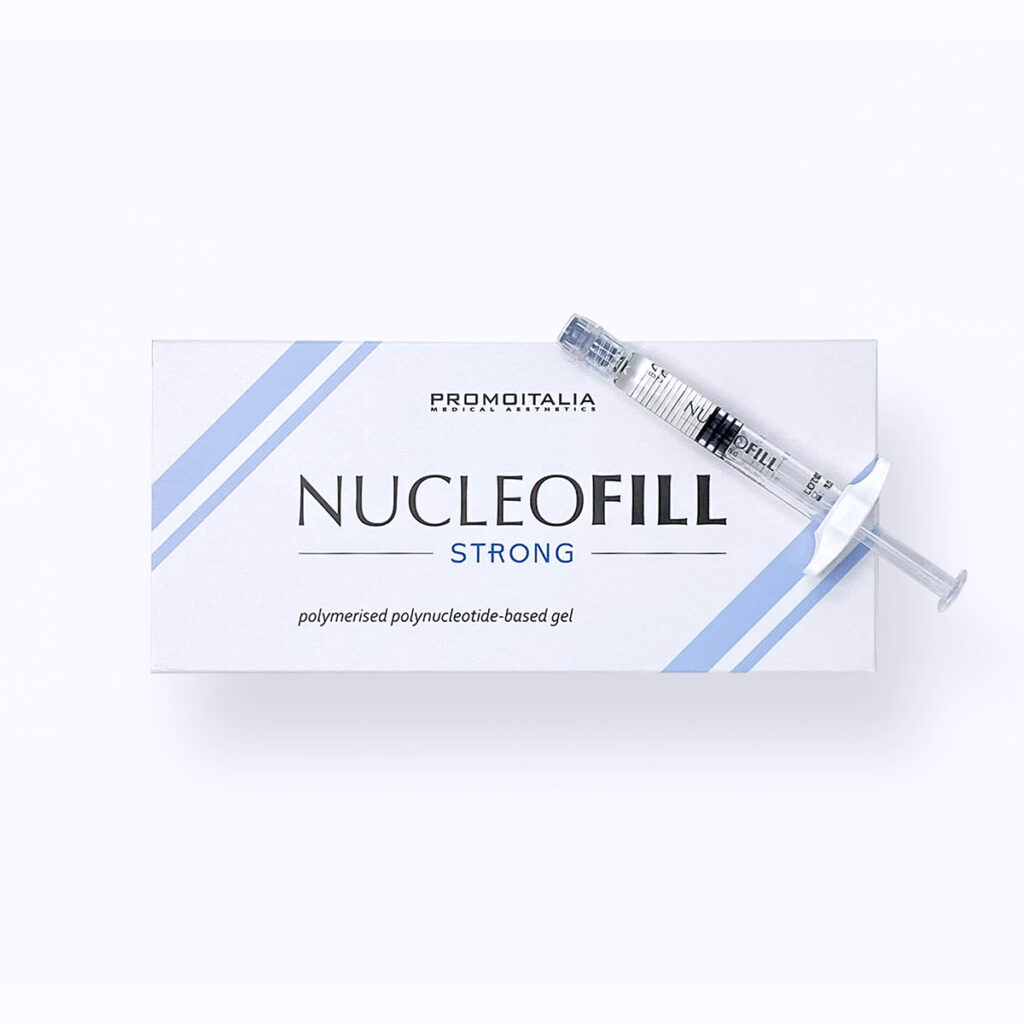
Nucleofill Strong
Promoitalia
High-concentration PDRN gel for professional use — 25mg/mL polynucleotide concentration for intensive rejuvenation.
$200–450 per session
Related Posts
What is PDRN? The Complete Guide to Salmon DNA Skincare
PDRN (Polydeoxyribonucleotide) is a DNA-derived skincare ingredient extracted from salmon. Learn what PDRN means, how it works, its benefits for skin, and the different product types available.
PDRN Side Effects: Is Salmon DNA Skincare Safe?
A comprehensive look at the safety profile of PDRN in both injectable and topical forms. We cover known side effects, contraindications, allergy considerations, and what the clinical evidence says about long-term safety.
PDRN Concentration Levels Explained: How Much PDRN Do You Need?
Not all PDRN products contain the same concentration. From 1% topical serums to clinical-grade injectables, the amount of PDRN matters for results. Here's what the science says about optimal concentrations.