 PDRN Care
PDRN for Under-Eye Hollows: Topical & Injectable Options
Dr. Sarah Chen
PhD, Molecular Biology
Understanding Under-Eye Hollows
Under-eye hollows — clinically known as tear trough deformity — occur when the thin skin beneath the eye sinks inward, creating a shadow that runs from the inner corner of the eye toward the cheek. Unlike eye bags, which involve puffiness from protruding fat pads, hollows represent a deficit: lost volume, thinned skin, or both.
The periorbital region is anatomically predisposed to this problem. The skin here is only 0.5mm thick — roughly a third of the thickness elsewhere on the face. It contains fewer oil glands, less subcutaneous fat, and sits directly over bone. As we age, three simultaneous processes deepen the hollows: orbital fat pads thin and descend, dermal collagen degrades, and the underlying orbital bone gradually resorbs. The result is a concavity that makes people look tired, aged, or unwell even after adequate sleep.
Traditional solutions — hyaluronic acid filler, fat grafting — add volume to fill the depression. These work, but they do not address the fundamental tissue quality problem. PDRN offers a different approach: rather than filling the hollow, it stimulates the skin to regenerate from within, thickening the dermis and improving the tissue quality that created the hollow in the first place [1][3].
How PDRN Works in the Periorbital Area
PDRN activates the adenosine A2A receptor, triggering a cascade of cellular responses that are particularly valuable in the thin periorbital skin [1]:
Collagen stimulation. PDRN upregulates fibroblast activity, increasing the production of type I and type III collagen. In under-eye skin that has become paper-thin and translucent, even modest collagen increases can visibly reduce the depth of hollows and the visibility of underlying blood vessels [3].
Microcirculation improvement. PDRN promotes vascular endothelial growth factor (VEGF) expression, improving blood flow in the treated area. Better microcirculation means improved tissue oxygenation, reduced stagnant deoxygenated hemoglobin (the bluish-purple tint that worsens hollow appearance), and more efficient nutrient delivery to support tissue regeneration [4].
Anti-inflammatory action. The periorbital area is prone to chronic low-grade inflammation from environmental exposure, allergies, and mechanical stress (rubbing, squinting). PDRN's anti-inflammatory properties through the A2A pathway help interrupt this cycle, protecting existing collagen from inflammatory degradation [1].
Tissue regeneration over volume replacement. Unlike fillers that displace tissue outward, PDRN stimulates genuine tissue regeneration — new collagen fibers, improved extracellular matrix, and healthier cellular turnover. In the delicate under-eye area where even 0.1mL of filler can look unnatural, regenerative thickening produces subtler, more natural-looking results [2][3].
Injectable PDRN for Under-Eye Hollows
Injectable PDRN — delivered as skin booster treatments by trained practitioners — provides the most direct and concentrated delivery of PDRN to the periorbital dermis. Clinical data supports its efficacy for tear trough improvement, particularly in patients with mild-to-moderate hollowing where the primary issue is skin quality rather than deep volumetric loss [2].
Treatment protocol
A typical course involves 3-4 sessions spaced 2-3 weeks apart. The practitioner injects micro-droplets of PDRN gel into the superficial dermis of the infraorbital area using a fine needle (30-32G) or blunt cannula. Total volume per session is small — typically 0.5-1.0mL per side — because the periorbital tissue cannot accommodate large volumes without creating visible bumps.
What to expect
Results develop gradually. Unlike hyaluronic acid filler that provides immediate volume correction, PDRN requires time to stimulate collagen production and tissue remodeling. Most patients notice initial improvement at 3-4 weeks, with progressive results continuing for 8-12 weeks after the final session. Maintenance sessions every 4-6 months sustain the improvement.
Downtime
Expect mild swelling, small wheals at injection sites, and possible bruising for 3-5 days. The periorbital area bruises easily due to its rich blood supply and thin skin. Avoid aspirin, fish oil, and alcohol for 48 hours before treatment to minimize bruising risk. No rubbing or pressure on the area for 24 hours post-treatment.
When injectable PDRN is most appropriate
- Mild-to-moderate tear trough deformity where skin thinning is the primary contributor
- Patients who want natural-looking improvement without the risks of filler migration
- As a complement to conservative HA filler — PDRN improves skin quality while filler addresses volume
- Post-surgical maintenance after lower blepharoplasty to maintain skin quality
Topical PDRN for Under-Eye Hollows
Not everyone is ready for injections, and topical PDRN eye products offer a meaningful non-invasive alternative. While penetration is lower than direct injection, the periorbital skin's extreme thinness works in your favor — it is one of the most permeable zones on the face, allowing smaller PDRN fragments to reach the dermis more effectively than thicker skin elsewhere would [3].
Building a topical routine
Morning:
- Cleanse gently — never tug or rub the eye area
- Pat a PDRN eye cream onto the orbital bone using your ring finger (lightest pressure)
- Allow 60 seconds absorption before applying moisturizer
- Always apply sunscreen — UV damage is the primary accelerator of periorbital aging
Evening:
- Remove makeup and sunscreen thoroughly with a gentle eye-specific cleanser or micellar water
- Apply PDRN eye serum or cream on clean skin — the evening dose benefits from overnight contact time
- Optional: layer a retinol eye product on top if tolerated (start with every other night)
- Seal with a richer eye cream or sleeping mask to create occlusion
Realistic timeline
| Timeframe | What to Expect |
|---|---|
| Week 1-2 | Improved hydration, slight plumping from moisture retention |
| Week 4-6 | Skin appears less translucent, fine lines begin softening |
| Week 8-10 | Measurable firmness improvement, reduced shadow depth |
| Week 12+ | Cumulative collagen remodeling produces visible hollow reduction |
Topical PDRN will not deliver the same magnitude of improvement as injectable treatment for moderate-to-severe hollows. But for mild hollowing, early-stage prevention, or maintaining results from professional treatments, consistent topical use produces genuine, measurable changes over time [3].
Topical vs. Injectable: How to Decide
| Factor | Topical PDRN | Injectable PDRN |
|---|---|---|
| Best for | Mild hollows, prevention, maintenance | Moderate hollows, faster results |
| Onset | 8-12 weeks for visible change | 3-4 weeks for initial results |
| Commitment | Daily application, ongoing | 3-4 sessions, then maintenance |
| Cost | $20-50 per product (months of use) | $200-500 per session |
| Downtime | None | 3-5 days of mild swelling/bruising |
| Maintenance | Continuous daily use | Every 4-6 months |
Many people combine both approaches: injectable PDRN sessions for initial improvement, followed by daily topical PDRN to maintain and extend the results between professional treatments.
Complementary Strategies
PDRN works best for under-eye hollows when combined with supportive approaches:
Sleep position. Sleeping face-down compresses the periorbital area for hours nightly, accelerating volume loss. Side and back sleeping reduces mechanical stress on the under-eye tissue.
Sun protection. UV damage is the single greatest accelerator of periorbital collagen loss. Wear sunglasses with UV protection and apply SPF daily — even in winter, even on cloudy days.
Caffeine eye products. Caffeine constricts superficial blood vessels, temporarily reducing the dark coloration that makes hollows more visible. Use alongside PDRN for both immediate cosmetic improvement (caffeine) and long-term structural repair (PDRN).
Lifestyle factors. Chronic sleep deprivation, dehydration, high sodium intake, and excessive alcohol consumption all worsen under-eye hollows by promoting fluid imbalance, inflammation, and collagen degradation. No skincare product can fully compensate for consistently poor habits.
Key Takeaways
Under-eye hollows are fundamentally a tissue quality problem — thin skin, degraded collagen, poor microcirculation. PDRN addresses these root causes through genuine biological regeneration rather than cosmetic camouflage or volumetric displacement [1][2][3]. Whether you choose topical PDRN eye creams for gentle, cumulative improvement or injectable PDRN skin boosters for more direct results, the mechanism is the same: stimulating the periorbital skin to rebuild itself from within. For most people, the best approach combines both — professional treatments to establish improvement, daily topical PDRN to maintain and extend it.
References
- [1]Squadrito F, Bitto A, Irrera N, et al.. Pharmacological Activity and Clinical Use of PDRN. Curr Pharm Des. 2017;23(27):3948-3957. doi:10.2174/1381612823666170516153716
- [2]Cavallini M, Papagni M. Long chain polynucleotide gel and target skin areas: periorbital region. J Cosmet Laser Ther. 2019;21(4):218-224. doi:10.1080/14764172.2018.1525751
- [3]Colangelo MT, Galli C, Giannelli M. Polydeoxyribonucleotide: A Promising Biological Platform for Dermal Regeneration. Curr Pharm Des. 2020;26(17):2049-2056. doi:10.2174/1381612826666200116150912
- [4]Galeano M, Bitto A, Altavilla D, et al.. Polydeoxyribonucleotide stimulates angiogenesis and wound healing in the genetically diabetic mouse. Wound Repair Regen. 2008;16(2):208-217. doi:10.1111/j.1524-475X.2008.00361.x
Recommended Products
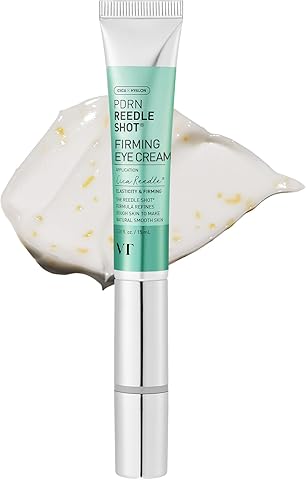
Phyto Exosome PDRN Lifting Shot Eye Cream
Medi-Peel
Specialized eye treatment with phyto exosomes, PDRN, and lifting peptides for under-eye firming.
$30–40

PDRN Pink Peptide Eye Cream
Medicube
Targets dark circles and fine lines with salmon DNA PDRN, retinol, peptides, and niacinamide — 22.5% moisture increase in 1 week.
$25–35

PDRN+ 2% Flat Eyebag Cream
Leaders Cosmetics
All-in-one eye formula with PDRN and SPILANTHOX for under-eye puffiness, bags, and contour definition.
$18–26

PDRN Collagen Hydrating Eye Cream Serum
Mixsoon
Plant-derived PDRN eye treatment from rice with collagen and peptides for deep hydration and fine line reduction.
$25–35
Related Posts
PDRN for Eye Bags and Hollows: A Complete Under-Eye Treatment Guide
Under-eye bags, tear troughs, and periorbital hollows are among the most stubborn signs of aging. Discover how PDRN — both injectable and topical — can rejuvenate the delicate periorbital area through tissue regeneration rather than simple filler volume.
PDRN for Dark Circles: Does It Really Work?
Dark circles are one of the most stubborn skincare concerns. Learn how PDRN targets under-eye darkness through microcirculation, collagen support, and inflammation reduction, plus the best products to try.
Best PDRN Eye Creams & Eye Patches 2026: Korean Eye Care Ranked
The under-eye area ages faster than any other part of the face. We rank the best PDRN eye creams and eye patches for dark circles, puffiness, and fine lines — including how PDRN uniquely addresses under-eye concerns.