 PDRN Care
The Best PDRN Skincare Routine for Your 60s and Beyond
Dr. Sarah Chen
PhD, Molecular Biology
Why Your 60s Skin Is Biologically Different
The skin you live in at 60 is not simply an older version of the skin you had at 50. It is a structurally and functionally distinct organ. By your 60s, the dermis has thinned by approximately 20% compared to middle age, and the rate of thinning continues at roughly 6% per decade . Fibroblast density — the number of collagen-producing cells per unit area of dermis — has declined sharply, and the fibroblasts that remain are smaller, mechanically collapsed, and far less responsive to growth factor signaling than they were even a decade ago . In practical terms, your skin's factory floor has fewer workers, smaller equipment, and slower production lines.
Cumulative photodamage, which has been accumulating since childhood, now overlays the intrinsic aging process in ways that are difficult to separate clinically. Solar elastosis — the replacement of organized elastic fibers with tangled, dysfunctional elastotic material — is nearly universal in sun-exposed skin by the seventh decade . Lentigines, telangiectasia, and textural irregularities reflect decades of UV-driven matrix metalloproteinase (MMP) activation that has degraded collagen and elastin far beyond what chronological aging alone would produce.
Reduced sebum and chronic barrier fragility
Sebaceous gland output, which began declining in the 50s, reaches critically low levels by the 60s. The skin produces less than half the sebum it did at age 30 . This is not merely a cosmetic inconvenience — sebum is a key component of the lipid barrier that prevents transepidermal water loss (TEWL). Without adequate sebum, the stratum corneum becomes brittle, micro-cracked, and chronically dehydrated. This barrier fragility creates a vicious cycle: increased TEWL triggers low-grade inflammation, which upregulates MMPs, which accelerates the breakdown of whatever collagen the dermis still contains.
Fragile capillaries and impaired microcirculation
The dermal microvasculature deteriorates significantly by the 60s. Capillary walls thin, become fragile, and are prone to rupture — a phenomenon visible as senile purpura, the purple bruises that appear on forearms and hands with minimal trauma . Beyond the cosmetic concern, reduced microcirculation means less oxygen and fewer nutrients reach the dermal fibroblasts. This supply-line failure is one reason fibroblasts become sluggish: even when they receive a regenerative signal, they may lack the metabolic resources to respond.
Impaired wound healing
All of these changes converge on a single critical outcome: wound healing in the 60s is substantially slower and less complete than at younger ages . A minor abrasion that healed in three days at 40 may take a week or more at 65. This has direct implications for skincare — any product or treatment that causes irritation, micro-tears, or barrier disruption will take longer to recover from, and the period of vulnerability is extended. Aggressive protocols that worked in earlier decades are no longer appropriate.
Why PDRN Is Uniquely Suited for Skin in Your 60s
Most anti-aging active ingredients rely on cellular machinery that has deteriorated by the 60s. Retinoids require robust fibroblast populations to execute the collagen gene transcription they stimulate. Growth factor serums depend on receptor densities that decline with age. Peptide signals need responsive target cells. PDRN, however, offers something different — a mechanism of action that remains effective even in the context of aged, depleted skin.
PDRN works through two complementary pathways. First, it activates adenosine A2A receptors on fibroblasts, triggering intracellular signaling cascades that promote collagen synthesis, reduce inflammation, and stimulate angiogenesis — all through a receptor pathway that functions independently of hormonal signaling . This is critical in the 60s, when both estrogen (in women) and testosterone (in men) have been at post-decline baseline for years. PDRN does not need hormonal support to work.
Second, PDRN provides nucleotide building blocks through the pyrimidine salvage pathway, effectively supplying the raw materials that aged fibroblasts need for DNA repair and cellular replication . In younger skin, cells synthesize nucleotides efficiently de novo. In the 60s, the salvage pathway — which recycles pre-formed nucleotides — becomes the more energy-efficient route, and PDRN feeds directly into it.
Perhaps most relevant for 60s skin, PDRN has documented pro-angiogenic effects. By upregulating vascular endothelial growth factor (VEGF), PDRN helps restore the microvascular supply lines that keep fibroblasts nourished and functional . In a decade defined by capillary fragility and reduced blood flow to the dermis, this vascular support may be as important as the direct fibroblast stimulation.
The result is an active ingredient that addresses the specific biological deficits of 60s skin — fibroblast sluggishness, nucleotide scarcity, vascular insufficiency, and chronic low-grade inflammation — through gentle, receptor-mediated mechanisms rather than the aggressive cellular turnover demanded by retinoids or chemical exfoliants.
Morning Routine: Gentle Nourishment and Daily Protection
The morning routine for your 60s prioritizes three goals: cleanse without stripping, deliver sustained PDRN stimulation in a nourishing vehicle, and protect against UV damage with mineral sunscreen. Every step should be gentle. Friction, tugging, and harsh surfactants are your enemies.
Step 1: Non-Foaming Cream Cleanser
Foaming cleansers are entirely off the table in your 60s. Even the mildest sulfate-free foaming formulas strip too much lipid from a barrier that is already critically compromised. Use a cream, balm, or oil-based cleanser with a pH of 5.0-5.5. Apply it with flat palms in slow, circular motions — never use a washcloth, brush, or any mechanical tool on 60s skin. Rinse with lukewarm water only. Hot water increases TEWL and can trigger capillary flushing that takes hours to resolve in fragile skin. On mornings when your skin feels comfortable from overnight products and no heavy residue is present, you may simply rinse with water and skip the cleanser entirely.
Step 2: Hydrating Essence or Toner
Apply a hydrating toner or essence to damp skin immediately after cleansing. This step creates the hydrated substrate that PDRN needs for optimal penetration. Look for formulations containing hyaluronic acid (multi-molecular weight), panthenol, and beta-glucan. Pat multiple thin layers into the skin rather than applying a single thick layer — aged skin absorbs thin layers more effectively. A PDRN-infused essence delivers an initial wave of nucleotide signaling while prepping the skin for the concentrated steps to follow.
Step 3: PDRN Serum (Higher Concentration)
Apply a concentrated PDRN serum — ideally one containing 3% or higher PDRN concentration — to face, neck, and decolletage. In your 60s, the morning PDRN application should use the highest-concentration serum available because the reduced fibroblast density means each cell needs a stronger signal to respond . Apply 4-5 drops and press into the skin with flat palms using gentle, sustained pressure for 30-60 seconds. Do not rub or drag the product across the skin surface.
Step 4: Rich Moisturizer with Ceramides and Peptides
Layer a rich cream over the PDRN serum. In your 60s, the moisturizer is not a passive occlusive — it is an active treatment step. Choose a formulation that contains ceramides (to rebuild the depleted lipid barrier), peptides such as palmitoyl pentapeptide-4 or copper peptide GHK-Cu (to provide additional fibroblast stimulation through pathways complementary to PDRN), and emollient lipids like squalane or shea butter . A product like Rejuran Nutritive Cream or Isntree GIM PDRN Firming Cream delivers PDRN alongside barrier-supporting lipids, combining regenerative signaling with the nourishment that 60s skin requires at every step.
Apply generously to face, neck, and decolletage. Use pressing motions rather than rubbing — the skin in your 60s is thin enough that habitual rubbing can cause cumulative mechanical damage to an already fragile dermis.
Step 5: SPF 50 Mineral Sunscreen
Sun protection in your 60s is more important than ever, despite the common misconception that "the damage is already done." UV exposure continues to activate MMPs that degrade existing collagen, and the skin's capacity to repair UV-induced DNA damage is significantly diminished . Every unprotected day of sun exposure actively undermines the collagen-building work your PDRN routine is doing.
Use a broad-spectrum SPF 50+ mineral sunscreen containing zinc oxide and/or titanium dioxide. Mineral formulations are strongly preferred for 60s skin because they sit on the surface rather than absorbing into thin, sensitive skin, and they provide immediate protection without chemical processing. Choose a moisturizing formula — matte, oil-control sunscreens will exacerbate the dryness that defines this decade. Apply generously to face, neck, ears, and the backs of your hands.
Evening Routine: Deep Repair and Barrier Recovery
The evening routine is where your 60s protocol does its most important work. Without UV to contend with, you can focus entirely on delivering PDRN at maximum concentration and sealing the skin in a protective, occlusive environment that supports overnight repair. Fibroblast activity peaks during sleep, making the overnight hours the most productive window for regenerative signaling .
Step 1: Oil or Balm Cleanser
Begin with an oil-based cleanser or cleansing balm to dissolve sunscreen and accumulated environmental debris. Massage gently for 60 seconds, then rinse with lukewarm water. If your skin feels adequately clean after this single step, skip the second cleanse. The traditional double-cleanse protocol can be too much for 60s skin — the goal is thorough removal of sunscreen without stripping. If residue remains, follow with a cream cleanser, but assess nightly whether one pass is sufficient.
Step 2: PDRN Serum or Ampoule
Apply your most concentrated PDRN product. In your 60s, the evening PDRN application is the anchor of your entire routine. Choose an ampoule or serum with the highest PDRN concentration available and apply generously — 5-6 drops to face and neck . Press into the skin with sustained palm pressure. On this step, patience matters: hold your palms against your skin for a full 60 seconds to drive absorption through body heat and gentle pressure.
The anti-inflammatory properties of PDRN through A2A receptor activation are particularly valuable in the evening, calming the low-grade chronic inflammation that contributes to ongoing collagen degradation in aged skin .
Step 3: Bakuchiol or Very Low-Dose Retinol (2-3 Nights Per Week Only)
Retinoid use in your 60s requires substantial recalibration from earlier decades. The skin is thinner, more fragile, and significantly slower to recover from irritation. High-concentration retinoids that may have been tolerated in your 40s or even 50s can now cause prolonged barrier disruption, persistent redness, and peeling that takes a week or more to resolve .
The recommended approach for your 60s:
- Bakuchiol is the preferred option for most people in their 60s. This plant-derived retinol alternative stimulates collagen production and reduces photoaging signs through retinoid-like receptor activity without the irritation, barrier disruption, or photosensitivity associated with retinoids. It can be used nightly and pairs exceptionally well with PDRN.
- Very low-dose retinol (0.25-0.3% encapsulated retinol) remains an option for those with established retinoid tolerance, applied 2-3 nights per week maximum. Never increase the concentration beyond what your skin comfortably tolerates, and reduce frequency immediately at the first sign of persistent irritation — redness lasting beyond 24 hours, flaking, or stinging upon application of other products.
- On non-retinol nights, rely on PDRN and bakuchiol to maintain regenerative stimulus without barrier stress.
Apply to dry skin after the PDRN serum has absorbed. PDRN's anti-inflammatory A2A signaling helps buffer retinoid-induced irritation when applied beforehand .
Step 4: PDRN Night Cream or Sleeping Mask
Seal everything in with a rich, occlusive PDRN cream or sleeping mask. This final step serves a dual purpose: it provides a last layer of PDRN delivery and creates the low-TEWL environment that fibroblasts need for optimal overnight collagen synthesis . A product like Abib PDRN Intensive Cream delivers concentrated nucleotides in a rich, barrier-restoring matrix. Use a sleeping mask format 3-4 nights per week for more intensive overnight treatment, alternating with a ceramide-heavy barrier cream on remaining nights to provide occlusion without additional active stimulation.
Do not forget the eye area. Apply a dedicated PDRN eye cream like Medi-Peel PDRN Eye Cream with your ring finger using gentle tapping motions. The periorbital skin in your 60s is extremely thin and benefits from targeted PDRN delivery alongside the emollient protection that prevents the crepiness and dehydration lines that deepen overnight.
Weekly Treatments: Targeted Support
Beyond your daily routine, weekly treatments provide concentrated bursts of support that enhance the cumulative effects of daily PDRN use.
PDRN Sheet Masks (2-3 Times Per Week)
PDRN-infused sheet masks deliver a concentrated dose of nucleotides under occlusion for 15-20 minutes, creating ideal conditions for enhanced penetration. In your 60s, sheet masks are one of the most effective ways to boost PDRN delivery because the mask material holds the serum against the skin for an extended contact period that even the richest cream cannot replicate. Use 2-3 times per week, ideally on evenings when you are not using retinol, to maximize PDRN absorption without competing active ingredients.
Gentle Enzyme Exfoliation (Once Per Week)
Cell turnover in your 60s is dramatically slower than at younger ages — the epidermal renewal cycle that took 28 days at age 20 can take 45-60 days or more by age 65 . Dead cells accumulate on the surface, creating a dull, rough texture that impedes product absorption. Exfoliation is necessary, but the method must be gentle.
Use enzyme exfoliants — papain, bromelain, or PHA (polyhydroxy acid) formulas — that dissolve the protein bonds between dead cells without mechanical abrasion or the penetration of AHA/BHA acids. Apply the enzyme product to damp skin, leave for the recommended time (typically 5-10 minutes), and rinse gently. Do not follow with retinol on the same evening. Avoid AHA and BHA exfoliants — glycolic acid, salicylic acid, and similar chemical exfoliants penetrate too aggressively into thinned 60s skin, causing irritation and barrier disruption that outweighs the exfoliation benefit. Physical scrubs with beads or granules are also contraindicated, as they cause micro-tears in fragile skin.
Professional Treatments to Consider
Professional treatments become an important complement to your topical routine in your 60s. The gap between what topical products can deliver to the upper dermis and what the mid-to-deep dermis needs is wider than at any previous age .
PDRN Skin Boosters
Injectable PDRN skin boosters such as Rejuran Healer deliver purified PDRN directly into the mid-dermis at concentrations far higher than any topical product can achieve. Clinical studies show significant improvements in skin thickness, elasticity, and hydration following treatment series . In your 60s, treatments every 2-3 months provide sustained deep-dermis stimulation. The procedure involves microinjections across the treatment area and is generally well tolerated, though healing time is longer in 60s skin — expect mild swelling and pinpoint marks for 3-5 days. Discuss with your dermatologist whether a reduced injection depth is appropriate, as the thinned dermis requires careful technique.
LED Therapy Combined with PDRN
LED phototherapy — particularly red light (630-660nm) and near-infrared (830nm) — is one of the most skin-friendly professional modalities for the 60s. It involves no needles, no downtime, and no barrier disruption. Red light stimulates fibroblast activity and enhances mitochondrial function through photobiomodulation , and when combined with topical PDRN applied immediately before the session, the two modalities amplify each other: LED primes the fibroblasts while PDRN provides the nucleotide substrates they need to respond. Weekly or bi-weekly sessions are ideal. At-home LED devices with appropriate wavelengths and energy output can supplement professional treatments, though professional-grade panels deliver higher irradiance and more consistent results.
Gentle Microcurrent
Microcurrent therapy delivers low-level electrical currents that stimulate facial muscles and promote ATP (adenosine triphosphate) production in dermal cells. For 60s skin, microcurrent offers a gentle lifting and toning effect without the barrier disruption of microneedling or the tissue stress of radiofrequency devices. It pairs well with PDRN — the increased ATP production from microcurrent supports the cellular energy demands of PDRN-stimulated collagen synthesis . Monthly professional sessions, supplemented by at-home microcurrent devices 2-3 times per week, provide consistent stimulus that helps maintain facial muscle tone and skin firmness.
Best Ingredients to Pair with PDRN in Your 60s
PDRN works best as part of a multi-pathway strategy. The following ingredients complement PDRN's mechanism of action and address the specific needs of 60s skin.
Ceramides
Ceramides are the single most important supporting ingredient for 60s skin. They constitute roughly 50% of the lipid barrier, and their natural production declines sharply with age . Topical ceramides (particularly ceramide NP, AP, and EOP) physically rebuild the intercellular lipid matrix, reducing TEWL and restoring the barrier integrity that PDRN needs to function — if the barrier is too compromised, PDRN serum evaporates before it can reach fibroblasts in the dermis. Look for ceramides in your moisturizer, night cream, and cleanser.
Peptides
Copper peptide (GHK-Cu) and signal peptides like palmitoyl pentapeptide-4 stimulate collagen synthesis through pathways distinct from PDRN's A2A receptor mechanism . In your 60s, fibroblast density is low enough that multi-pathway stimulation — hitting fibroblasts through PDRN, peptides, and bakuchiol or retinol simultaneously — produces meaningfully better results than any single-pathway approach. Layer peptide serums over PDRN for complementary signaling.
Squalane
Squalane is a lightweight, stable emollient that closely mimics the skin's natural sebum — a property that becomes critical in the 60s when endogenous sebum production has dropped below functional levels. It reinforces the lipid barrier, reduces TEWL, and provides a non-comedogenic occlusive layer that keeps PDRN in contact with the skin. Use squalane as a final facial oil layer over your cream, or choose PDRN products formulated with squalane as a base.
Centella Asiatica
Centella asiatica (cica) is a potent wound-healing and anti-inflammatory botanical that complements PDRN's tissue repair mechanisms . Its active compounds — madecassoside, asiaticoside, and madecassic acid — stimulate collagen synthesis and calm inflammation through pathways independent of PDRN. For 60s skin that is prone to irritation and slow to heal, centella provides an additional layer of repair support and helps the skin tolerate active ingredients with less reactivity.
What to Avoid in Your 60s Skincare Routine
Knowing what to leave out is as important as knowing what to include. Several categories of products and ingredients that may have served you well in earlier decades are now more likely to harm than help.
Harsh exfoliants
Glycolic acid, salicylic acid, and physical scrubs are too aggressive for 60s skin. The dermis is too thin and the barrier too fragile to tolerate the penetration of strong acids or the abrasion of granular scrubs without extended recovery periods that offset any exfoliation benefit . Stick to enzyme exfoliants and PHAs as described above.
High-concentration retinoids
Prescription tretinoin and high-strength over-the-counter retinol (0.5% and above) cause barrier disruption that 60s skin cannot recover from quickly enough to make continuous use viable. The resulting chronic irritation actually accelerates collagen degradation through inflammatory MMP activation — the opposite of the intended effect . If you use retinol at all, keep it at 0.25-0.3% encapsulated, 2-3 nights per week maximum, or switch to bakuchiol entirely.
Fragrance-heavy products
Synthetic fragrances and even many natural essential oils are common sensitizers that cause low-grade inflammation in compromised skin. In your 60s, when the barrier is chronically weakened, fragrance exposure can trigger cumulative irritation that manifests as redness, stinging, or increased sensitivity over time. Choose fragrance-free formulations for every step of your routine.
Alcohol-based toners and astringents
Any product containing denatured alcohol, SD alcohol, or witch hazel as a primary ingredient will strip the already depleted lipid barrier, increase TEWL, and cause irritation. These products have no place in a 60s routine.
Weekly Schedule at a Glance
| Day | Morning | Evening |
|---|---|---|
| Monday | Cream cleanser, essence, PDRN serum, ceramide cream, SPF | Balm cleanser, PDRN ampoule, bakuchiol, PDRN night cream |
| Tuesday | Cream cleanser, essence, PDRN serum, ceramide cream, SPF | Balm cleanser, PDRN ampoule, PDRN sheet mask, sleeping mask |
| Wednesday | Cream cleanser, essence, PDRN serum, ceramide cream, SPF | Balm cleanser, PDRN ampoule, low-dose retinol, barrier cream |
| Thursday | Cream cleanser, essence, PDRN serum, ceramide cream, SPF | Balm cleanser, PDRN ampoule, bakuchiol, PDRN night cream |
| Friday | Cream cleanser, essence, PDRN serum, ceramide cream, SPF | Balm cleanser, PDRN ampoule, PDRN sheet mask, sleeping mask |
| Saturday | Cream cleanser, essence, PDRN serum, ceramide cream, SPF | Balm cleanser, enzyme exfoliant, PDRN ampoule, barrier cream |
| Sunday | Cream cleanser, essence, PDRN serum, ceramide cream, SPF | Balm cleanser, PDRN ampoule, bakuchiol, PDRN sheet mask, sleeping mask |
Adjust freely based on how your skin responds. If retinol causes any lingering irritation, eliminate it entirely and rely on bakuchiol nightly. If your skin feels dry mid-week, add an extra sheet mask evening. The schedule is a framework — your skin's feedback is the final authority.
Realistic Expectations: What PDRN Can Achieve in Your 60s
Honesty about outcomes sustains motivation and prevents frustration. PDRN is among the most effective topical ingredients available for mature skin, but it operates within biological constraints that become tighter with each passing decade.
What a consistent PDRN routine can realistically deliver:
- Improved skin texture and smoothness — visible within 6-8 weeks of consistent use
- Enhanced hydration and plumpness — PDRN's effect on glycosaminoglycan production improves dermal water retention
- Reduction in superficial lines — particularly dehydration lines and fine surface wrinkles
- Improved skin firmness and resilience — gradual improvement over 3-6 months as collagen density modestly increases
- Better recovery from professional treatments — PDRN accelerates wound healing and reduces downtime
- Healthier skin tone and reduced dullness — improved microcirculation brings more oxygen to the surface
What PDRN cannot do:
- Reverse deep structural changes such as jowling, nasolabial folds, or bone resorption — these require surgical or injectable interventions
- Restore the dermal thickness of younger decades — the goal is to slow further loss and optimize what remains
- Produce rapid results — fibroblast stimulation in the 60s takes longer to manifest visibly, so expect 8-12 weeks before meaningful changes appear
The realistic outcome of a comprehensive 60s PDRN routine is skin that is healthier, more resilient, better hydrated, and noticeably smoother than it would be without intervention — skin that functions at its best given its biological age, rather than skin that pretends to be decades younger.
The Bottom Line
Your 60s call for a skincare philosophy built on gentleness, consistency, and strategic nourishment rather than aggressive correction. PDRN is uniquely positioned for this decade because its mechanism of action — A2A receptor activation and nucleotide salvage pathway supplementation — works independently of the hormonal and cellular infrastructure that other active ingredients depend on . It supports the fibroblasts you still have, restores the microvascular supply lines they need, and calms the chronic inflammation that accelerates dermal decline.
Build your routine around concentrated PDRN products in rich, barrier-supporting vehicles. Pair PDRN with ceramides, peptides, squalane, and centella for multi-pathway support. Choose bakuchiol over high-dose retinoids. Exfoliate gently with enzymes, not acids. Protect diligently with mineral sunscreen. And invest in professional treatments — PDRN skin boosters, LED therapy, and microcurrent — that deliver what topical products alone cannot reach.
For context on building this routine from earlier decades, see our PDRN routine for your 50s and PDRN for mature skin guides. To understand timelines for results, explore our article on how long PDRN takes to work. And for deeper science on the ingredients that pair best with PDRN at this stage, see our PDRN vs retinol comparison and PDRN collagen banking guide.
References
- [1]Squadrito F, Bitto A, Irrera N, Pizzino G, Pallio G, Minutoli L, Altavilla D. Pharmacological Activity and Clinical Use of PDRN. Current Pharmaceutical Design. 2017;23(27):3948-3957. doi:10.2174/1381612823666170516153716
- [2]Colangelo MT, Galli C, Giannelli M. Polydeoxyribonucleotide: A Promising Biological Platform for Dermal Regeneration. Current Pharmaceutical Design. 2020;26(17):2049-2056. doi:10.2174/1381612826666200116154430
- [3]Farage MA, Miller KW, Elsner P, Maibach HI. Characteristics of the Aging Skin. Advances in Wound Care. 2013;2(1):5-10. doi:10.1089/wound.2011.0356
- [4]Varani J, Dame MK, Rittie L, et al.. Decreased collagen production in chronologically aged skin. American Journal of Pathology. 2006;168(6):1861-1868. doi:10.2353/ajpath.2006.051302
- [5]Kim TH, Kim JY, Bae JH, et al.. Biostimulatory effects of polydeoxyribonucleotide for facial skin rejuvenation. Journal of Cosmetic Dermatology. 2019;18(6):1767-1773. doi:10.1111/jocd.12958
- [6]Galeano M, Bitto A, Altavilla D, et al.. Polydeoxyribonucleotide stimulates angiogenesis and wound healing in the genetically diabetic mouse. Wound Repair and Regeneration. 2008;16(2):208-217. doi:10.1111/j.1524-475X.2008.00361.x
- [7]Veronesi F, Dallari D, Sabbioni G, Carubbi C, Martini L, Fini M. Polydeoxyribonucleotides (PDRNs): From Physical Chemistry to Biological Activities and Clinical Applications. International Journal of Molecular Sciences. 2017;18(9):1927. doi:10.3390/ijms18091927
Recommended Products

Nutritive Cream c-PDRN
Rejuran
Rich nourishing cream with 0.2% c-PDRN and hyaluronic acid for deep hydration and youthful glass skin.
$50–70

Gim PDRN Hydro Firming Cream
Isntree
Hydrating firming cream with Korean seaweed PDRN, hyaluronic acid, and peptides for improved skin elasticity.
$22–28
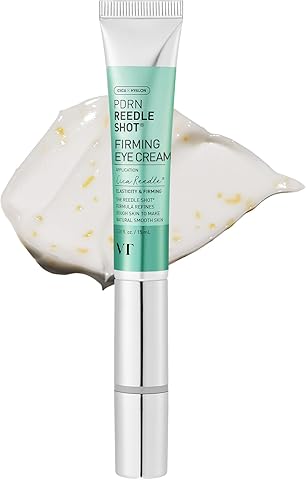
Phyto Exosome PDRN Lifting Shot Eye Cream
Medi-Peel
Specialized eye treatment with phyto exosomes, PDRN, and lifting peptides for under-eye firming.
$30–40

PDRN Intensive Cream 1.5 Tube
Abib
Deep hydration with 1.5% salmon DNA PDRN, ceramides, panthenol, and peptides for barrier reinforcement.
$35–45
Related Posts
The Best PDRN Skincare Routine for Your 50s: Age-Defying Results
By your 50s, cumulative collagen loss exceeds 30%, postmenopausal hormonal shifts have thinned the dermis dramatically, and fibroblasts respond sluggishly to growth signals. A PDRN routine for this decade must be the most strategic yet — combining richer delivery formats, precise retinoid alternation, and professional treatments to rebuild dermal density where prevention is no longer the goal.
PDRN for Mature Skin Over 50: Rebuilding Collagen at Any Age
After 50, collagen production slows dramatically — but PDRN can restart the process. Learn how PDRN addresses the specific challenges of mature skin, from deep wrinkles to loss of firmness.
PDRN for Wrinkles: How DNA Fragments Rebuild Aging Skin
Wrinkles form when collagen breaks down faster than your skin can replace it. PDRN reverses this imbalance by activating your skin's own regenerative machinery — stimulating fibroblasts, building new collagen, and restoring dermal thickness. Here is how it works and what results to expect.