 PDRN Care
PDRN for Eyebrow and Eyelash Growth: What It Can and Can't Do
Dr. Min-ji Park
MD, Dermatology
Why Brows and Lashes Thin in the First Place
Eyebrows and eyelashes are hair, and hair thins for many reasons: years of plucking, threading, and tinting that traumatize the follicle; age-related slowing of the growth cycle; thyroid issues and nutritional gaps; the aftermath of harsh lash extensions or serums; and simple genetics. Because the follicles sit in thin, delicate skin around the eyes, they are also unusually easy to irritate — which is exactly why any product used here needs both plausibility and a strong safety profile.
PDRN (polydeoxyribonucleotide) has entered this conversation on the strength of its regenerative reputation. It is worth being precise about what that reputation does and does not promise for hair, because the honest answer is more nuanced than the marketing.
What PDRN Does That's Relevant to Follicles
PDRN's core actions are regenerative and circulatory. It activates the adenosine A2A receptor, stimulating fibroblast proliferation and improving local microcirculation — bringing more blood, oxygen, and nutrients to the tissue . It supplies nucleotide building blocks for cellular repair and calms inflammation by suppressing cytokines such as TNF-alpha and IL-6 . Each of these touches something that matters for a healthy follicle.
The most directly relevant evidence comes from work on the dermal papilla — the cluster of cells at the base of a hair follicle that governs the growth cycle. A laboratory study found that PDRN supported the proliferation of hair follicle dermal papilla cells . That is a genuinely encouraging mechanistic signal: a healthier, better-nourished follicle environment is a plausible route to fuller-looking hair, and it is the same rationale behind PDRN's growing use for scalp hair.
The Honest Limits of the Evidence
Here is the part the marketing tends to skip. The follicle research is largely preclinical — cell and laboratory studies, not robust clinical trials showing measurable eyebrow or eyelash regrowth in people. PDRN is not a prostaglandin analogue, the drug class (like bimatoprost) that has actually been proven to lengthen and thicken lashes. It does not work by extending the growth phase the way those medications do.
So the realistic framing is this: PDRN supports the health and environment of the follicle — circulation, repair, reduced inflammation — which may help existing hairs grow in a healthier, less-stressed setting and can support recovery after follicle trauma. It is not a guaranteed regrowth treatment, and anyone promising dramatic lash lengthening from PDRN alone is overselling it. Set the expectation at "supportive and restorative," not "transformative."
Using PDRN Safely Around the Eyes
The eye area demands caution regardless of ingredient. The skin is thin, the eyes themselves are sensitive, and products can migrate. A few principles:
- Use a formulation intended for the face or eye area — a gentle, water-based PDRN serum or a PDRN eye product — rather than trying to apply an unsuitable product to the lash line.
- Keep it off the waterline and out of the eye. For brows, you can apply serum directly with clean fingertips or a spoolie. For the lash area, apply only to the skin along the upper lash base, never inside the eye, and use the smallest amount.
- Patch test first, and introduce it slowly. The eye area flags irritation faster than anywhere else.
- Be consistent and patient. Hair cycles are measured in months. Any follicle-supporting effect will be gradual; judge results over 12 to 16 weeks, not days.
PDRN's exceptional gentleness and anti-inflammatory profile are real advantages here — it is far less likely to sting or sensitize delicate eye-area skin than many actives, which is part of why it is an appealing option for people whose brows and lashes are thin precisely because the area is easily irritated .
A Sensible Combined Approach
If your goal is fuller brows and lashes, the smartest use of PDRN is as a supportive base rather than a standalone miracle. Address the fundamentals first: stop over-plucking, be gentle removing eye makeup and lash extensions, and rule out medical causes like thyroid dysfunction or nutritional deficiency if thinning is sudden or dramatic. Then layer PDRN in for its follicle-environment and repair benefits.
Some people reasonably pair PDRN with a proven lash growth serum (a prostaglandin analogue), using PDRN for its soothing, barrier-supporting, circulation-boosting role and the medication for the actual growth-phase extension. If you go this route, introduce one product at a time, watch closely for irritation given the sensitivity of the area, and consult a professional — prostaglandin analogues have their own side-effect profile. PDRN can also be a good post-procedure companion if you have had any follicle-targeting treatment, given its recovery-supporting action.
The Takeaway
PDRN is a plausible, gentle supporter of eyebrow and eyelash health rather than a proven regrowth drug. Its improvements to microcirculation, its nucleotide-driven repair, its anti-inflammatory action, and preclinical evidence that it supports dermal papilla cells all point to a healthier follicle environment — which can help existing hairs and aid recovery after follicle trauma. What it will not do is match the lash-lengthening effect of prostaglandin medications, and the clinical evidence for brow and lash regrowth specifically remains thin. Use a face- or eye-appropriate PDRN formula with great care around the eyes, keep expectations realistic and patient, and treat it as the restorative foundation of a fuller-brow plan, not the whole plan.
Frequently Asked Questions
Can PDRN actually regrow my eyebrows and eyelashes?
PDRN can support the health of the follicle environment, but calling it a proven regrowth treatment overstates the evidence. It improves microcirculation, supplies repair materials, and calms inflammation, and preclinical work shows it can support hair follicle dermal papilla cells — the cells that govern the growth cycle . Those are encouraging signals that it may help existing hairs grow in a healthier setting and aid recovery after plucking or extension trauma. But robust clinical trials showing measurable brow or lash regrowth in people are lacking, and PDRN does not lengthen lashes the way prostaglandin medications do. Expect supportive, gradual benefit, not dramatic regrowth.
Is PDRN safe to use near my eyes?
PDRN is one of the gentler regenerative actives, which is a real advantage in the delicate eye area, but you still need to use it carefully. Choose a formulation made for the face or eye area rather than an unsuitable product, keep it off the waterline and out of the eye itself, apply the smallest amount to the skin along the brow or upper lash base, and patch test before regular use. The eye area shows irritation quickly, so introduce it slowly and stop if you notice stinging, redness, or watering. Used sensibly, PDRN's soothing, anti-inflammatory profile makes it well tolerated here .
How long until I see results on brows or lashes?
Think in months, not days. Hair grows in cycles, and any follicle-supporting effect from PDRN is gradual by nature — it works by improving the environment around the follicle rather than forcing rapid growth. Give it a consistent 12 to 16 weeks before judging, applying regularly and gently the whole time. If you see no change at all after several months, PDRN alone may not be enough for your situation, and it is worth seeing a professional to rule out medical causes of thinning and discuss proven options.
Should I combine PDRN with a lash growth serum?
You can, and some people do so deliberately: PDRN provides the soothing, circulation-boosting, barrier-supporting role while a proven prostaglandin-analogue lash serum does the actual growth-phase extension that PDRN cannot. If you combine them, introduce one product at a time so you can tell what your skin is reacting to, watch the sensitive eye area closely, and ideally consult a professional first — prostaglandin analogues have their own side effects, such as irritation and, rarely, changes in iris pigmentation. PDRN is also a sensible companion after any follicle-targeting procedure because of its recovery-supporting action.
References
- [1]Squadrito F, Bitto A, Irrera N, Pizzino G, Pallio G, Minutoli L, Altavilla D. Pharmacological Activity and Clinical Use of PDRN. Current Pharmaceutical Design. 2017;23(27):3948-3957. doi:10.2174/1381612823666170516153716
- [2]Colangelo MT, Galli C, Guizzardi S. Polydeoxyribonucleotide: A Promising Biological Platform for Dermal Regeneration. Current Pharmaceutical Design. 2020;26(17):2049-2056. doi:10.2174/1381612826666200113091156
- [3]Kim TH, Kim JH, Lee SH, Park ES. Biostimulatory effects of polydeoxyribonucleotide for facial skin rejuvenation. Journal of Cosmetic Dermatology. 2019;18(6):1767-1773. doi:10.1111/jocd.12958
- [4]Kang JI, Choi YK, Koh YS, Hyun JW, Kang JH, Lee KS, Lee CM, Yoo ES, Kang HK. Vanillic Acid and PDRN in Hair Follicle Dermal Papilla Cell Proliferation. International Journal of Molecular Sciences. 2020;21(15):5556. doi:10.3390/ijms21155556
- [5]Bitto A, Polito F, Irrera N, D'Ascola A, Avenoso A, Nastasi G, Campo GM, Micali A, Squadrito F, Altavilla D. Polydeoxyribonucleotide reduces cytokine production and the severity of collagen-induced arthritis by stimulation of adenosine A2A receptor. Arthritis Research & Therapy. 2011;13(1):R28. doi:10.1186/ar3258
Recommended Products

DIVE-IN Low Molecular PDRN Serum
Torriden
Lightweight hydrating PDRN serum built around Torriden's signature 5D low-molecular hyaluronic acid complex for deep, layered hydration.
$22–30

Revive PDRN Serum
Beauty of Joseon
A traditional-medicine inspired PDRN serum from Beauty of Joseon, blending salmon PDRN with rice extract and ginseng for resilient, glowing skin.
$19–25
PDRN Calming Serum
Isntree
Gentle, fast-absorbing PDRN serum formulated with centella and green tea to calm reactive skin while promoting cellular repair.
$25–35
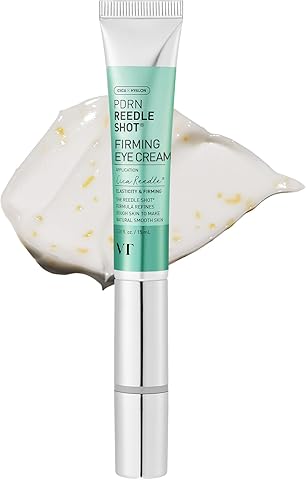
Phyto Exosome PDRN Lifting Shot Eye Cream
Medi-Peel
Specialized eye treatment with phyto exosomes, PDRN, and lifting peptides for under-eye firming.
$30–40
Related Posts
PDRN for Hair Growth: What the Science Says
PDRN is gaining attention as a treatment for hair loss and thinning hair. Discover how salmon DNA stimulates hair follicles through the A2A receptor, what the clinical studies show, and available treatments.
PDRN for Scalp Health and Hair Growth
PDRN is gaining scientific attention for its potential to support scalp health and hair follicle regeneration. Explore the biological mechanisms, clinical evidence, and practical differences between topical and injectable PDRN for hair.
PDRN for Eye Wrinkles: Crow's Feet, Under-Eye Lines, and Periorbital Rejuvenation
The eye area ages faster than any other part of the face due to thinner skin, constant muscle movement, and minimal oil glands. Learn how PDRN rebuilds periorbital collagen, smooths crow's feet, and restores firmness — plus the best application methods and product formats for the delicate eye zone.