 PDRN Care
PDRN and PHA: Gentle Exfoliation Meets Deep Regeneration
PDRN and PHA (polyhydroxy acids) form an exceptionally well-tolerated combination that pairs gentle surface exfoliation with deep dermal regeneration. PHAs — including gluconolactone, lactobionic acid, and galactose — are the newest generation of hydroxy acids, distinguished by their large molecular size that limits penetration to the outermost epidermal layers. This larger structure means PHAs exfoliate without the stinging, dryness, and photosensitivity associated with AHAs like glycolic acid, making them the ideal acid partner for PDRN's regenerative activity.
Quick Comparison
| Property | PDRN | PHA |
|---|---|---|
| Source | Salmon DNA fragments | Various sources |
| Primary Mechanism | A2A receptor activation, DNA repair | Varies by ingredient |
| Key Benefits | Tissue regeneration, anti-inflammation, collagen boost | Multiple skin benefits |
| Best Time to Apply | AM or PM | AM or PM |
| Can Combine? | Generally compatible — check specific guidelines. | |
How to Use Together
For evening use, cleanse thoroughly, then apply PHA toner or serum to dry skin — most PHA products are designed as leave-on treatments rather than rinse-offs. Wait 1-2 minutes for the PHA to begin its exfoliating action, then apply PDRN serum over the top. The PHA layer will have already begun loosening dead cells and improving permeability, allowing PDRN to penetrate more effectively. Follow with moisturizer to seal in both actives. Start by using PHA 2-3 nights per week with PDRN, and increase to nightly use as tolerated. On non-PHA nights, apply PDRN serum directly after cleansing. In the morning, use PDRN serum without PHA (save acid exfoliation for evenings) followed by moisturizer and SPF. If using a PHA cleanser rather than a leave-on product, follow immediately with PDRN serum on damp skin for optimal absorption.
Safety Notes
PHAs are the gentlest class of hydroxy acids and PDRN has inherent anti-inflammatory properties, making this combination suitable for virtually all skin types including very sensitive, rosacea-prone, and eczema-prone skin. PHAs cause significantly less photosensitivity than AHAs, though a broad-spectrum sunscreen should still be used during the day as standard practice. Start with a low PHA concentration (3-4%) if you have never used chemical exfoliants before, and gradually increase frequency. Apply PDRN serum after the PHA to take advantage of enhanced penetration. Avoid combining PHA with other acids (AHA, BHA) in the same routine when also using PDRN — while not dangerous, stacking multiple exfoliants is unnecessary and can increase sensitivity. Those on prescription retinoids should introduce PHA slowly and on alternate nights. Pregnant or breastfeeding individuals should consult their physician, though PHAs are generally considered safe topically during pregnancy.
Recommended Products (3)
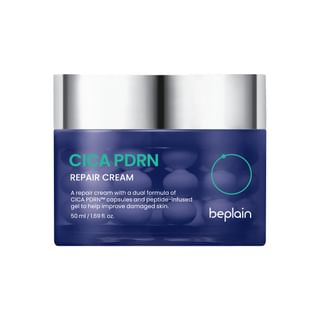
Cica PDRN Repair Cream
beplain
Minimalist cica cream with PDRN for sensitive skin repair, redness relief, and barrier restoration.
$20–28

5 PDRN Collagen Intense Vitalizing Serum
COSRX
Multi-PDRN formula with 5 types of PDRN from salmon, centella, rice, lactobacillus, and sea grapes plus low-molecular collagen.
$30–40
PDRN Calming Serum
Isntree
Gentle, fast-absorbing PDRN serum formulated with centella and green tea to calm reactive skin while promoting cellular repair.
$25–35
The synergy between these two ingredients operates on a clear mechanistic basis. PHAs gently dissolve the bonds between dead corneocytes on the skin surface, promoting cellular turnover and improving the penetration of subsequent actives. PDRN, applied after PHA treatment, can more effectively reach the dermis when the surface layer of dead cells has been thinned. Once there, PDRN activates adenosine A2A receptors on fibroblasts, stimulating collagen production, elastin synthesis, and cellular proliferation. The net effect is smoother, brighter skin from the PHA exfoliation combined with stronger, more resilient skin from PDRN's structural rebuilding.
Unlike AHAs and BHAs, PHAs also function as humectants — their multiple hydroxyl groups attract and bind water molecules, providing hydrating effects during exfoliation rather than the typical drying associated with acids. This humectant property complements PDRN's hydration-boosting effects (PDRN increases glycosaminoglycan production including hyaluronic acid), creating a combination that exfoliates while simultaneously increasing skin moisture levels. For patients who have previously been unable to tolerate acids due to sensitive or rosacea-prone skin, the PHA-PDRN pairing offers the benefits of chemical exfoliation without the inflammatory trade-off.
Lactobionic acid, one of the most studied PHAs, also provides antioxidant benefits and has been shown to inhibit matrix metalloproteinases (MMPs) — the enzymes responsible for collagen breakdown. This MMP-inhibiting activity directly supports PDRN's collagen-building work: while PDRN stimulates new collagen production, lactobionic acid helps protect existing and newly formed collagen from enzymatic degradation. This dual mechanism of increased synthesis plus decreased breakdown accelerates visible improvements in skin firmness and fine line reduction.
Clinical applications for the PHA-PDRN combination include anti-aging routines for sensitive skin, post-procedure maintenance (where traditional acids would be too aggressive), rosacea management (gentle resurfacing without trigger), and pre-retinol preparation (improving tolerance before introducing stronger actives).
Frequently Asked Questions
Can I use PHA and PDRN together if I have rosacea?
How is PHA different from AHA and BHA when paired with PDRN?
What is the best time to use PHA with PDRN?
How long before I see results from the PHA-PDRN combination?
Sources
- Grimes PE, Green BA, Wildnauer RH, Edison BL. “Evaluation of Inherent Differences Between PHA and AHA When Applied to Human Skin.” Journal of Cosmetic Dermatology 3(1): 10-17 (2004). doi:10.1111/j.1473-2130.2004.00094.x
- Squadrito F, Bitto A, Irrera N, Pizzino G, Pallio G, Minutoli L, Altavilla D. “Pharmacological Activity and Clinical Use of PDRN.” Current Pharmaceutical Design 23(27): 3948-3957 (2017). doi:10.2174/1381612823666170516153716
Other PDRN Ingredient Combinations
PDRN and Adenosine
PDRN and adenosine share something that very few skincare ingredient pairings can claim — they conve…
PDRN and Allantoin
Allantoin is a naturally occurring compound originally derived from the comfrey plant (Symphytum off…
PDRN and Aloe Vera
PDRN and aloe vera create a powerfully soothing and restorative combination that excels in calming i…
PDRN and Alpha Arbutin
PDRN and alpha arbutin are an excellent combination for anyone seeking brighter, more even-toned ski…
PDRN and Alpha-Lipoic Acid
PDRN and alpha-lipoic acid (ALA) pair cellular regeneration with a uniquely versatile antioxidant, m…
PDRN and Amino Acids
PDRN and amino acids together provide the complete set of molecular building blocks required for ski…
PDRN and Argan Oil
PDRN and argan oil form a synergistic pairing that addresses skin regeneration and lipid barrier rep…
PDRN and Argireline
PDRN and Argireline pair long-term skin regeneration with a fast-acting, expression-line-relaxing pe…
PDRN and Arnica
PDRN and arnica have become a go-to combination in aesthetic medicine for post-procedure recovery, e…
PDRN and Astaxanthin
PDRN and astaxanthin represent one of the most scientifically compelling pairings in regenerative sk…
PDRN and Azelaic Acid
PDRN and azelaic acid is a powerful combination for anyone dealing with rosacea, post-inflammatory h…
PDRN and Bakuchiol
PDRN and bakuchiol is an increasingly popular ingredient combination that pairs the regenerative pow…
PDRN and Bee Venom
PDRN and bee venom pair cellular regeneration with one of Korean skincare's most distinctive stimula…
PDRN and Beta-Glucan
PDRN and beta-glucan form a compelling synergy rooted in their shared ability to modulate immune res…
PDRN and Bifida Ferment Lysate
PDRN and Bifida ferment lysate represent a sophisticated approach to skin aging that combines direct…
PDRN and Birch Juice
PDRN and birch juice (birch sap) pair cellular regeneration with one of Korean skincare's favorite h…
PDRN and Bisabolol
PDRN and bisabolol is one of the gentlest, most synergistic pairings in skincare — a combination bui…
PDRN and Caffeine
Caffeine and PDRN are increasingly paired in Korean skincare, particularly in eye care products, for…
PDRN and Calendula Extract
PDRN and calendula extract represent the gold-standard combination for sensitive skin regeneration —…
PDRN and Camellia Oil
PDRN and camellia oil pair deep regeneration with one of the most elegant, lightweight nourishing oi…
PDRN and Carnosine
PDRN and carnosine make a thoughtful anti-ageing pairing that combines active tissue regeneration wi…
PDRN and Centella Asiatica
PDRN and Centella Asiatica are two of the most celebrated regenerative ingredients in Korean skincar…
PDRN and Ceramides
PDRN and ceramides represent one of the most scientifically logical skincare combinations available,…
PDRN and Chamomile
Chamomile (Matricaria chamomilla) and PDRN form one of the most gentle yet effective combinations in…
PDRN and Chlorella
PDRN and chlorella extract represent a sophisticated pairing that leverages dual growth factor pathw…
PDRN and Cholesterol
PDRN and cholesterol pair cellular regeneration with one of the skin's own essential barrier lipids.…
PDRN and Cica
PDRN and cica (Centella asiatica) is one of the most harmonious and universally gentle ingredient co…
PDRN and Clay
PDRN and clay pair deep regeneration with one of skincare's oldest oil-absorbing, purifying ingredie…
PDRN and Coenzyme Q10
Coenzyme Q10 (ubiquinone) and PDRN represent one of the most scientifically compelling anti-aging co…
PDRN and Collagen
PDRN and collagen address skin aging from two fundamentally different but synergistic angles, making…
PDRN and Colostrum
PDRN and colostrum form a potent regenerative combination that delivers both the cellular building b…
PDRN and Copper Peptides
PDRN and copper peptides represent one of the most scientifically compelling pairings in regenerativ…
PDRN and Cucumber Extract
PDRN and cucumber extract pair deep regeneration with one of skincare's most classic soothing, hydra…
PDRN and Ectoin
Ectoin is a natural extremolyte — a small cyclic amino acid derivative originally discovered in extr…
PDRN and Edelweiss
PDRN and edelweiss extract pair deep regeneration with a hardy alpine antioxidant, giving you a rout…
PDRN and EGF
PDRN and EGF (Epidermal Growth Factor) represent a powerful pairing of two distinct regenerative pat…
PDRN and Elastin
PDRN and elastin is a firmness-focused pairing that targets the skin's resilience — its ability to s…
PDRN and Ergothioneine
PDRN and ergothioneine represent a next-generation pairing of cellular regeneration with one of the …
PDRN and Exosomes
PDRN and exosomes represent the cutting edge of regenerative skincare, and combining them is one of …
PDRN and Ferulic Acid
PDRN and ferulic acid combine to create a powerful antioxidant-regenerative duo that addresses both …
PDRN and Fisetin
PDRN and fisetin make a forward-looking anti-ageing pairing that combines active tissue regeneration…
PDRN and Fullerene
PDRN and fullerene combine a powerful antioxidant shield with deep regenerative repair, addressing t…
PDRN and Galactomyces Ferment Filtrate
PDRN and Galactomyces Ferment Filtrate (GFF) create one of the most elegant pairings in modern K-bea…
PDRN and Ginkgo Biloba
PDRN and ginkgo biloba is an antioxidant-forward combination that pairs a circulation-boosting botan…
PDRN and Ginseng
PDRN and ginseng represent a powerful convergence of cutting-edge biotechnology and centuries-old he…
PDRN and Glutathione
PDRN and glutathione form a powerful regenerative-antioxidant pairing that addresses skin aging, pig…
PDRN and Glycerin
PDRN and glycerin form one of the most fundamentally effective pairings in skincare, combining deep …
PDRN and Glycolic Acid
Glycolic acid is the smallest alpha-hydroxy acid (AHA), with a molecular weight of just 76 daltons. …
PDRN and Granactive Retinoid
PDRN and Granactive Retinoid pair deep regeneration with a modern, low-irritation retinoid, and toge…
PDRN and Grapeseed Oil
PDRN and grapeseed oil pair deep regeneration with one of the lightest, most acne-friendly facial oi…
PDRN and Green Tea (EGCG)
Green tea extract owes its remarkable skincare benefits primarily to epigallocatechin gallate (EGCG)…
PDRN and Heartleaf
PDRN and heartleaf make one of the most soothing yet regenerative combinations in Korean skincare, p…
PDRN and Hemp Seed Oil
PDRN and hemp seed oil create a comprehensive skin restoration combination that addresses repair fro…
PDRN and Hexylresorcinol
PDRN and hexylresorcinol pair cellular regeneration with a modern, well-tolerated brightening agent,…
PDRN and Hyaluronic Acid
PDRN and hyaluronic acid (HA) is one of the most natural and effective ingredient combinations in sk…
PDRN and Idebenone
PDRN and idebenone pair cellular regeneration with one of the most potent antioxidants developed for…
PDRN and Jojoba Oil
PDRN and jojoba oil form a uniquely balanced combination that delivers deep cellular regeneration al…
PDRN and Kojic Acid
PDRN and kojic acid form a strategic combination for addressing hyperpigmentation while simultaneous…
PDRN and Lactic Acid
PDRN and lactic acid represent a compelling combination of regenerative and exfoliating skincare, ta…
PDRN and Lactoferrin
PDRN and lactoferrin form a uniquely powerful combination for acne-prone and inflammation-driven ski…
PDRN and Licorice Root
Licorice root (Glycyrrhiza glabra) has been used in traditional medicine for millennia, but its valu…
PDRN and Madecassoside
PDRN and madecassoside represent one of the most scientifically refined combinations for skin repair…
PDRN and Mandelic Acid
PDRN and mandelic acid form a remarkably well-matched combination for addressing textural irregulari…
PDRN and Manuka Honey
PDRN and manuka honey make a soothing, healing-focused pairing that combines active tissue regenerat…
PDRN and Marula Oil
PDRN and marula oil make a nourishing, barrier-sealing combination that pairs PDRN's regenerative re…
PDRN and Matrixyl
PDRN and Matrixyl are two of the most respected collagen-support ingredients in modern skincare, and…
PDRN and MSM
PDRN and MSM make a complementary pairing that combines active tissue regeneration with a sulfur-don…
PDRN and Mugwort
PDRN and mugwort (Artemisia princeps or Artemisia vulgaris) represent a powerful convergence of mode…
PDRN and Niacinamide
PDRN and niacinamide represent one of the most compatible and mutually beneficial ingredient pairing…
PDRN and Oat Extract
PDRN and oat extract form an exceptionally gentle yet effective pairing, combining regenerative biot…
PDRN and Panthenol
Panthenol, also known as provitamin B5 or dexpanthenol, is one of the most well-established and wide…
PDRN and Peptides
PDRN and peptides represent two of the most scientifically grounded approaches to skin regeneration,…
PDRN and Polyglutamic Acid
PDRN and polyglutamic acid (PGA) represent a hydration-forward combination where PGA's extraordinary…
PDRN and Postbiotics
PDRN and postbiotics make a microbiome-friendly, barrier-focused combination that pairs PDRN's regen…
PDRN and Prickly Pear
PDRN and prickly pear seed oil combine deep cellular regeneration with a rare, antioxidant-rich bota…
PDRN and Probiotics
PDRN and probiotics represent a fascinating convergence of regenerative medicine and microbiome scie…
PDRN and Propolis Extract
PDRN and propolis extract form a powerhouse healing combination that merges cellular regeneration wi…
PDRN and Pumpkin Enzyme
PDRN and pumpkin enzyme pair gentle enzymatic exfoliation with deep regeneration, offering a way to …
PDRN and Pycnogenol
PDRN and Pycnogenol pair deep regeneration with one of skincare's most potent antioxidants, and toge…
PDRN and Reishi Mushroom
PDRN and reishi mushroom extract make a soothing, resilience-building pair that combines active cell…
PDRN and Resveratrol
PDRN and resveratrol create a scientifically compelling combination that pairs DNA repair and cellul…
PDRN and Retinal
PDRN and retinal form a powerful anti-aging pairing that combines retinal's potent collagen-stimulat…
PDRN and Retinol
PDRN and retinol are two of the most powerful anti-aging ingredients available, and the question of …
PDRN and Retinyl Palmitate
PDRN and retinyl palmitate pair deep regeneration with one of the gentlest members of the vitamin A …
PDRN and Rice Extract
Rice extract has been a cornerstone of East Asian skincare for centuries — Japanese geisha and Korea…
PDRN and Rosehip Oil
PDRN and rosehip oil combine two potent regenerative ingredients — one working through receptor-medi…
PDRN and Rosemary Extract
PDRN and rosemary extract form a protection-and-regeneration partnership that combines deep cellular…
PDRN and Royal Jelly
PDRN and royal jelly combine nucleotide-based cellular regeneration with one of nature's most nutrie…
PDRN and Saccharide Isomerate
PDRN and saccharide isomerate form one of the most effective hydration-meets-regeneration pairings i…
PDRN and Saccharomyces Ferment
PDRN and Saccharomyces ferment filtrate represent a powerful convergence of two ingredient philosoph…
PDRN and Salicylic Acid
PDRN and salicylic acid (BHA) can be combined effectively, though this pairing benefits from thought…
PDRN and Schisandra
PDRN and schisandra berry extract combine cellular regeneration with adaptogenic antioxidant defence…
PDRN and Sea Buckthorn
PDRN and sea buckthorn oil form a powerful regenerative pairing that combines cellular repair with c…
PDRN and Sea Kelp
PDRN and sea kelp make a nourishing pairing that combines active tissue regeneration with a mineral-…
PDRN and Shea Butter
PDRN and shea butter represent a powerful pairing that bridges the gap between deep cellular regener…
PDRN and Snail Mucin
PDRN and snail mucin (snail secretion filtrate) represent two of K-beauty's most celebrated regenera…
PDRN and Snow Mushroom
PDRN and snow mushroom make a deeply hydrating yet genuinely regenerative pairing, combining PDRN's …
PDRN and Sodium Hyaluronate
PDRN and sodium hyaluronate form the foundational hydration-plus-repair combination in modern Korean…
PDRN and Sodium PCA
PDRN and sodium PCA make a simple, deeply hydrating pairing that combines active skin regeneration w…
PDRN and Soy Extract
PDRN and soy extract combine regenerative tissue repair with phytoestrogen-driven skin rejuvenation,…
PDRN and SPF
PDRN and SPF represent a foundational pairing in any evidence-based skincare routine — not because t…
PDRN and Spirulina
PDRN and spirulina is an antioxidant-and-repair pairing that combines a nutrient-dense marine extrac…
PDRN and Squalane
PDRN and squalane form a highly complementary pairing that leverages squalane's occlusive properties…
PDRN and SYN-AKE
PDRN and SYN-AKE pair deep regeneration with a targeted expression-line peptide, and they make a sur…
PDRN and Tamanu Oil
PDRN and tamanu oil create a potent wound-healing and skin-repair duo that combines modern regenerat…
PDRN and Tea Tree Oil
PDRN and tea tree oil form a practical combination that pairs regenerative skin science with one of …
PDRN and Tocopherol (Vitamin E)
PDRN and tocopherol (vitamin E) create a strategically important combination that pairs active tissu…
PDRN and Tranexamic Acid
PDRN and tranexamic acid is a combination gaining significant traction in dermatology for addressing…
PDRN and Trehalose
PDRN and trehalose make a beautifully simple, low-risk hydration-and-repair pairing, combining deep …
PDRN and Tretinoin
PDRN and tretinoin (prescription-strength retinoic acid) is a powerful but demanding combination tha…
PDRN and Turmeric
PDRN and turmeric (curcumin) combine two of the most potent anti-inflammatory mechanisms available i…
PDRN and Urea
PDRN and urea target complementary layers of skin health, making them an effective pairing for anyon…
PDRN and Vitamin C
PDRN and vitamin C are two cornerstone ingredients in modern skincare, each renowned for distinct bu…
PDRN and Vitamin D
PDRN and vitamin D pair cellular regeneration with a vitamin that plays a quiet but important role i…
PDRN and Vitamin F
PDRN and vitamin F make an intuitive, barrier-focused pairing that combines active cellular regenera…
PDRN and Vitamin K
PDRN and vitamin K is a thoughtful, complementary pairing aimed at two related concerns: under-eye d…
PDRN and Watermelon Extract
PDRN and watermelon extract pair deep regeneration with a lightweight, antioxidant-rich hydrator tha…
PDRN and Willow Bark
PDRN and willow bark pair deep regeneration with a gentle, plant-derived exfoliant. PDRN (polydeoxyr…
PDRN and Witch Hazel
PDRN and witch hazel is a combination that pairs an age-old botanical astringent with a modern regen…
PDRN and Zinc Oxide
PDRN and zinc oxide form a strategically important combination for anyone undergoing skin treatments…
PDRN and Zinc
PDRN and zinc form a potent anti-inflammatory and wound-healing combination that is especially valua…